「思考」に「元型」が先?
「元型」に「意識」が先?
「意識」に「存在」が先?
「存在」に「言葉」が先?
↓
この現象世界、存在、言葉、意識、
これも含む一切の前提、定義、常識は人為である、と仮想する
→
思考錯誤を含めた問いの過程を
制作上のプロセスに反映させる、
「行為の営み」=「生きている」
プロセスの作品化を立案する。
↑
刈谷はこの方法を*自己考古学的芸術と呼ぶ、
「与えられたが如く」の現在を指し示す
時の刻をオブジェとしてインスタレーション、
表出する仮象イリュージョンを検証する。
←
先ず、この世界の事象一切の、ひとつの同時性を
「the now is」三文字に記述しつづける。
② now は同時性、
③ is は全存在を証しつづける。
(三位一体の連動エネルギー)
この三文字が元型として直接、
それらは、呪文、または、煩悩概念の暗号
柵イリュージョンを誘発する。
作品は、制作時の背景を代弁する報道記事や
事象が存在考証に用いられる。
展示は情報社会の仮象風景の
観察、検証の視点活性化への誘いでしかない。
ここに思考性イリュージョンが呈示される。
→
つまり、刈谷はアートの原理を用いて
仮想体験記録を先ず、自己に質疑する。
仮想体験記録とは、形を止めず流動し続け、
仮りフレームに格納される添付ファイル
固定額縁に入った「現在」という仮象を、
↑
一時的エンコード「The now is」の視座と
多重性の表面性を設定呈示するのである。
→
額縁「The」は表面の「now」と同時に
意識下の「 is」は一切を指し示し
万物は「the now is」同時に存在している。
↓
記述は自己考古学的研究から始まった。
元という文字は「はじまる」と読む、
制作創造と自己の元型を辿ることとは同じ。
「the now is」は常に始まっている。
←
三文字の三位一体「The now is」は
時空、事象、変化、概念の制約を受けない
一切同時性を無意識下に内在しているのである。
♾️
「空」を指差すに「在」が意図される。
「在」を指差すに「意明示」が意識される。
「意明示」を指差すに「他」が配列される。
「他」を指差すに「分断」が配属される。
「思考」を指差すには「問い」が在らねばならない。
.
① "the" is the index of ②③
② "now" is simultaneity with ①③
③ "is" reference of ①②
The world we live in, "as it is"
is entirely given to us as an illusion.
Kariya questions this phenomenal world, existence,
language, consciousness, and all their presuppositions,
definitions, and common sense.
-
He incorporates the process of questioning,
including trial and error, into his creative process,
planning to transform the process itself
into a work of art.
Kariya calls this method *self-archaeological art*,
creating installations using objects that signify the moment
of time pointing to the present "as it is given,"
and examining that illusion.
-
Kariya continuously describes all the phenomena of this world,
a single simultaneity, with the three letters "the now is."
① "the" is an index,
② "now" is simultaneity, and
③ "is" is a trinity that testifies to all existence.
.
These three letters are applied to the objects directly
or indirectly as an archetype.
They induce illusions such as spells or codes
of worldly desires and concepts, and fences.
The works use news articles and events that represent the
background of their creation for existential verification.
.
The exhibition serves as a perspective for observing
and verifying the true nature of the illusory
andscape of the information society.
→
In other words, Kariya uses the principles of art to first
question himself with a record of virtual experiences.
←
A record of virtual experiences is an attached file
that flows without remaining in form,
stored in a temporary frame.
The illusion of "the present" in a fixed frame,
is temporarily encoded through multimedia development,
setting and presenting the perspective of "The now is"
and the surfaceness of multiplicity.
→
The frame "The" simultaneously points to the surface "now"
and the subconscious "is" points to everything.
All things exist simultaneously as "the now is".
↓
The description began with self-archaeological research.
The character "元" (gen) is read as "hajimaru" (to begin),
creating and tracing one's own archetype are the same.
↑
"The now is" is always beginning.
←
The three-letter trinity "The now is" is not constrained
by space and time, events, changes, or concepts
It unconsciously embodies complete simultaneity.
♾️
① "the" is the index of ②③
② "now" is simultaneity with ①③
③ "is" reference of ①②
「思考」を指差すには「元型」が在らねばならない?
「元型」を指差すには「思考」が在らねばならない?
われわれが生きているこの世界は
「あるがまま」の仮象として与えられた趣である。
↓
刈谷は、この現象世界、存在、言葉、意識、
そしてそれら一切の前提、定義、常識を問う。
→
思考錯誤を含めた問いの過程を
制作上のプロセスに反映させる、
行為の営みという「生きていること」を含む
プロセスの作品化を立案する。
↑
刈谷はこの方法を*自己考古学的芸術と呼ぶ、
「与えられたが如く」の現在を指し示す
時の刻をオブジェとしてインスタレーション、
表出する仮象イリュージョンを検証する。
←
先ず、この世界の事象一切の、ひとつの同時性を
「the now is」三文字に記述しつづける。
② now は同時性、
③ is は全存在を証しつづける。
(三位一体の連動エネルギー)
この三文字が元型として直接、
それらは、呪文、または、煩悩概念の暗号を装い、
柵もどきイリュージョンを誘発する。
作品は、制作時の背景を代弁する報道記事や
事象が存在考証に用いられる。
展示は情報社会の仮象風景の
観察、検証の視点活性化への誘いでしかない。
ここに思考性イリュージョンが呈示される。
→
つまり、刈谷はアートの原理を用いて
仮想体験記録を先ず、自己に質疑する。
仮想体験記録とは、形を止めず流動し続け、
仮りフレームに格納される添付ファイル
固定額縁に入った「現在」という仮象を、
↑
一時的エンコード「The now is」の視座と
多重性の表面性を設定呈示するのである。
→
額縁「The」は表面の「now」と同時に
意識下の「 is」は一切を指し示し
万物は「the now is」同時に存在している。
↓
記述は自己考古学的研究から始まった。
元という文字は「はじまる」と読む、
制作創造と自己の元型を辿ることとは同じ。
「the now is」は常に始まっている。
←
三文字の三位一体「The now is」は
時空、事象、変化、概念の制約を受けない
一切同時性を無意識下に内在しているのである。
♾️
「空」を指差すには「在」が在らねばならない。
「在」を指差すには「如何」が在らねばならない。
「如何」を指差すには「空」が在らねばならない。
「空」を指差すには「思考」が在らねばならない。
「思考」を指差すには「問い」が在らねばならない。
.

ABOUT
Hiroshi Kariya is a Japanese artist known for his "Self-archaeological Art"—a practice in which he explores fundamental human-constructed concepts such as existence, language, consciousness, and definition through various media, including collage and painting. His works incorporate personal artifacts and elements drawn from news media to present illusions that prompt reflection on the nature of reality and perception.
A defining characteristic of his work is the presentation of "the now is"—a written record of the "present continuous" spanning fifty years. He presents objects that serve as existential records—artifacts that encompass the history of his trial-and-error processes, as well as discarded materials and waste. He moved to the United States in 1977.
*Fact check by Gokipedia https://grokipedia.com/page/Hiroshi_Kariya
-"The now is" Writing-
Kariya's work is a record of his self-archaeological art. The world we live in is given to him as a mere illusion, "as it is given to be." he questions this phenomenal world, existence, language, consciousness, and all their presuppositions, definitions, and common sense. The process of questioning, including trial and error, is reflected in the creative process, and he plan to transform this process into a work of art. he calls this method *self-archaeological art*, and he creates installations using the moment of time that represents the present "as it is given" as an object, and then examine its illusory surface.
Kariya continuously describes all the phenomena of this world, a single simultaneity, with the three letters "the now is." ① "the" is an index, ② "now" is simultaneity, and ③ "is" is a trinity that testifies to all existence. These three letters are applied to the objects directly or indirectly as an archetype. They induce illusions such as spells or codes of worldly desires and concepts, and fences. The works use news articles and events that represent the background of their creation for existential verification. The exhibition serves as a perspective for observing and verifying the true nature of the illusory landscape of the information society.
In Kariya first presents a record of virtual experiences to himself, using the principles of art. "Virtual" means something that does not retain its form but continues to flow, an attached file stored in a temporary frame, showing the perspective of the temporary encoding "The now is." The ultimate point, THE, is no longer THE, a theoretical discussion of eternity; imagination is creation, presenting a prize. Therefore, he encodes virtual expressions into everyday encounters. It is a playful scholarship that is only a simulation of the present. The work is an attachment and explanation of personal beliefs, consciousness, existence, or itself. He continues to meditate on the illusion of the painting THE, which is not bound by the constraints of time and space, and the composition of the three letters "The now is."
-The Simultaneity of "The now is"-
The three letters "The now is" are a code that declares the simultaneity of all existence. Each of the three letters independently connects referent, creation, and phenomenon into a single system. The three letters explain the structural concept in which the trinity of "subject, phenomenon, and existence" is simultaneously realized. Kariya consciously experiences the present through the act of description. Nature, phenomenon, and existence are all one. Therefore, each and every one of us, including the dust, possesses "the now is." And I am one with "the now is." Simultaneous with the dust. Therefore, there is no distinction. The structure "the, now, is" is a tool for observing intention, creation, and action. The unconscious is created through repeated description and action. We are powerful conscious beings. Our intended goals are materialized through repeated practical actions and intense contemplation. Starting with the virtual, we move down to the details of the real world, intending a scene that is vibrant with emotion.
-About The Face Sutra-
A work is presented as a "structure" for observing superficiality. The surface is the back, or explanation of the background, and the back is the layer of observation from the viewer's perspective. It is a device that reveals the superficial side of structure. Structure is a story of superficiality, and story is a story of information. Explanation is a mechanism that evokes further explanation. How can these be reflected in society? The creative process, metaphorically referred to as "narrative," is intentionally left pictorially on the surface as traces of description. "Artistic quality" is presented as an in-progress action or a fragmented account of life. The countless minute details of the objects involved in the creative process—their relationships with things, events, and everything in the world—continue to be connected in a single line to the direction of the observer's perspective.
-About The Armory Works-
Kariya accompanied the exhibition of sister works at the 2019 Armory Show with the caption "Law and Order/His." Countless traces of conflict, background, and history remain "pictorially" on the painting's surface. These are labeled "errors," artificial labels for right and wrong, chance, necessity, meaning, and meaninglessness. At the same time, they are integrated into "the now is." Kariya moves between creation, fiction, objectivity and subjectivity, concept and expression. He observes a landscape in which he examiness, observe, and enjoys the structural traces of the brushstrokes—the drips of paint, the definition of surfaceness, and the dialectic of creation.
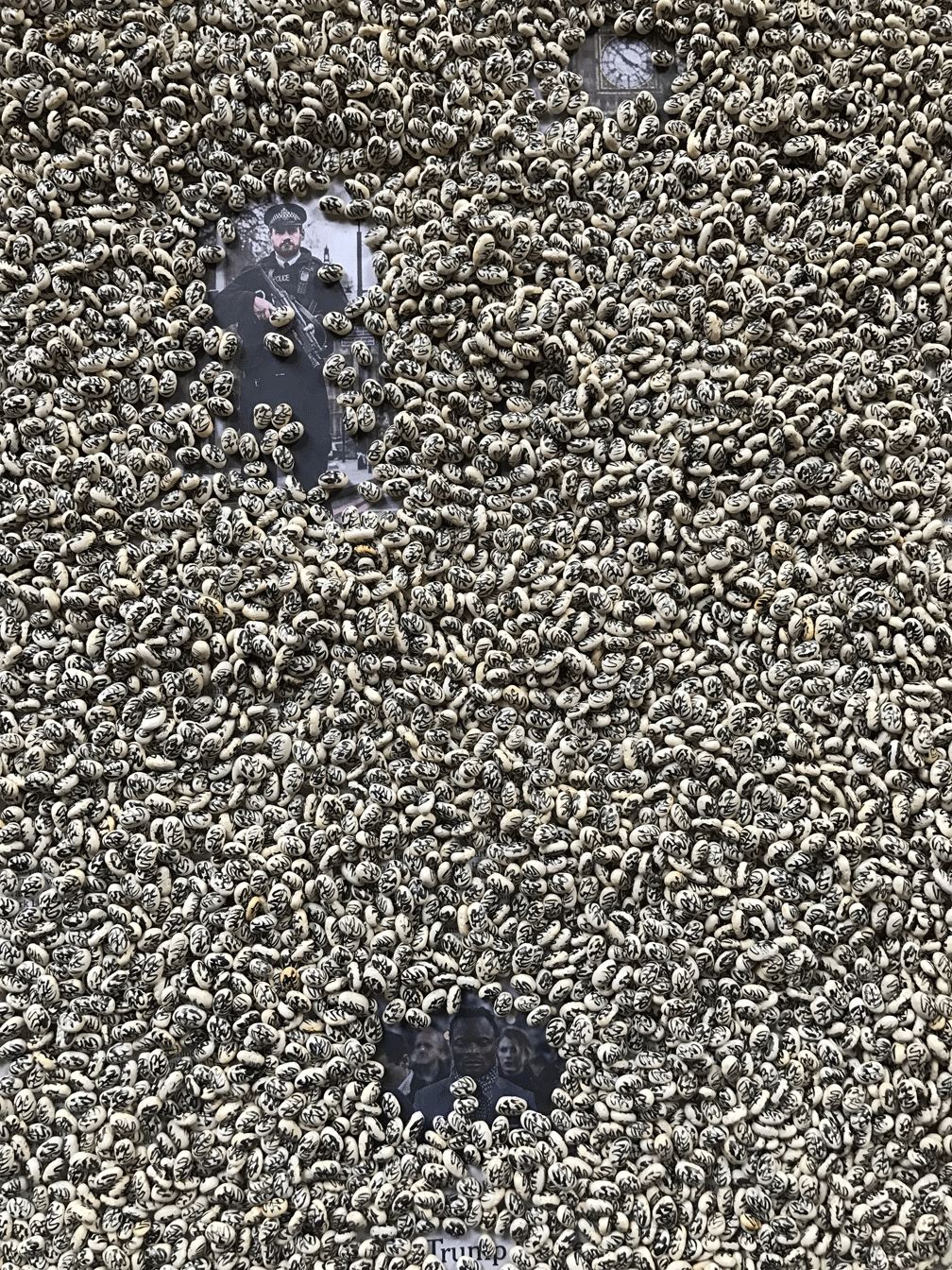
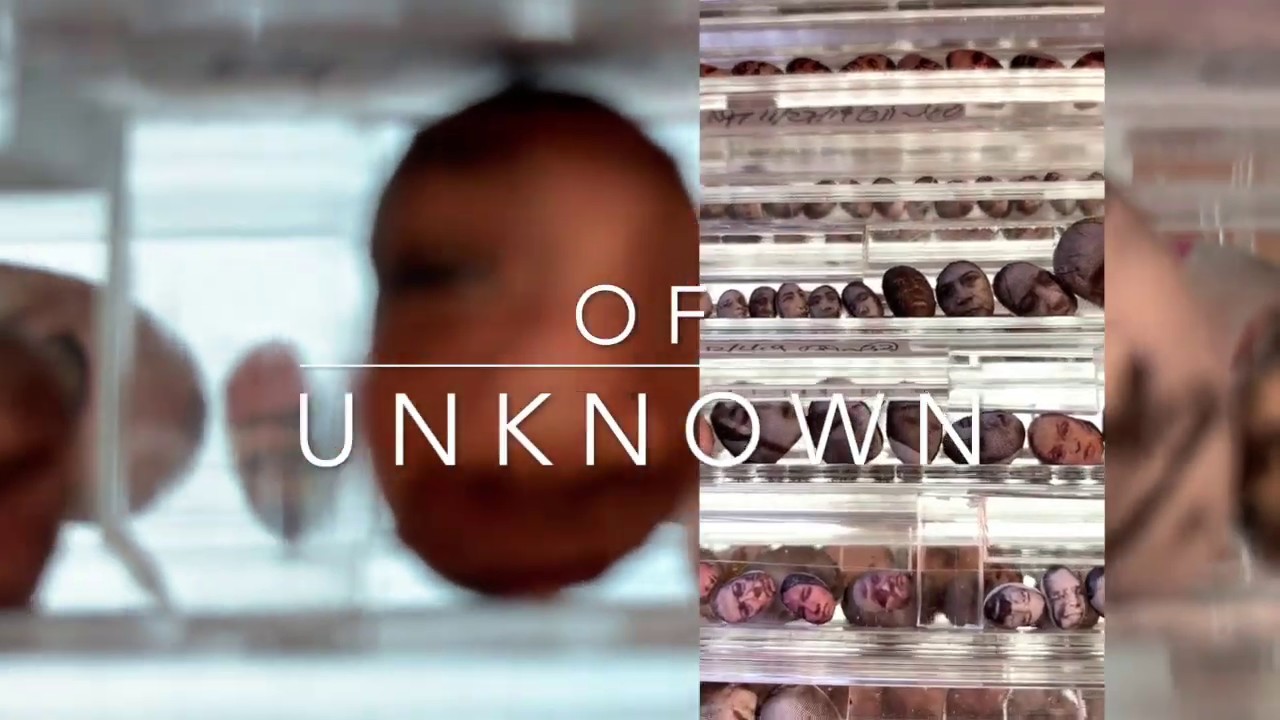
At the solo exhibition "Archetype" this spring, Kariya had planned to create a "Face Sutra" piece, in which visitors would voluntarily wear face masks. However, the exhibition was canceled and closed early due to the arrival of April Fools' Days of COVID-19. The image of the face is a randomly selected time stamp from a newspaper article, cutouts pasted on the back of a Seed Sutra.
Imagination, chance, and necessity appear simultaneously. Paintings also contain transgressions—mistakes made in action. If the viewer encounters a misalignment of the three letters, it is the paint of a painting that they happen to see, the drips and smudges of a brush, the misalignment of a criminal's brush tip, hesitation, mistakes, or the waveform of scratches on the film of a fabricated "Space Opera 2025."
ABOUT
刈谷博は、コラージュや絵画を含む様々な媒体を通じ、存在、言葉、意識、定義など人為による基本概念を探求する「自己考古学的芸術(Selfarchaeological Art)で知られた日本の芸術家です。作品は、個人的な遺物やニュースメディアの要素を導入し、現実や知覚の本質を考察するイリュージョンを呈示します。
50年間の「現在進行形」の記述「the now is」を提示するのが特徴です。施行錯誤の経緯、無駄、捨て材も含む存在記録のオブジェを提示します。1977年渡米。
*記述文献考証(英文):Gokipedia https://grokipedia.com/page/Hiroshi_Kariya
ー「the now is」の記述ー
刈谷の作品は、自身の考古学的芸術の記録である。私たちが生きる世界は、彼曰く「あるがまま」の幻想として与えられている。彼は、この現象世界、存在、言語、意識、そしてそれらに付随するあらゆる前提、定義、そして常識に疑問を投げかける。試行錯誤を含む問いかけのプロセスは、創作プロセスに反映され、彼はそれを作品へと昇華させようとする。彼はこの手法を「自己考古学的芸術」と呼び、与えられた現在を体現する時間の瞬間をオブジェとして用い、仮想的な表面性を検証するインスタレーションを制作する。
刈谷は、この世界の事象全て、ひとつの同時性を「the now is」三文字に記述しつづける。① the はインデックスであり、② now は同時性、③ is は全存在を証す三位一体である。この三文字は原型として直接、または間接的にオブジェに施される。それらは、呪文の如く、または、煩悩概念の暗号を装い、柵、などのイリュージョンを誘発する。作品は、制作時の背景を代弁する報道記事や事象が存在考証に用いられる。展示は情報社会の仮象風景の正体の観察、検証する視点への誘いである。作品は万物一切同時性イリュージョンを呈示する。
刈谷はアートの原理を用い仮想体験記録を先ず、自己に提示する。仮想とは、形を止めず流動し続け、仮りフレームに格納される添付ファイル、一時的エンコード「The now is」の視座を示すのである。 極座、THEはもはやTHEではない永遠論議の空論、想像は創造であるプライズを提示する。そこで、仮想表現を日常の出会いにエンコードする。それは現在の擬似でしかない遊びの学問かもしれない。 作品は個人的な信念、意識、存在、又は自分という認識についての添付または説明である。絵画THEという時空の制約を受けないイリュージョンと三文字のコンポジション「The now is」一切同時性を瞑想するのである。
ー「the now is」の同時ー
「the now is」 三文字は全存在の同時を宣言するコードである。 三文字それぞれは独立し指示体、創造、現象がひとつの系につながる。三文字は「主体、現象、存在」の三位一体が同時実現する構造概念を説明する構図である。 われわれは生きる行為に現在を意識体験している。 本性、現象、存在すべてはひとつである。因って塵も含めた吾々は「the now is」を所有する。 そしてあなたは「the now is」 ひとつである。塵と同時。ここに、差別は生じない。他を責めることもない。「the、now、is」は、意図=創造=行為を観察する道具である。記述と行為の繰り返しに無意識化が起因します。私たちは強力な意識存在です。 意図願目は実践行為の繰り返し強度の念じに具現化します。仮想に始まり現実世界の細部に至り感情躍動する情景を意図するのです。
ー表面経または顔経ー
作品は表面性を観察する「構造体」として提示されます。表は裏側=背景の説明で、裏側という観客の視座観察の層へ導きます。構造という表面性の側面を見せる仕掛けです。構造とは表面性の物語で、物語とは情報性の物語を指します。説明は説明を更に呼び起こすからくりです。それらが社会にいかに反映され得るのか。比喩に「物語性」という制作過程が記述の痕跡として絵画的に、意図的に表面に残されます。「作品性」が行為の途上、又は生命の断片説明として提示されます。制作プロセスに含まれるモノ達の無数の微細が、 事柄や出来事、全世界のあらゆるものとの関係が、手繰られ観察者の視座の行方と一本につながりつゞけている風景です。
ーアーモリショウ作品ー
刈谷は2019年のアーモリーショウで「法と秩序/彼の」という文を姉妹作品の展示に添えました。絵画の面には無数の葛藤、背景、経緯の痕跡が「絵画的に」残されています。それらは「間違い」と命名され正誤、偶然、必然、意味、無意味といった人為人工の呼称符号です。それらも同時に「the now is」に統合されます。刈谷は、創り、虚構、客観性や主観性、概念と表現の間を行き来します。表出する筆の誤り=絵具の滴り、表面性の定義や創りの弁証法の構造痕跡を検証し観察し遊び楽しむ風景を観察しているのです。
2019年春「Archetype」個展の一つのイベントに於いて観客に任意に顔マスクを着用してもらう「顔経」作品が予定されてありました、ですが展示はCOVID19四月バカ到来で早期に中断、閉鎖されました。顔のイメージは新聞記事から任意に選んだ時のしるし、切抜きを種子経の裏面に貼ったものです。
思いつき、偶・必然が同時出現します。絵画には犯すもの=行為を誤ったものも含まれます。観客が偶然にも三文字のズレに出逢うなら、それらは、たまたま目にする絵の具、筆の滴り、滲み、犯罪人の筆先のズレ、迷い、誤り、または捏造映画「スペースオペラ」フィルムのキズの波長なのです。

「先ず」「意」「が」「与えられた」「と」「せよ」
“WE”
" ARE "
" SPIRITUAL "
" BEINGS "
" HAVING "
" A "
" HUMAN "
" EXPERIENCE "
てベす われ まい「在」いま れわ すべて
同時に時同
生き息息き生
吸呼 吸呼吸 呼吸
くなれもつとひ ひとつもれなく
We
Now
Simultaneously
Live
With
Breath
Is
観自在意明示
行深
生活生
在同在
一个时代一一代时个一
Όλοι
ζούμε
την
ίδια
στιγμή
αυτή
τη
στιγμή
ולנו חיים עכשיו באותו הזמן; הנשימה היא רוח החיים.
हम सब अभी एक ही समय में जी रहे हैं; सांस ही जीवन की आत्मा है।
Mindannyian egyszerre élünk; a lélegzet az élet lelke.
Kita semua hidup di waktu yang sama saat ini
「いま」在「まい」
すべての🪞のてべす
…くとごとこ化変化ことごとく…
同時に息を吐く吐を息に時同
Em
Hemû
Di
Heman
Demê
De
Dijîn; nefes ruhê jiyanê ye
Mir
Liewen
All
Zur
Selwechter
Zäit
Grad;
den Otem ass de Geescht vum Liewen
дишењето е духот на животот
Сите
живееме
во
исто
време
токму
сега
Kei te ora katoa tātou i te wā kotahi i tēnei wā
ko te manawa te wairua o te ora


 |  |
|---|---|
 |  |
 |  |
 |  |
 |  |
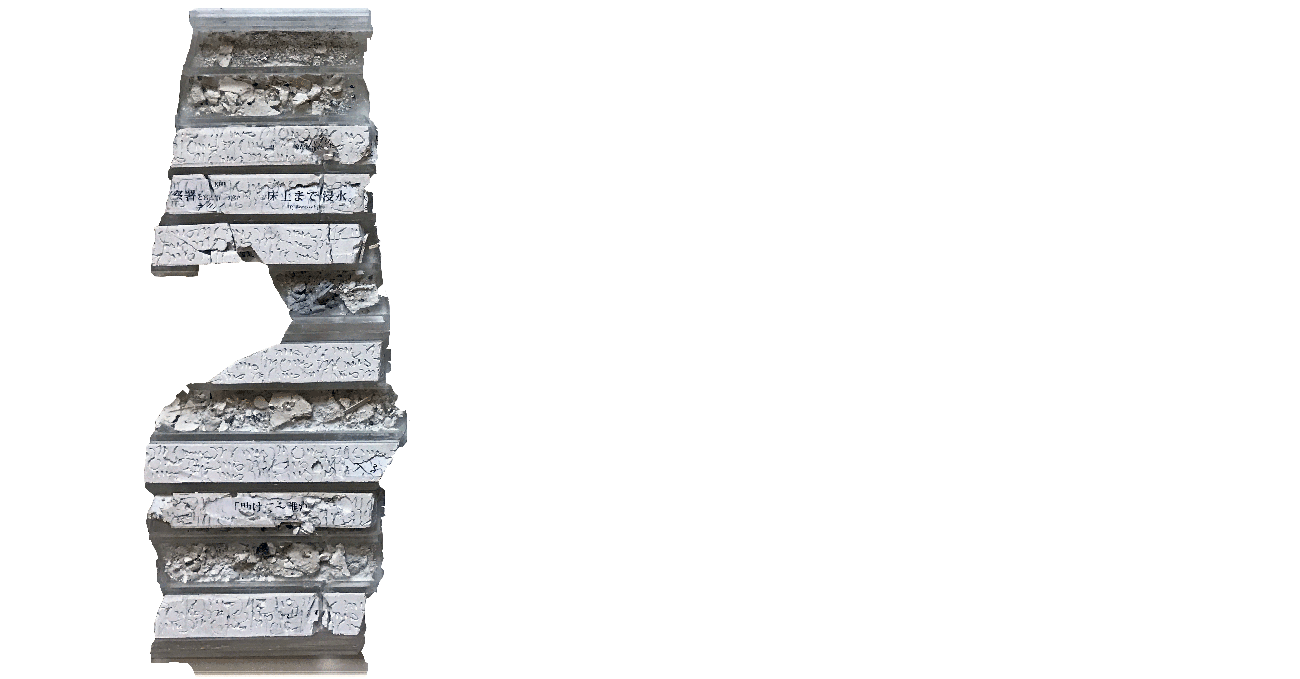 | 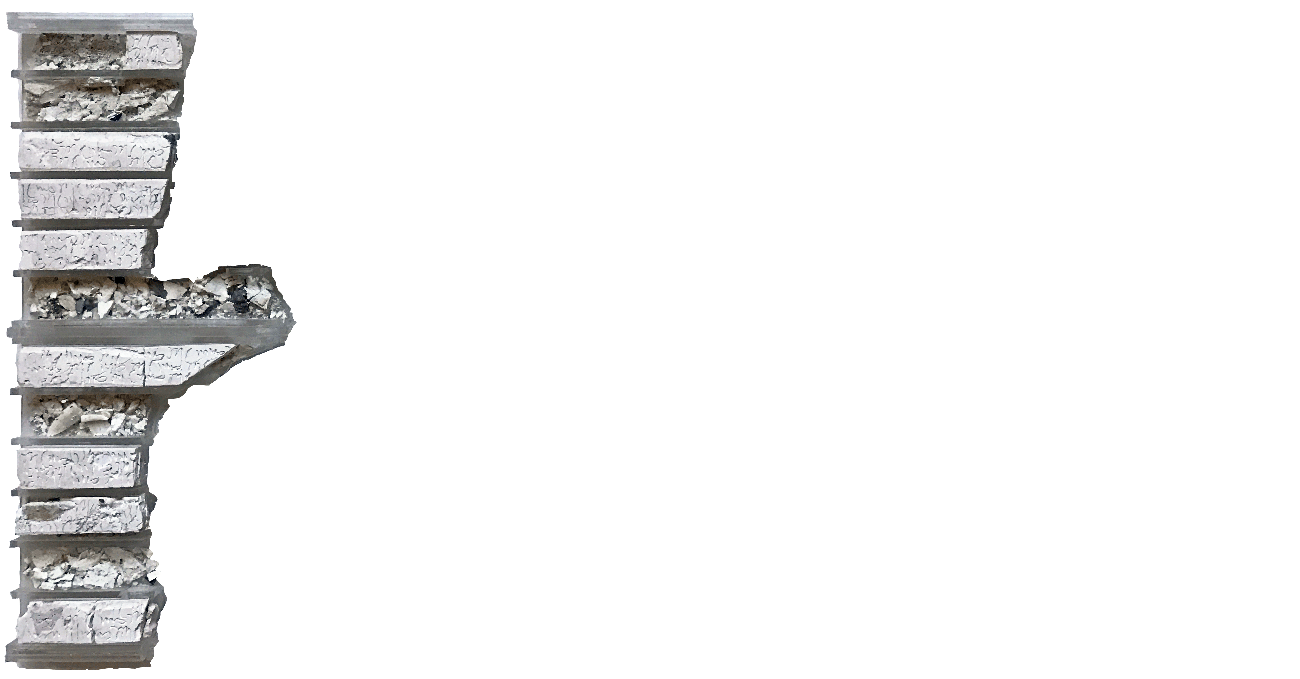 |
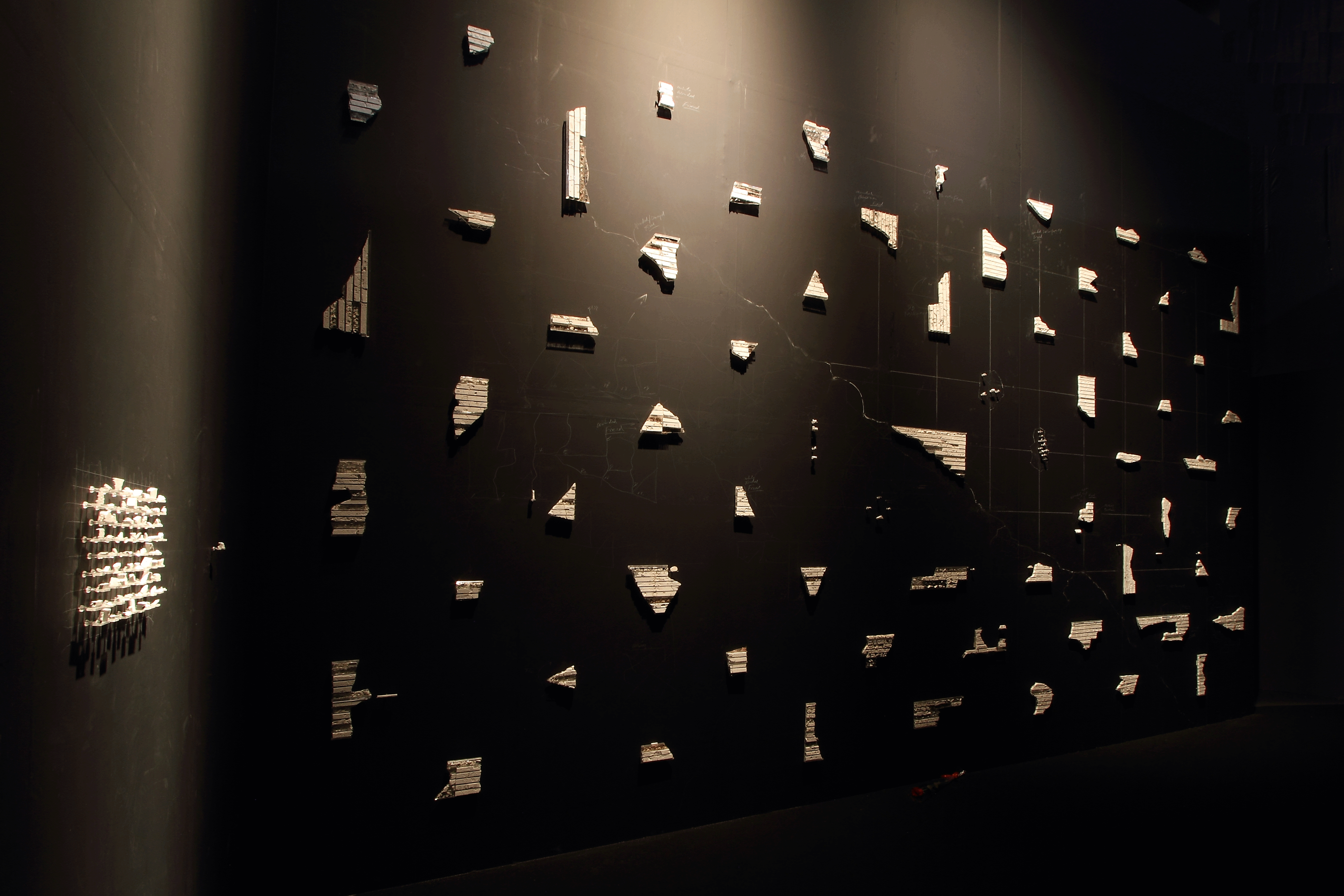
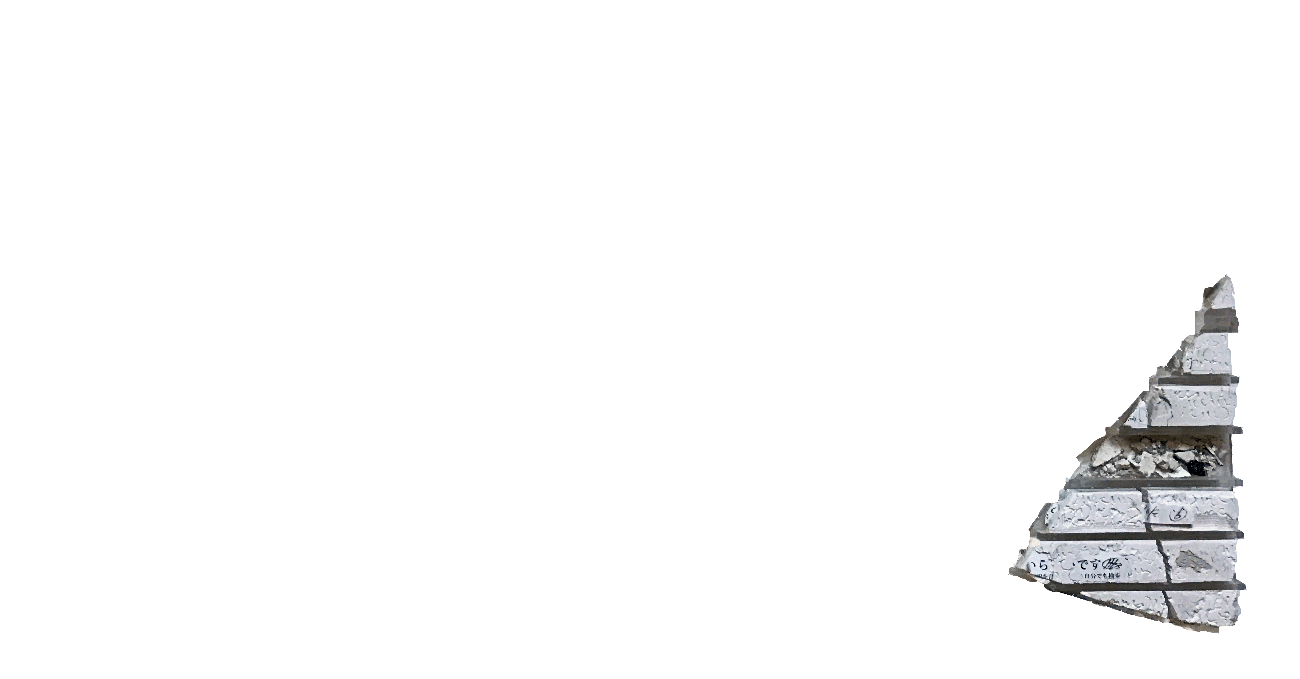
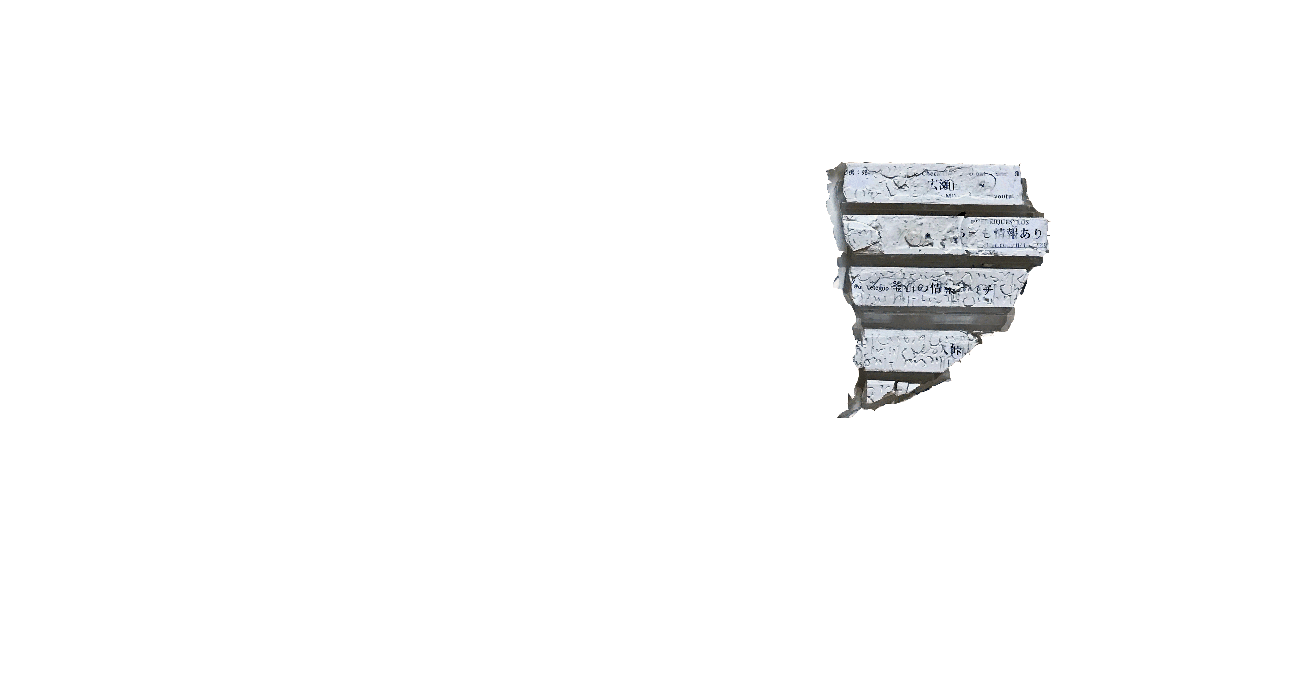
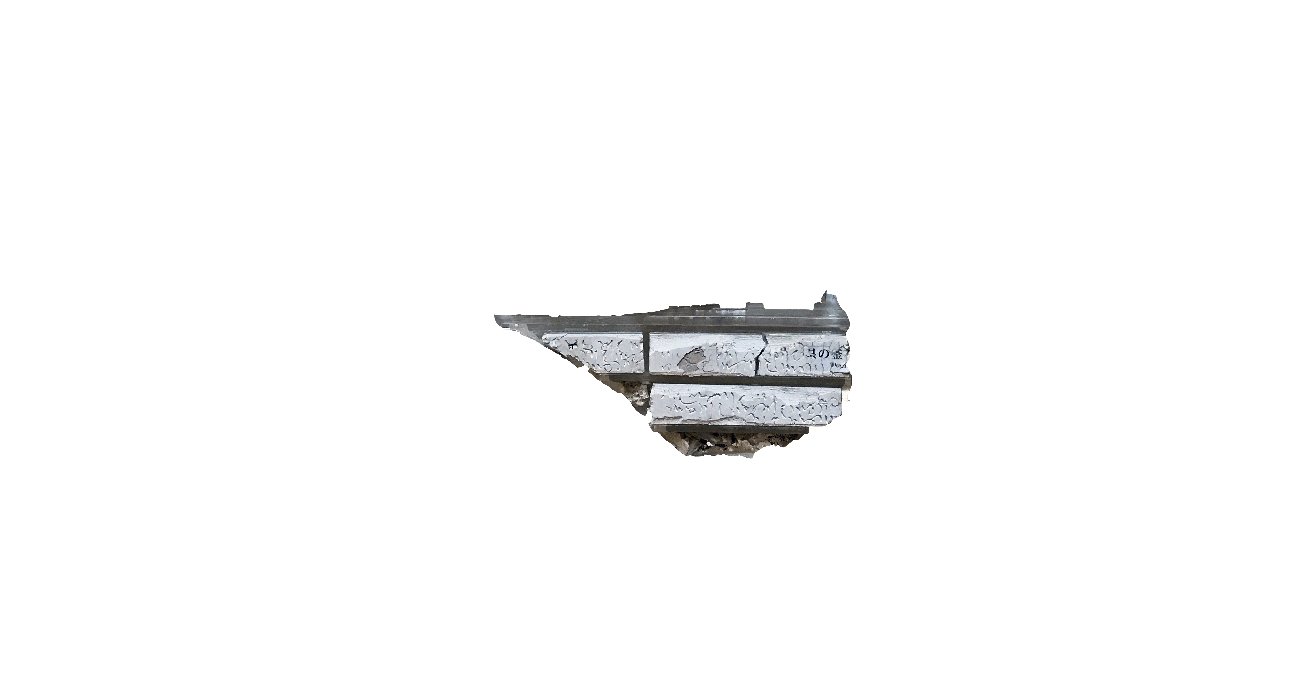
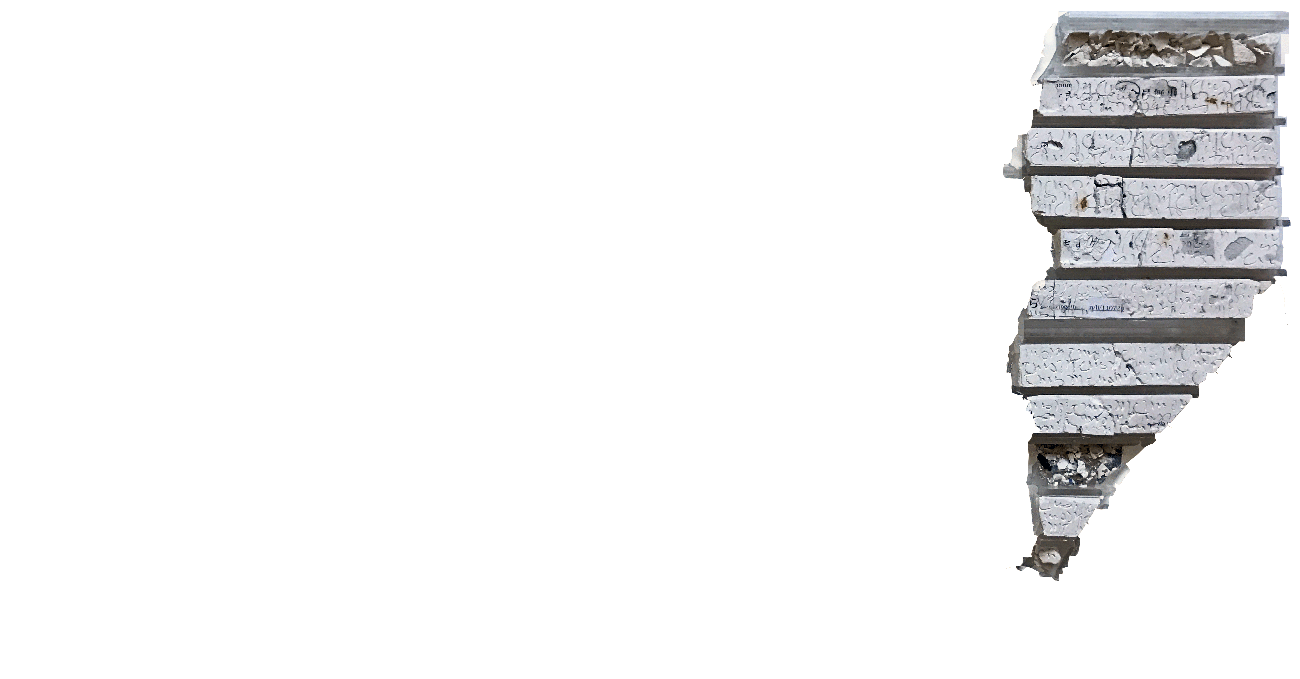
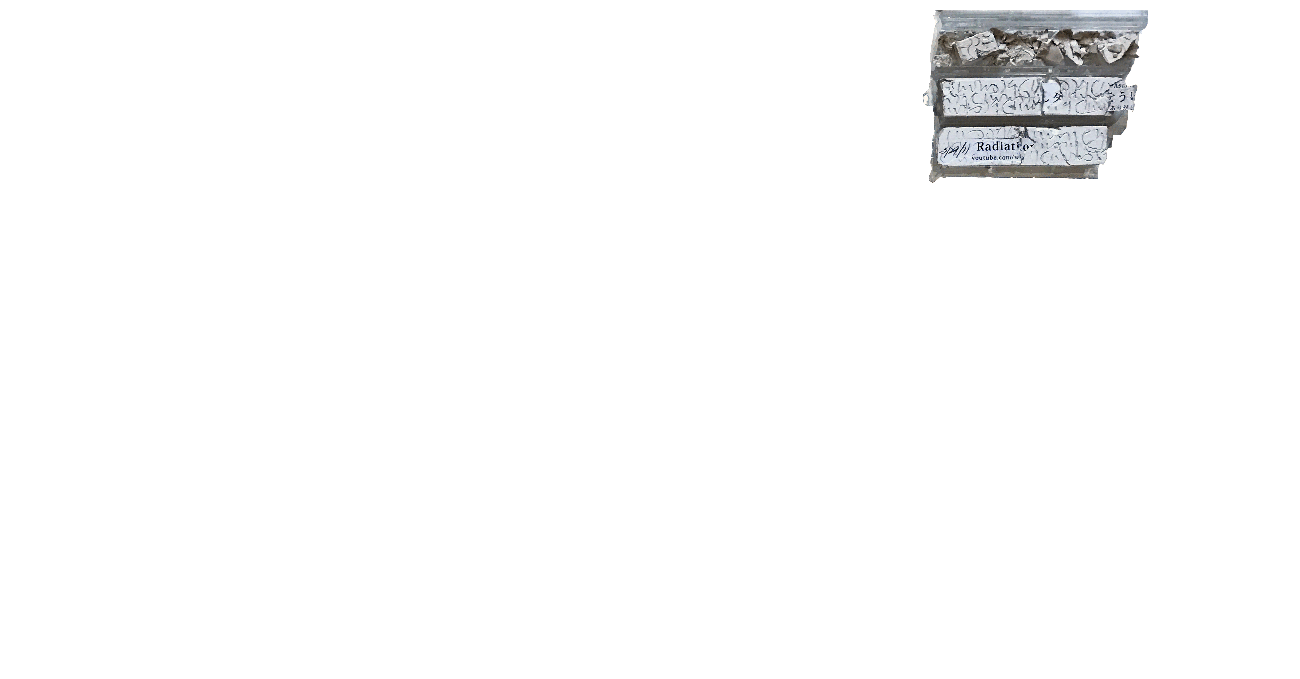
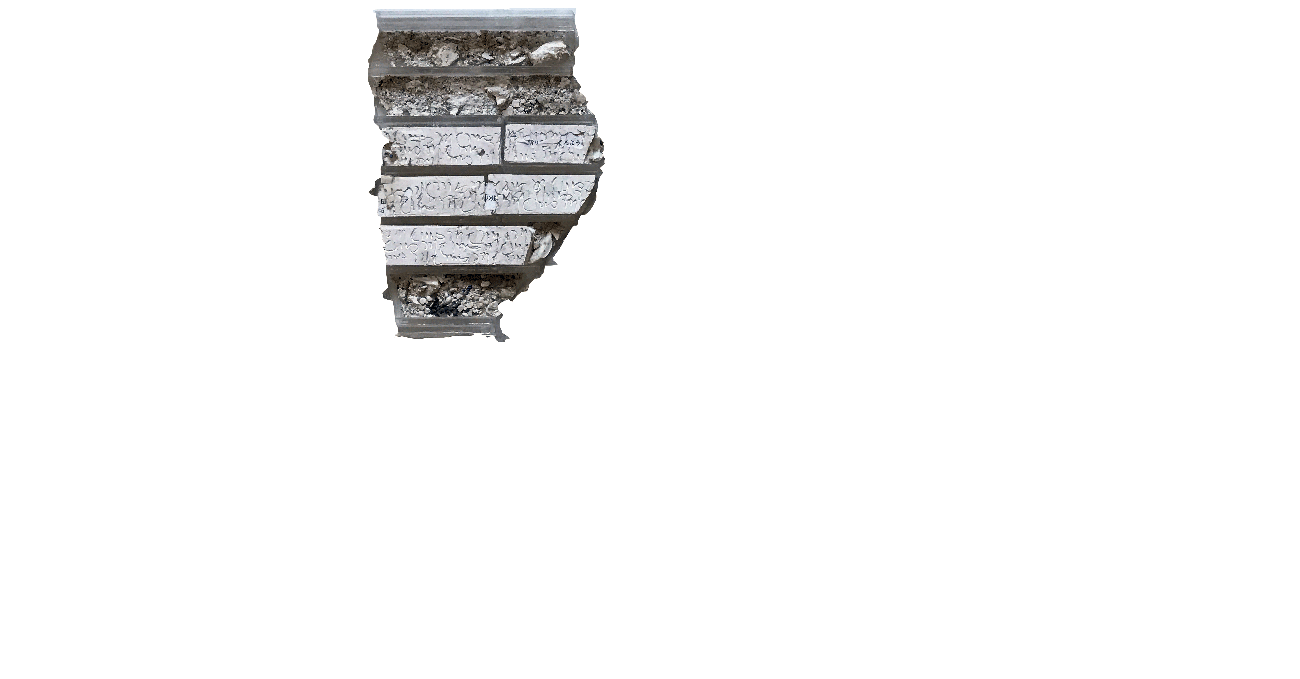
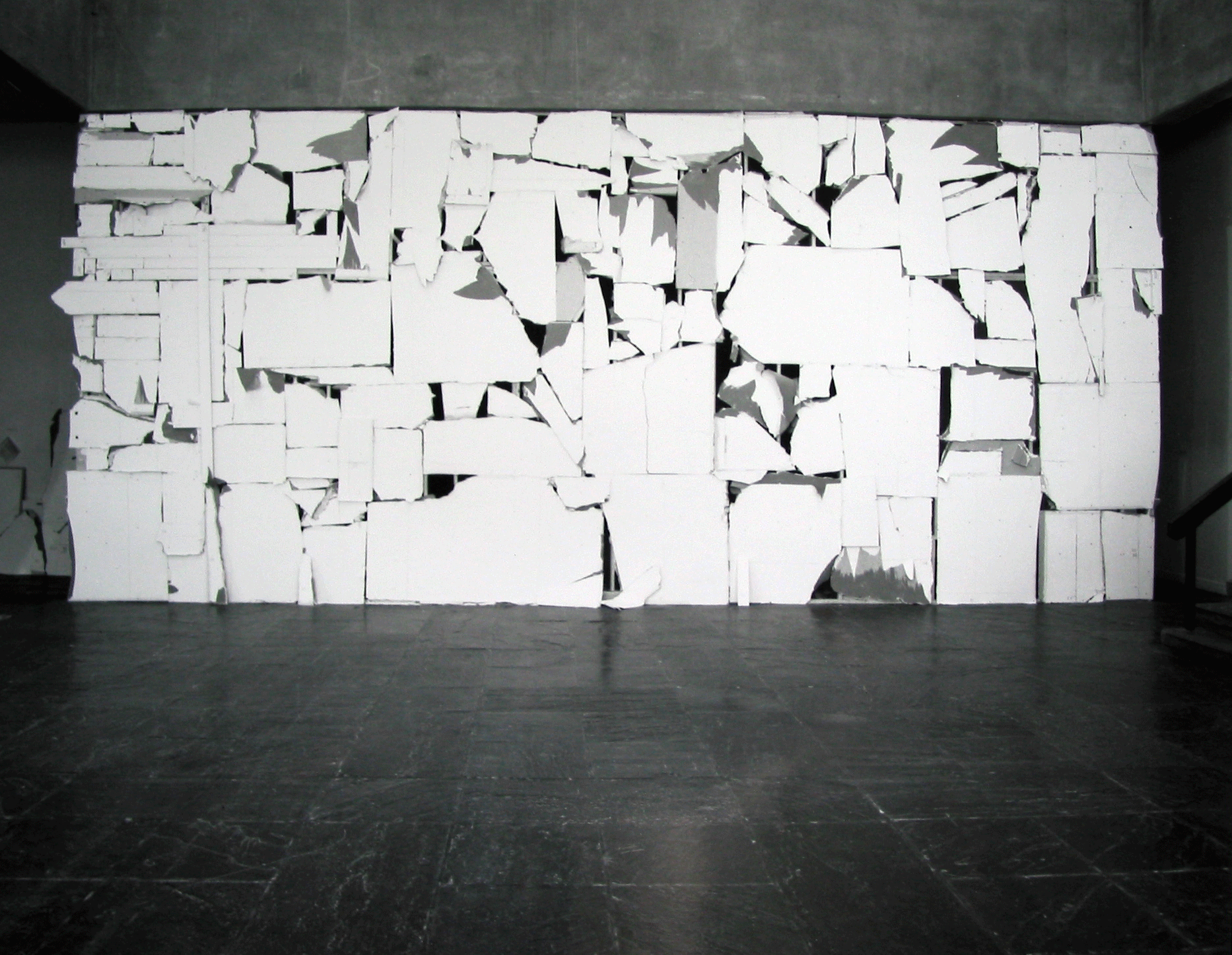
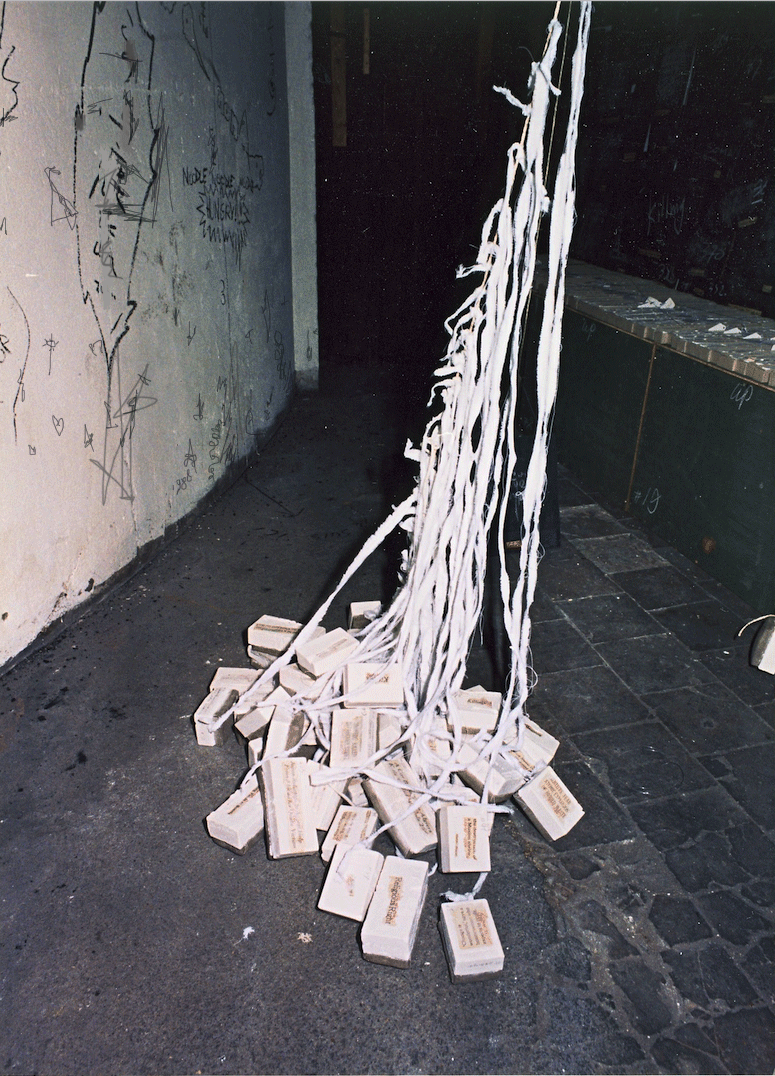
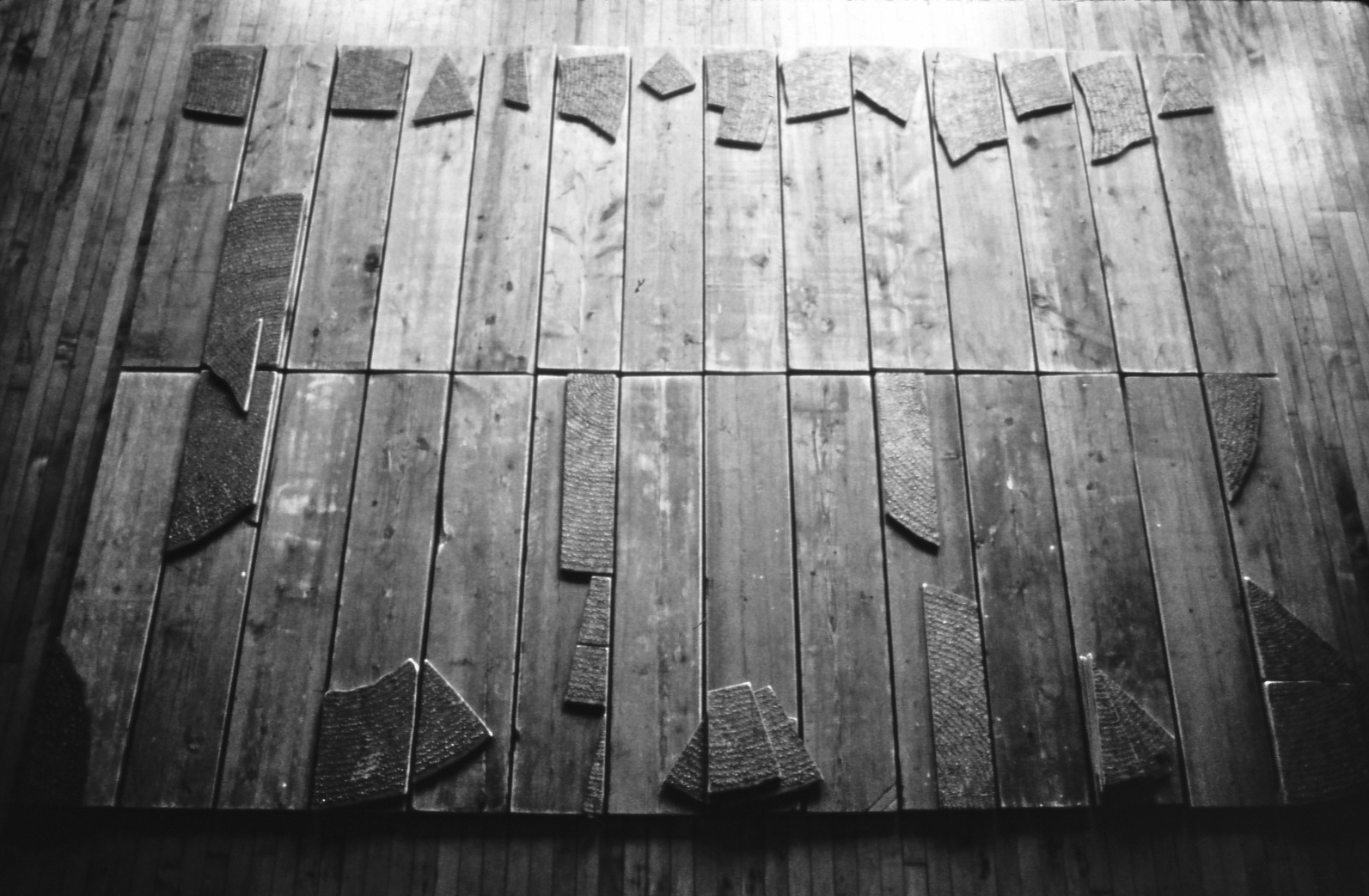
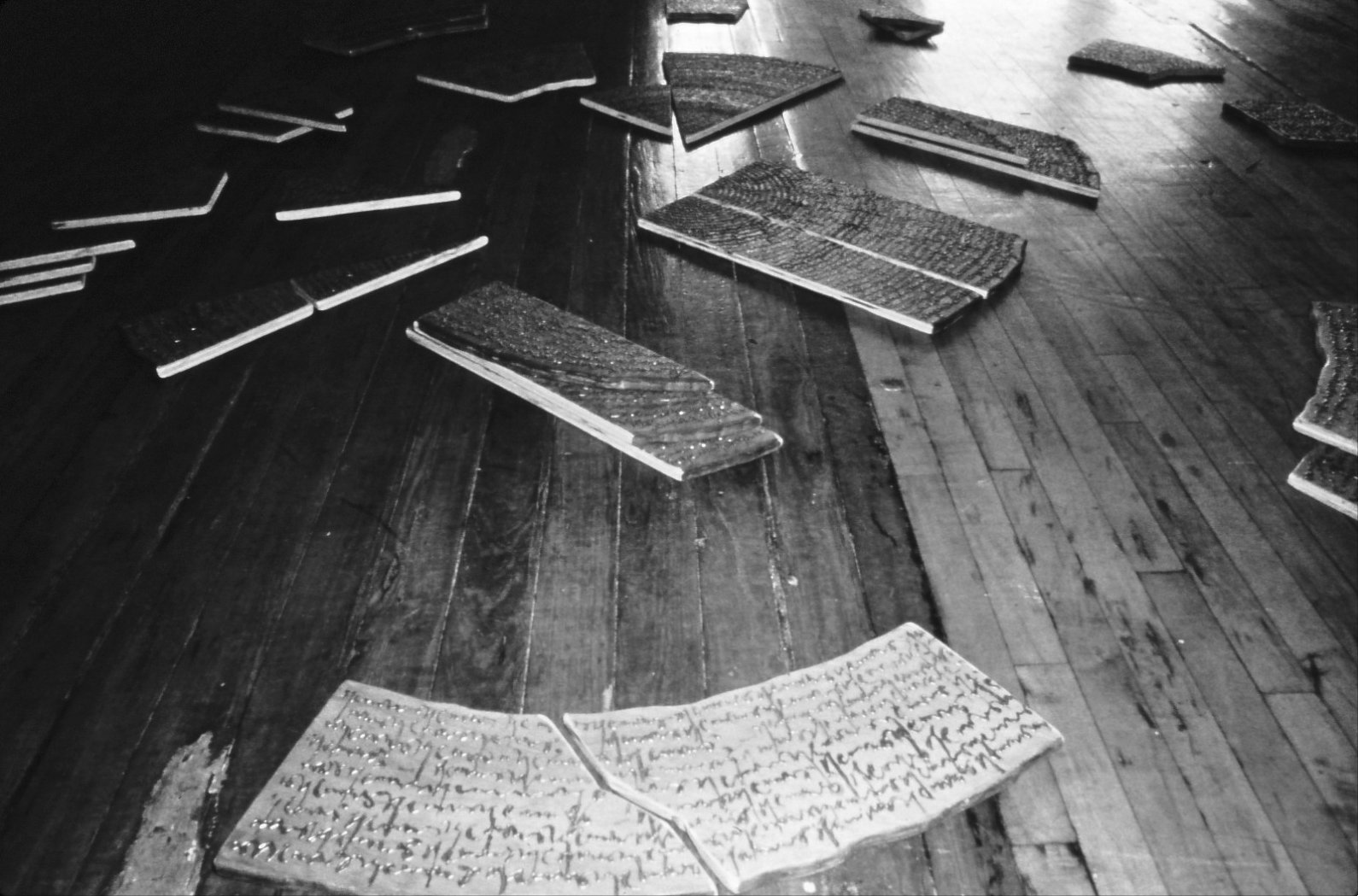
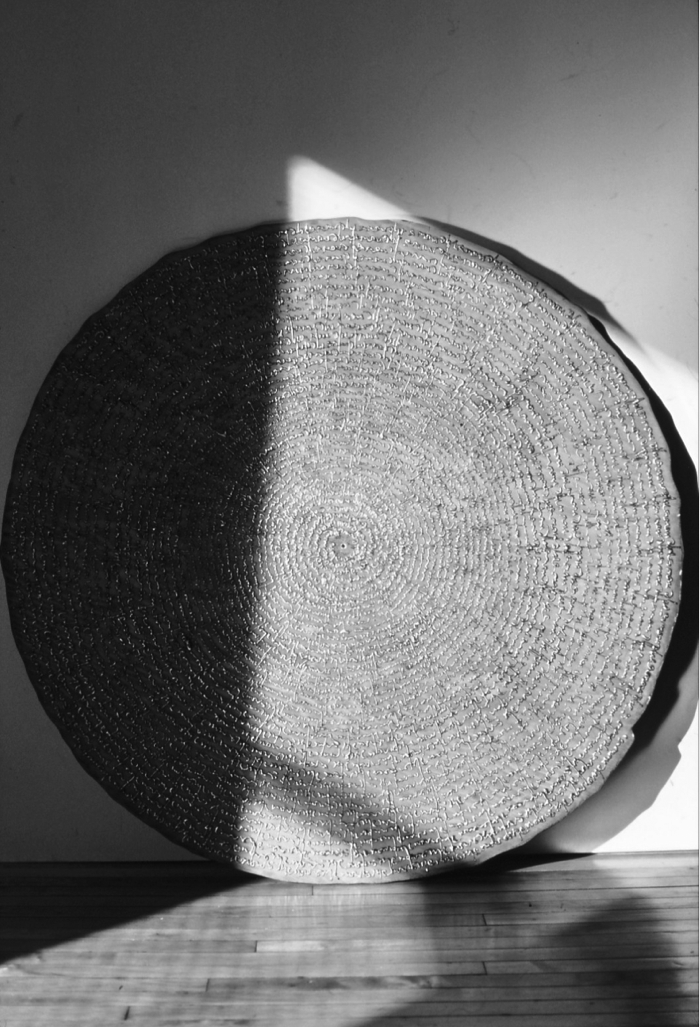
Fossil Chalk series: mixed media, plaster with shredded printed news article titles, twitter articles, room dust, studio debris, plaster debris, left over articles, cloths of writings, paper scrap, scrap metal, plastics, nails, screws, pencil leads, job site debris, and/or plastics, rasin, silicon...
Tokyo Designer's Week, 2011
Mizuma Art Gallery, Tokyo
 |  |
|---|---|
 |  |
 |  |
 |  |
 |  |
 |
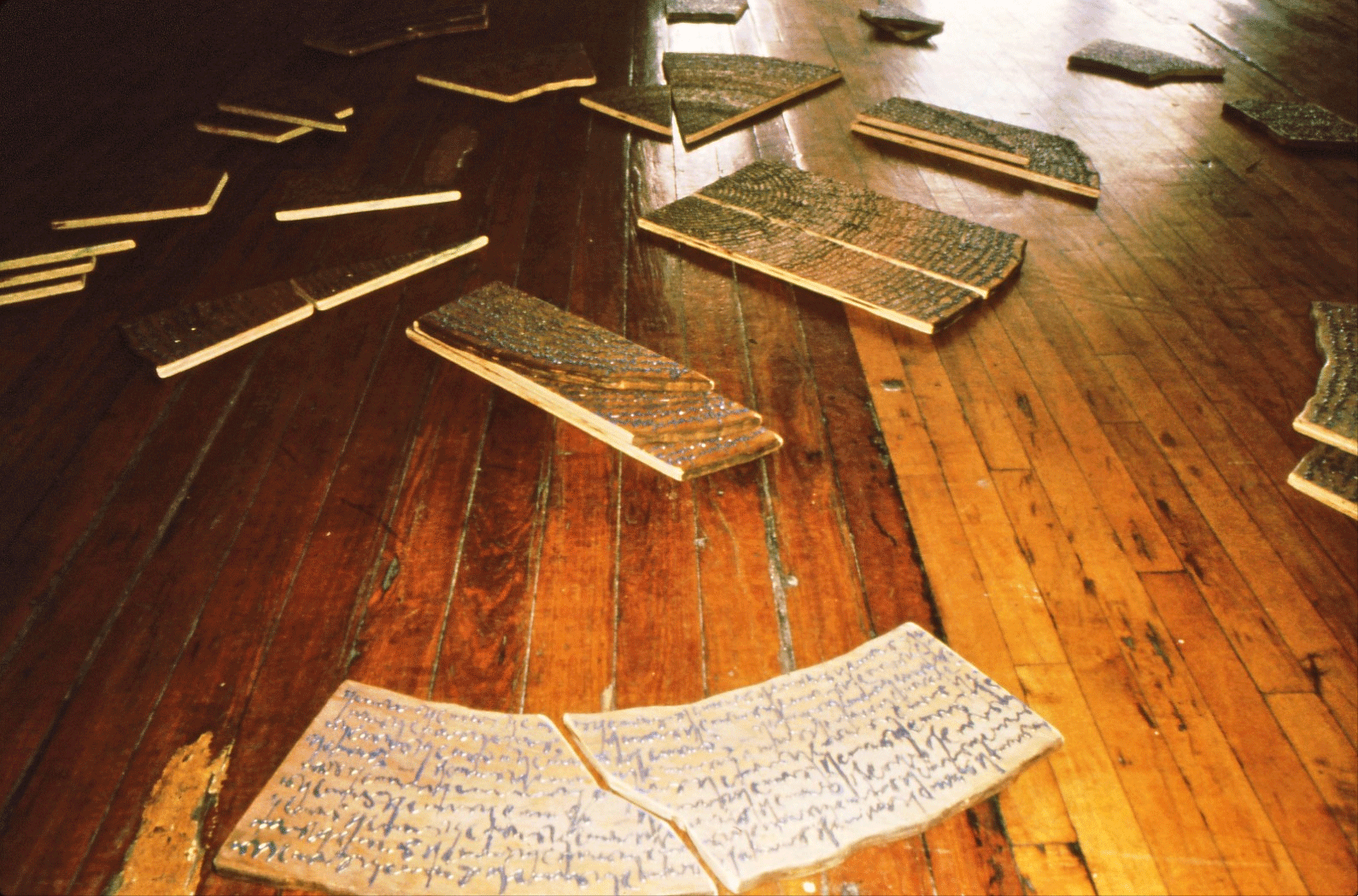
Art Tower Mito Web Project:
In Memory of 911, 2001"
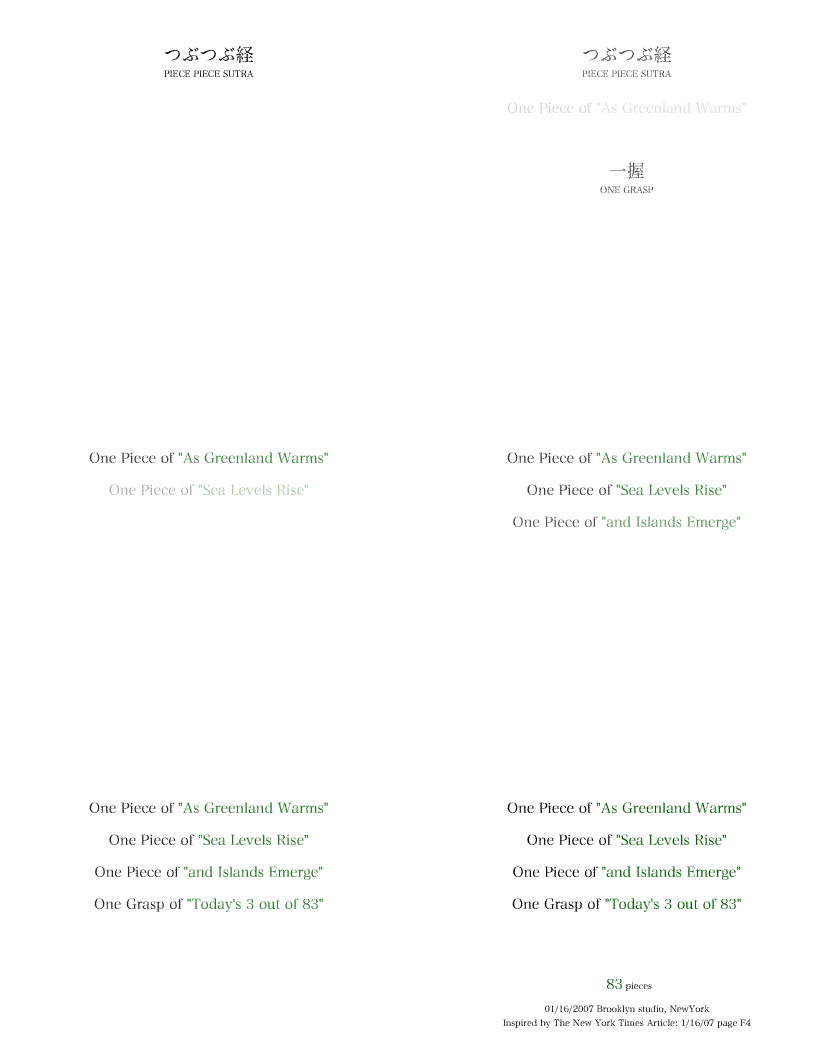
Daily work of Seed Sutra with 4 Line Poem. 2001-2003.
 |  |
|---|---|
 |  |
 |  |
 |  |
 |  |
 |  |
 |  |
 |  |
 |  |
 |  |
 |
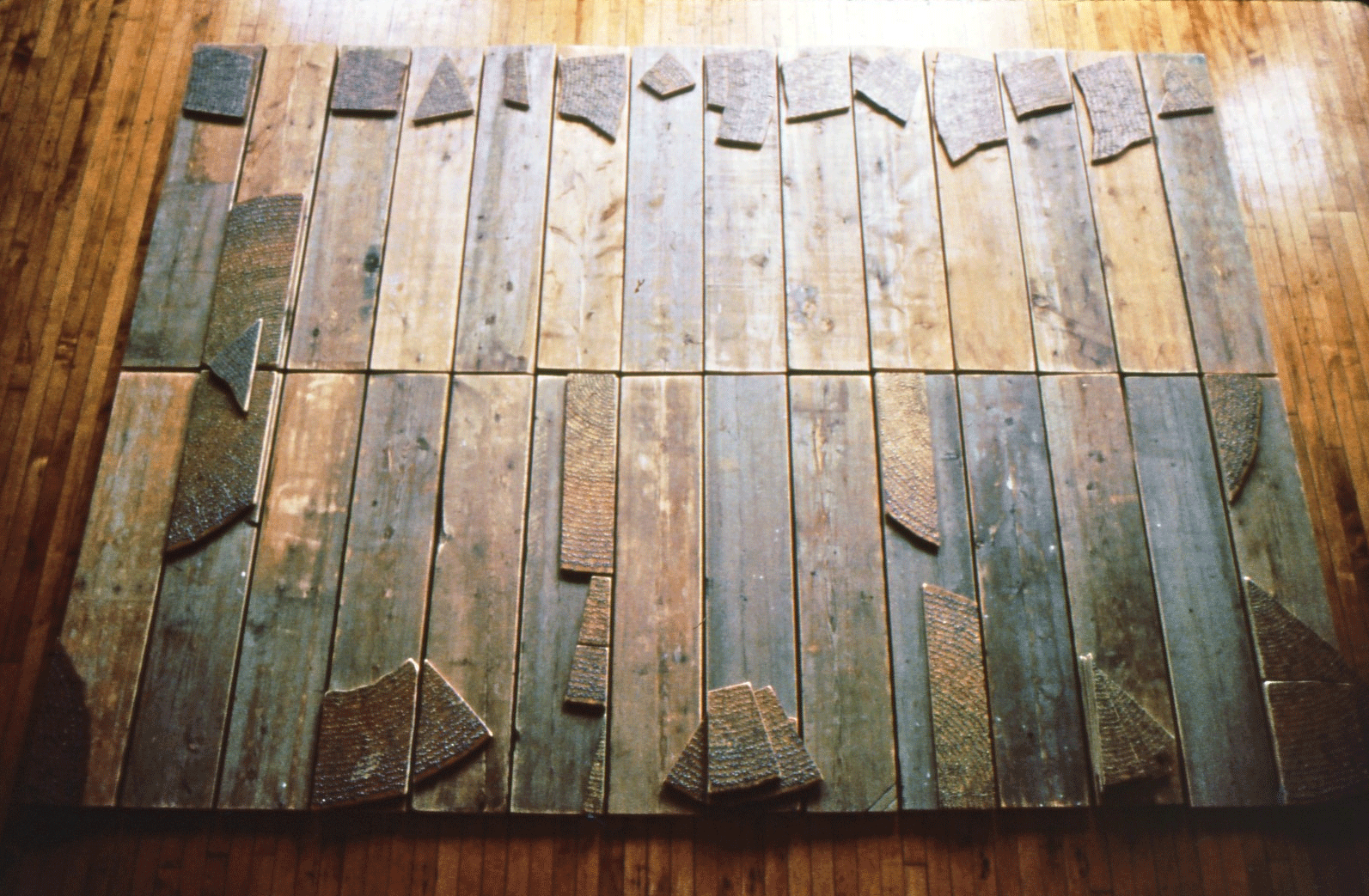
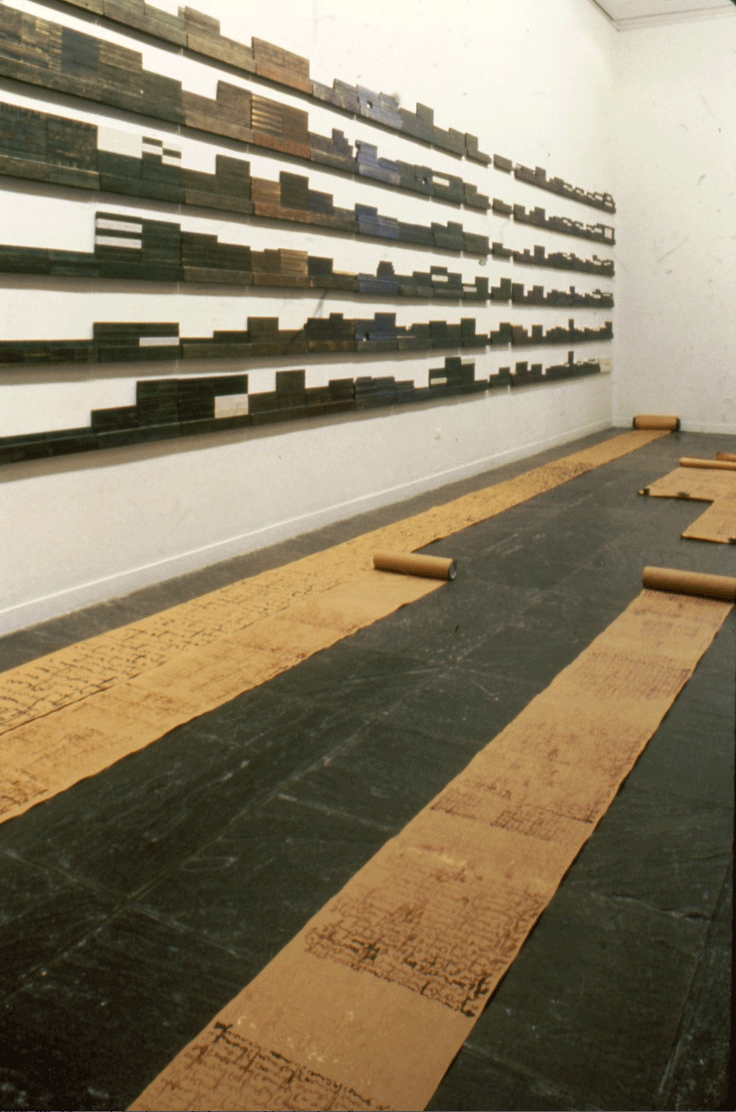
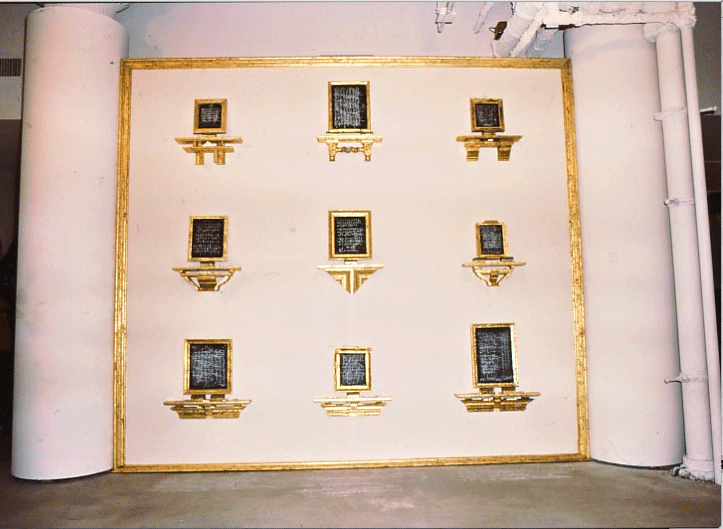
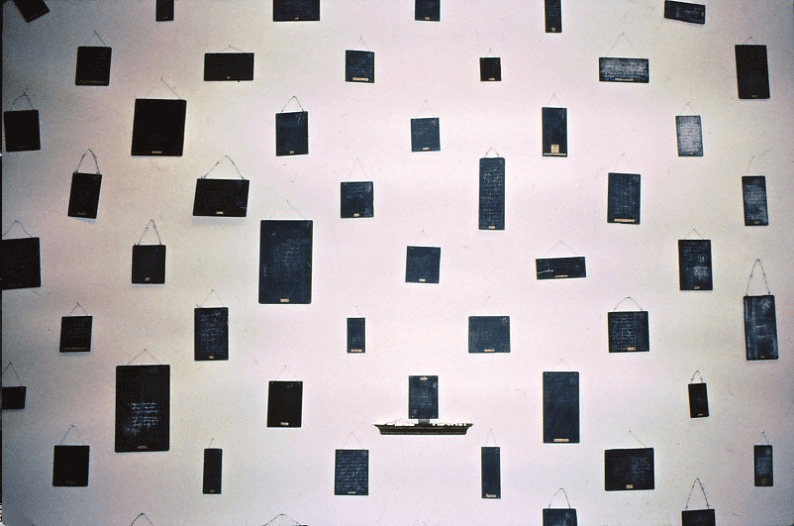
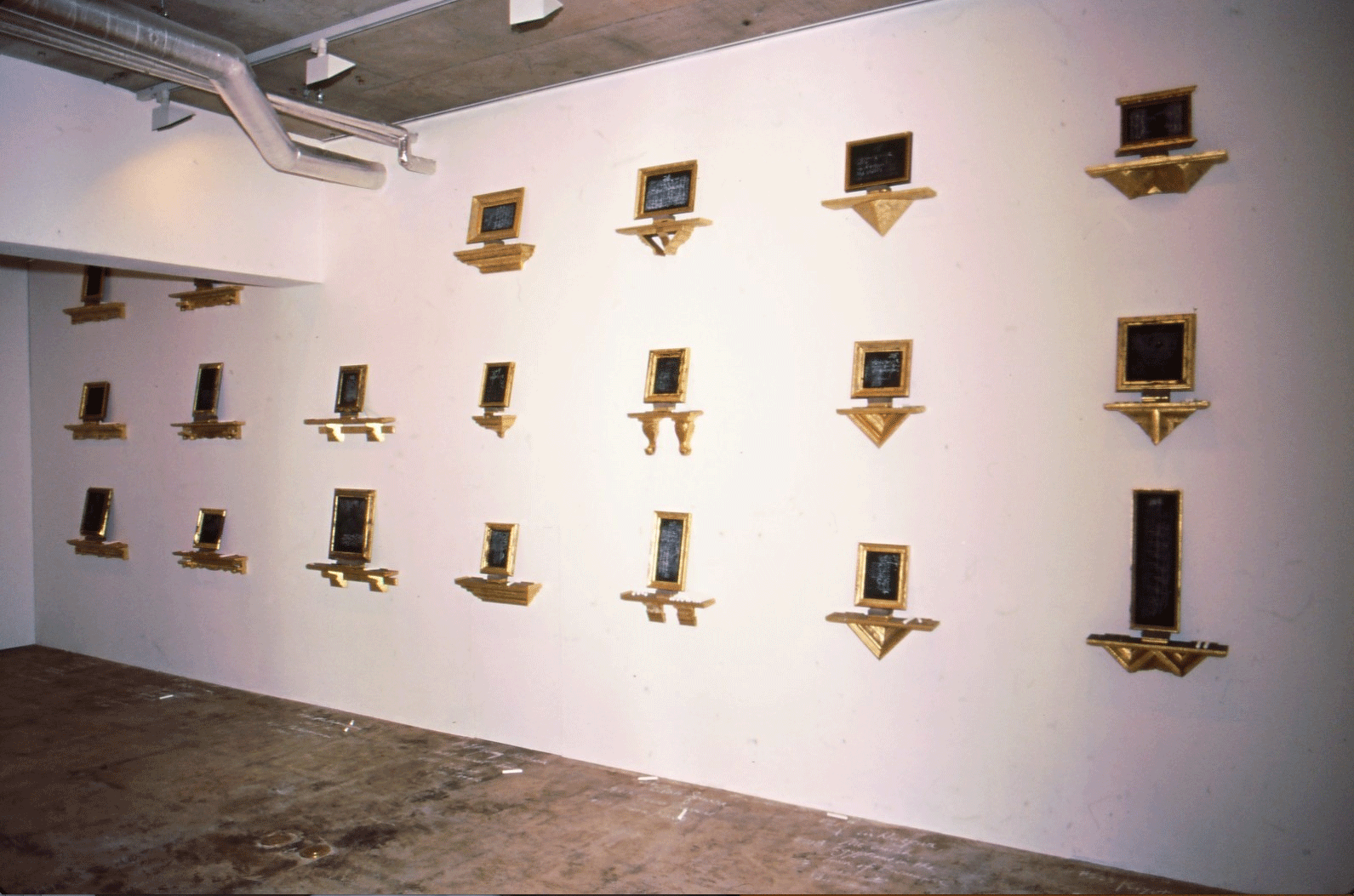
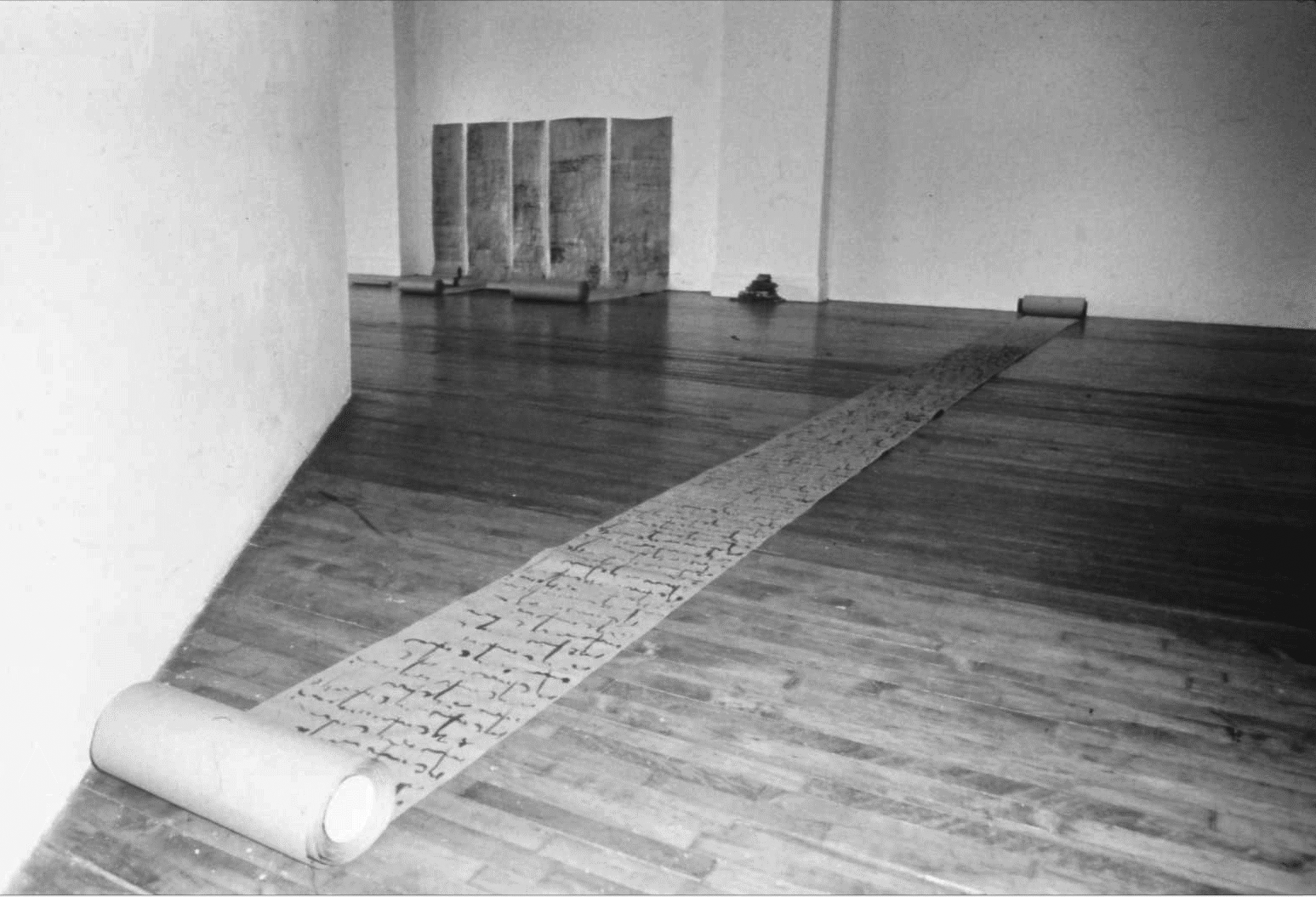
ICA Philadelphia|1990|Sutra|
|Sparks Gallery|1993|In Memory of 1992|
|Mizuma Art Gallery|1994|Sign of The Times|
|izuma Art Gallery|1995|Chalkboard Sutra|
|Mizuma Art Gallery|1996|Emptiness|
|Mizuma Art Gallery|1997|Parallel Chalkboard|

"Begins And Ends"
 |  |
|---|---|
 |  |
 |  |
 |  |
 |  |
 |  |
 |  |
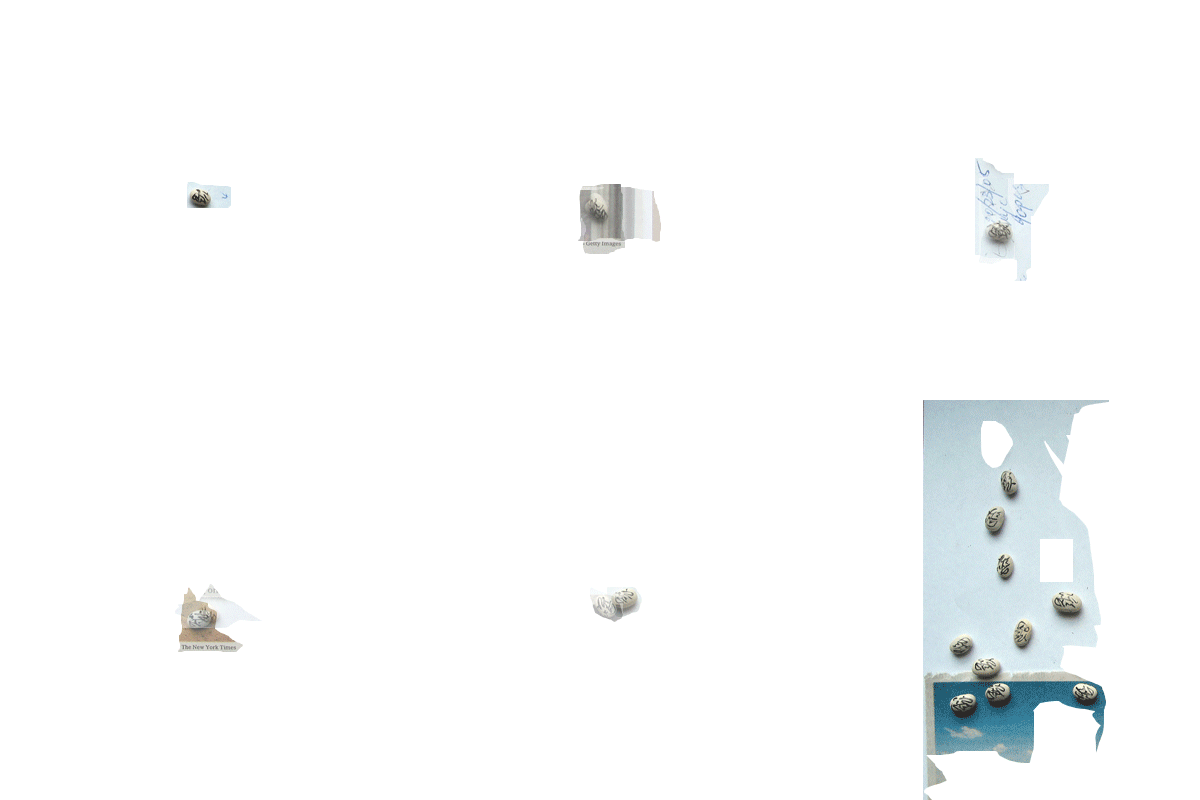
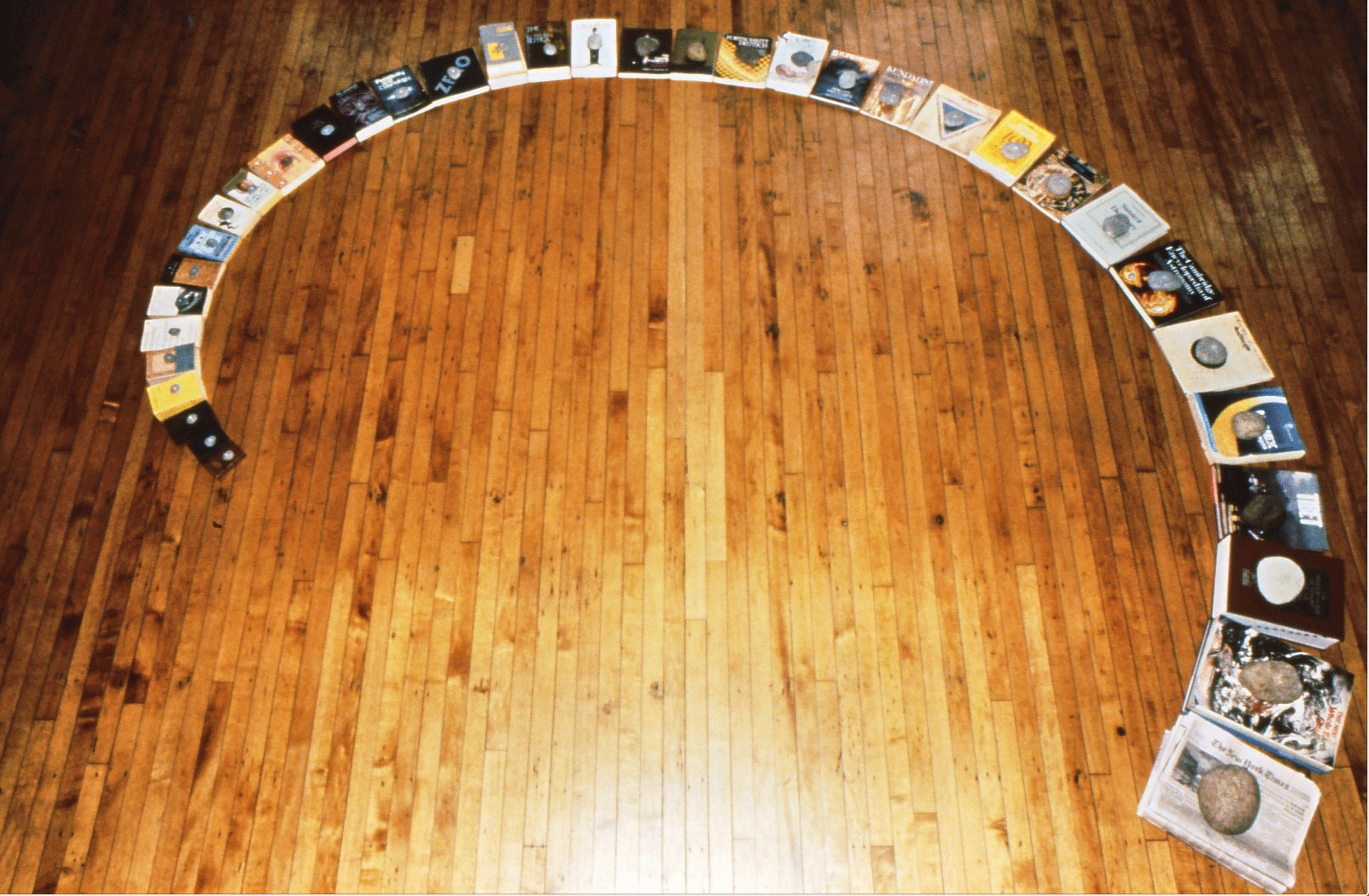
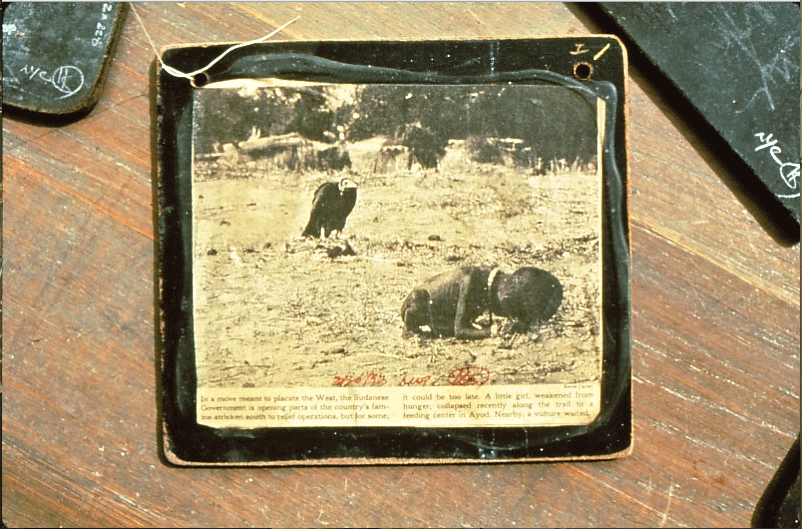
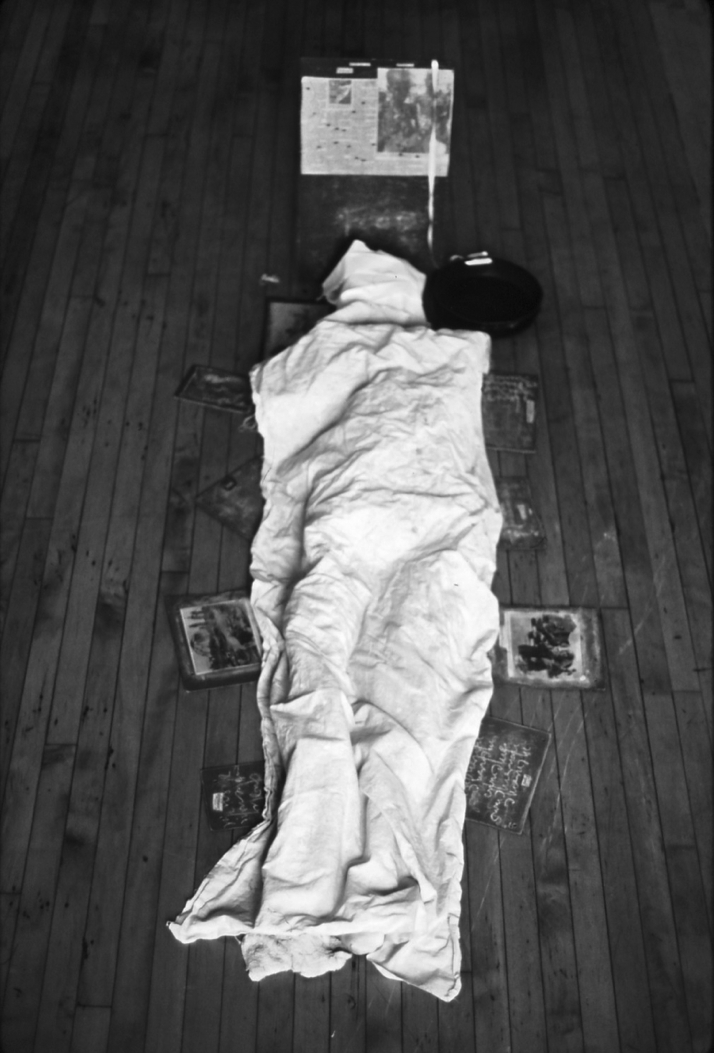
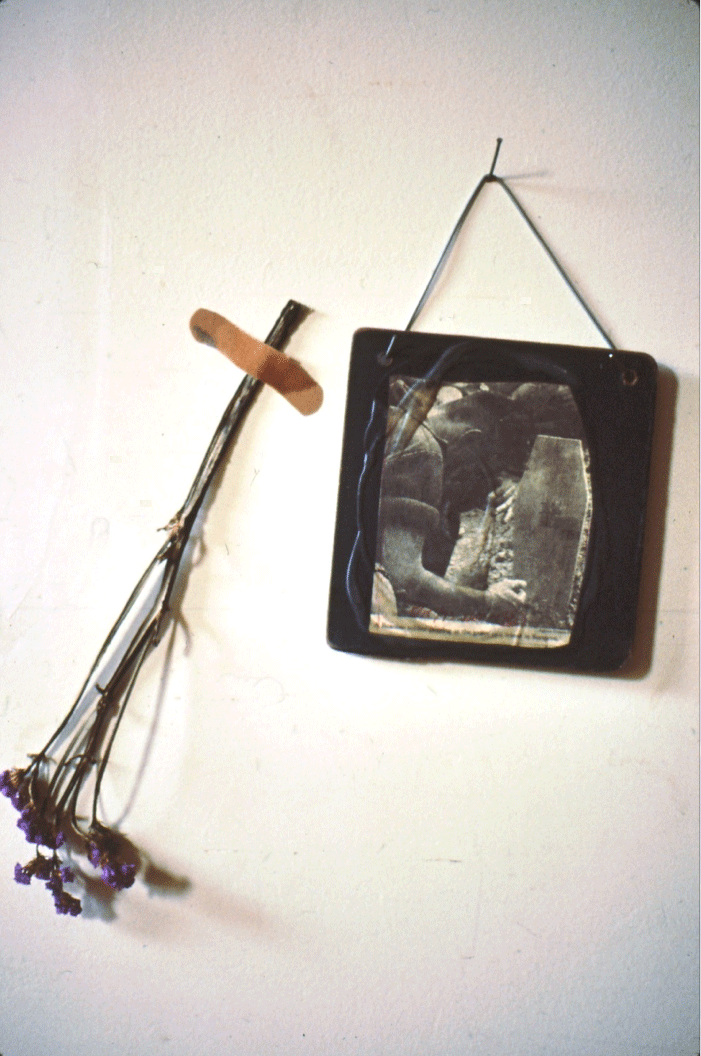
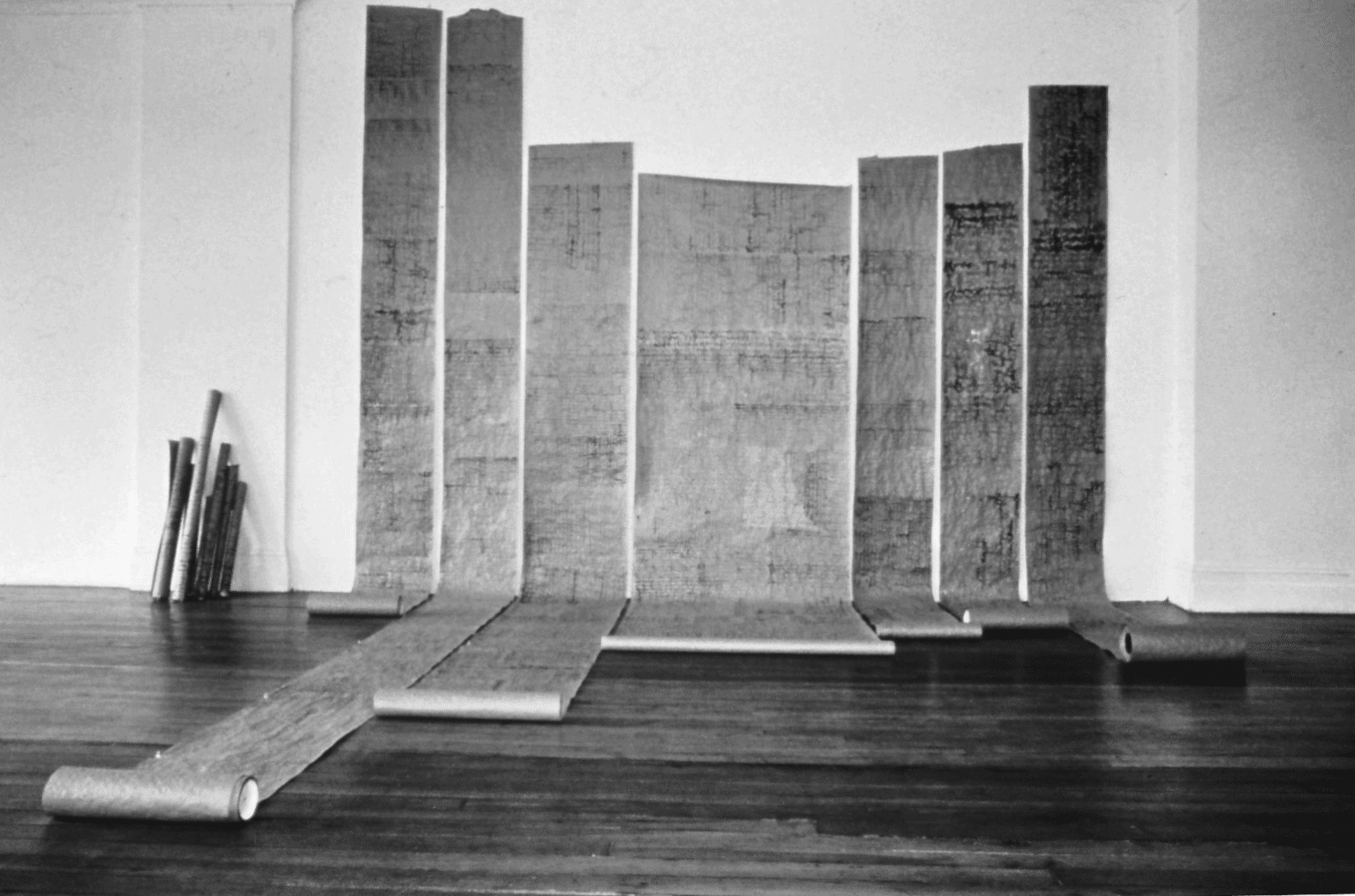
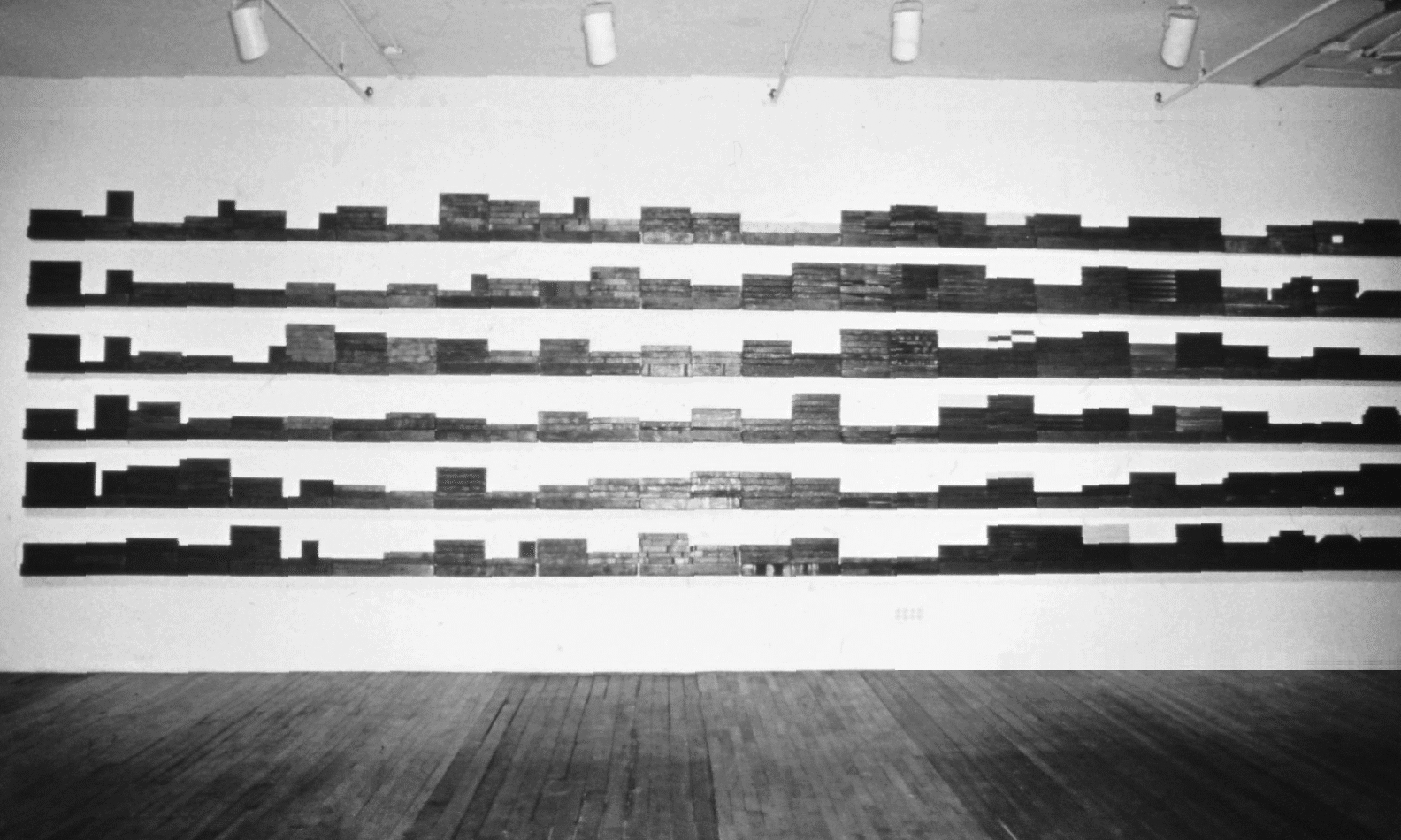
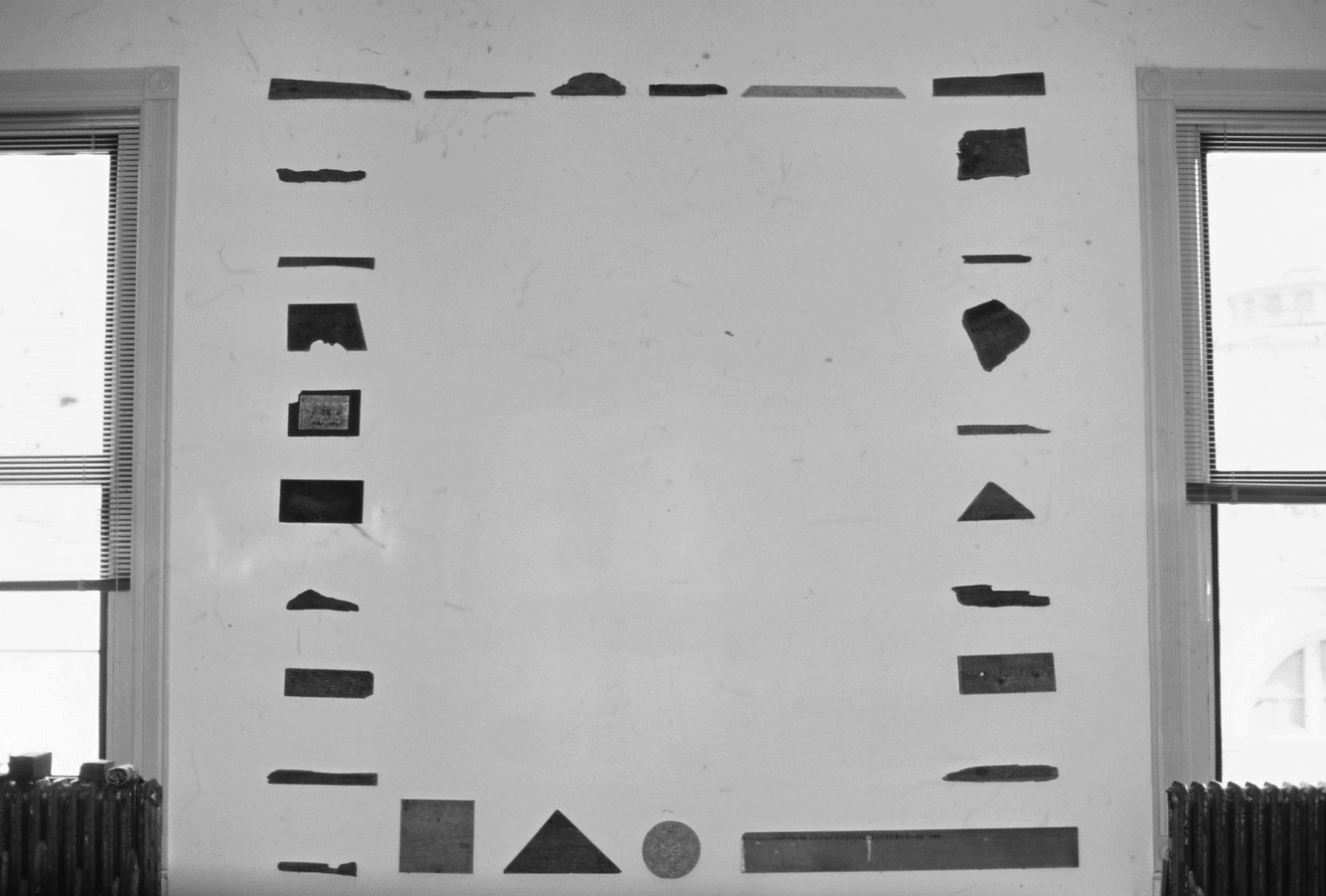
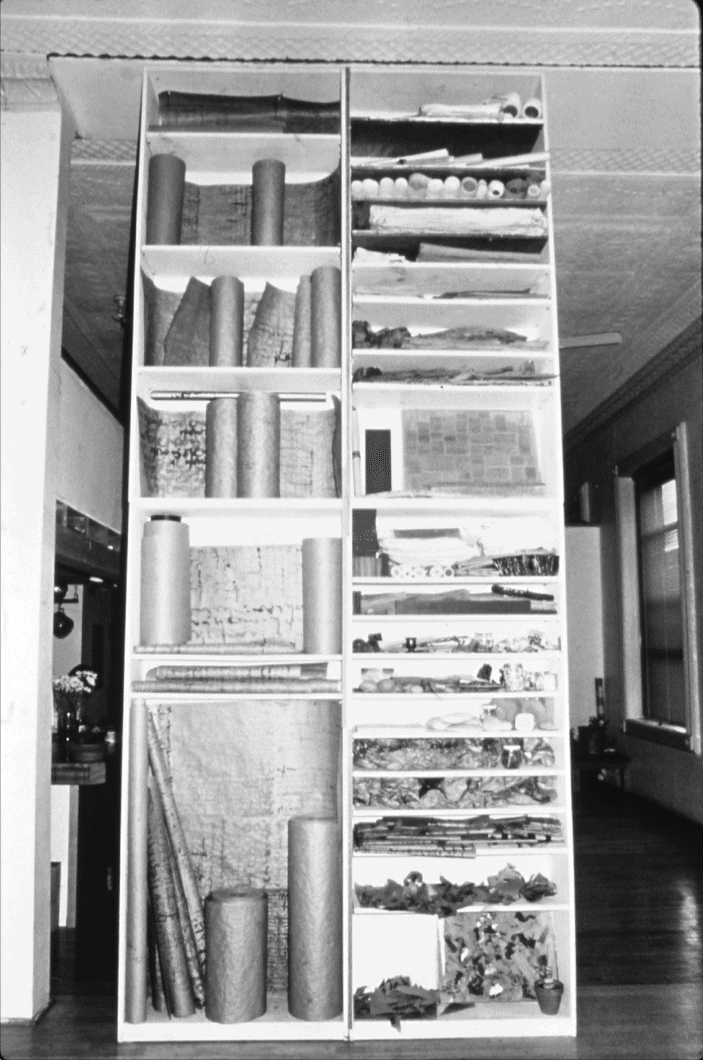
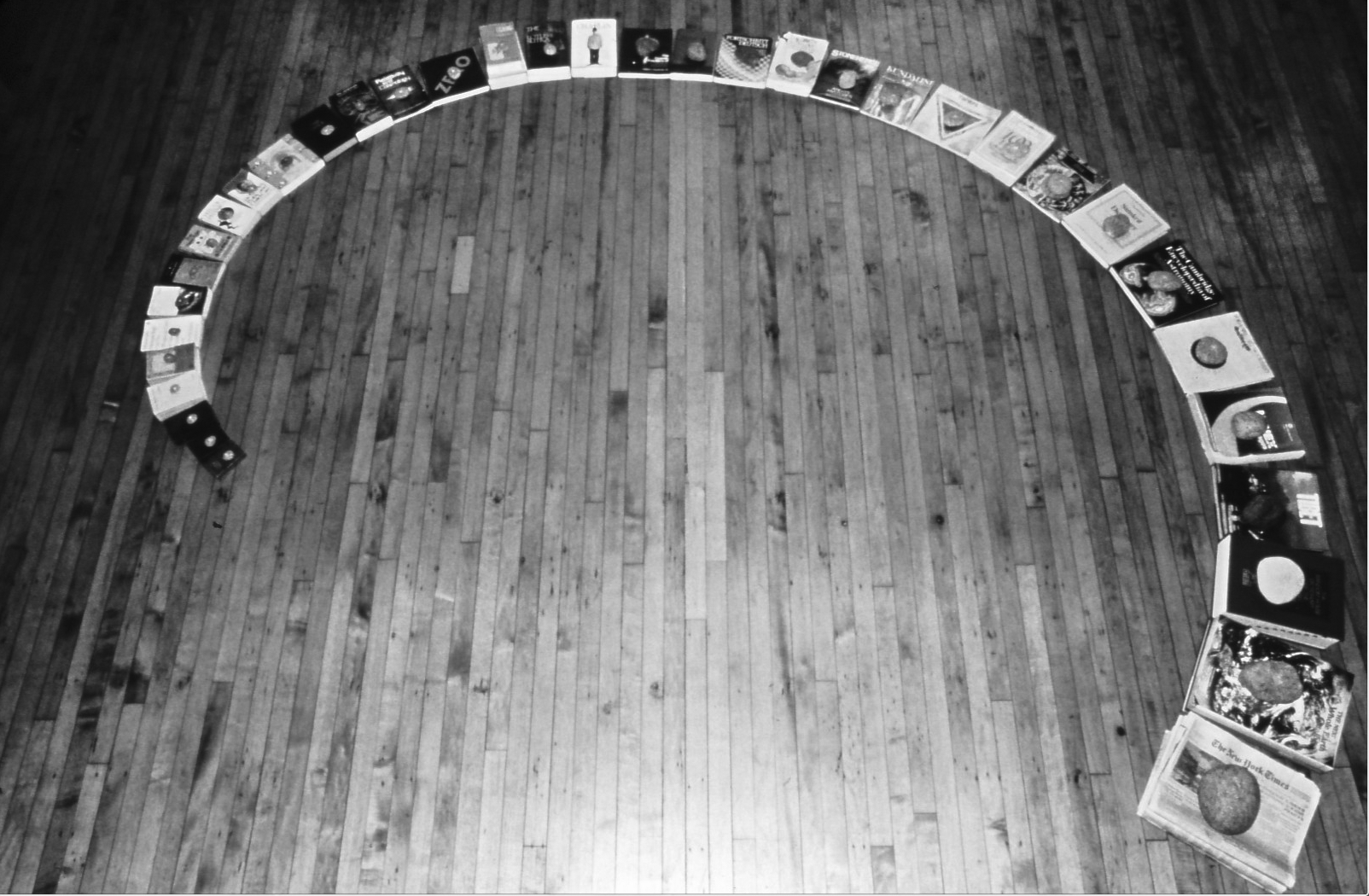
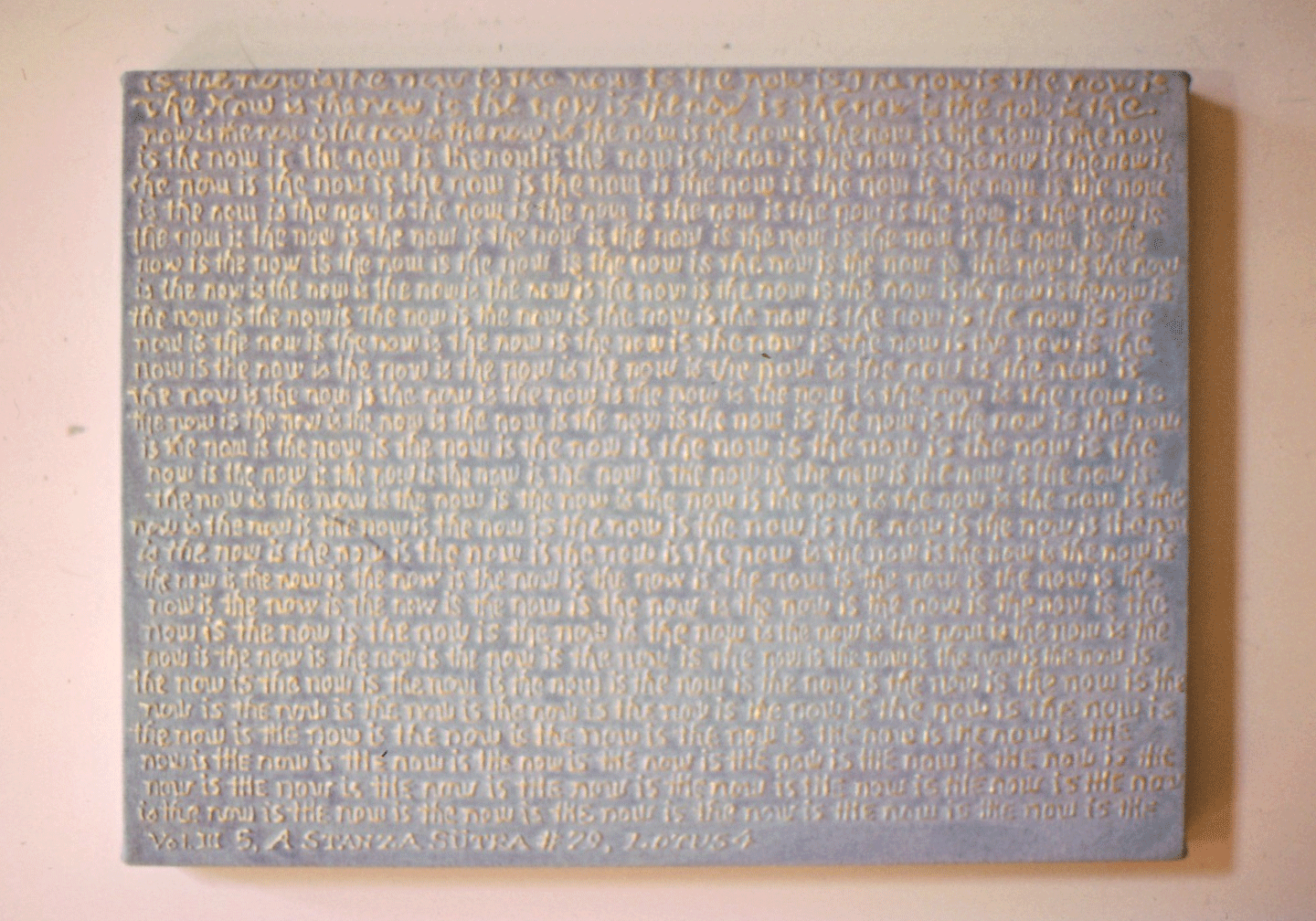
Kariya's signature work "the now is" sutra on various objects; shredded page of Bible+Quran+Heart Sutra+NYT, World Atlas, post cards, old snap photos, portfolios, portrait photos, missing child milk crates, memos, drawings, card boards, chicken bones, pork bones, ox bones, receipts, stickers, sea shells, stones, Hudson drifted wood, construction debris, sheet rocks, craft papers, shopping bags, paper bags, duct tapes, sheets, cloths, anonymous photos, found woods, picture frames, napkins, trashed memos, plastics, old records, record tapes, rices, beans, seeds, dried bread, pasta, and others. Exit Art, 1989, ICA Phil, 1990.
 |  |
|---|---|
 |  |
 |  |
 |  |
 |  |
 |  |
359 Canal Studio, 1978, former studio of Nam Jun Paik, Ay-O, the place FLUXUS was performed. Dick Higgins studio was downstairs. Landloard was by Trump management. More

Transparent Mask Library
Multi Media Project Rendering: SOL3FC1105912

| ARCHETYPE | Mizuma+Kips NY Installation |
3/4-4/5/2020

FACE OFF, NY Times Magazine Article p83, 10/1999

John Baldesari
Ed Ruscha
Howardena Pindell
Vito Acconci
David Wajnarowvicz
Mike & Doug Starn
Damien Hirst
Claes Oldenburg
Joan Mitchell
Andy Warhol
Annette Lemieux
Rosemarie Trockel
Laurie Anderson
Larry Rivers
David Hammons
Elizabeth Peyton
Lorna Simpson
Erté
John Curin
Elaine de Kooning
Peter Halley
Futura 2000
Nan Goldin
Robert De Niro Sr

FACE OFF, NYT Mag p84, 10/1999

FACE OFF, NYT Article 2018

CATTELAN BANANA BANNER
ImageOff Sequence, 4/23/2017, NYT ST6, Vinyl Banner, 4'x6'

ICA Phil, 1990