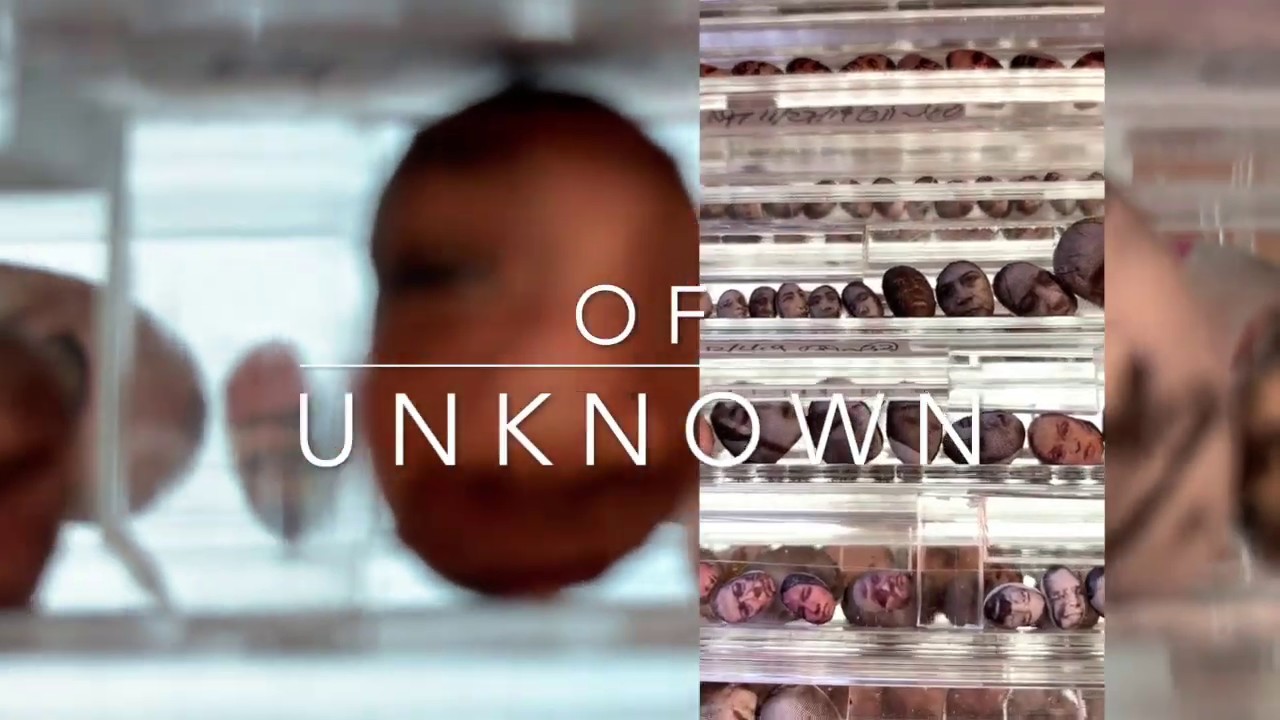
Transparent Mask Libraries. Installation rendering


ABOUT
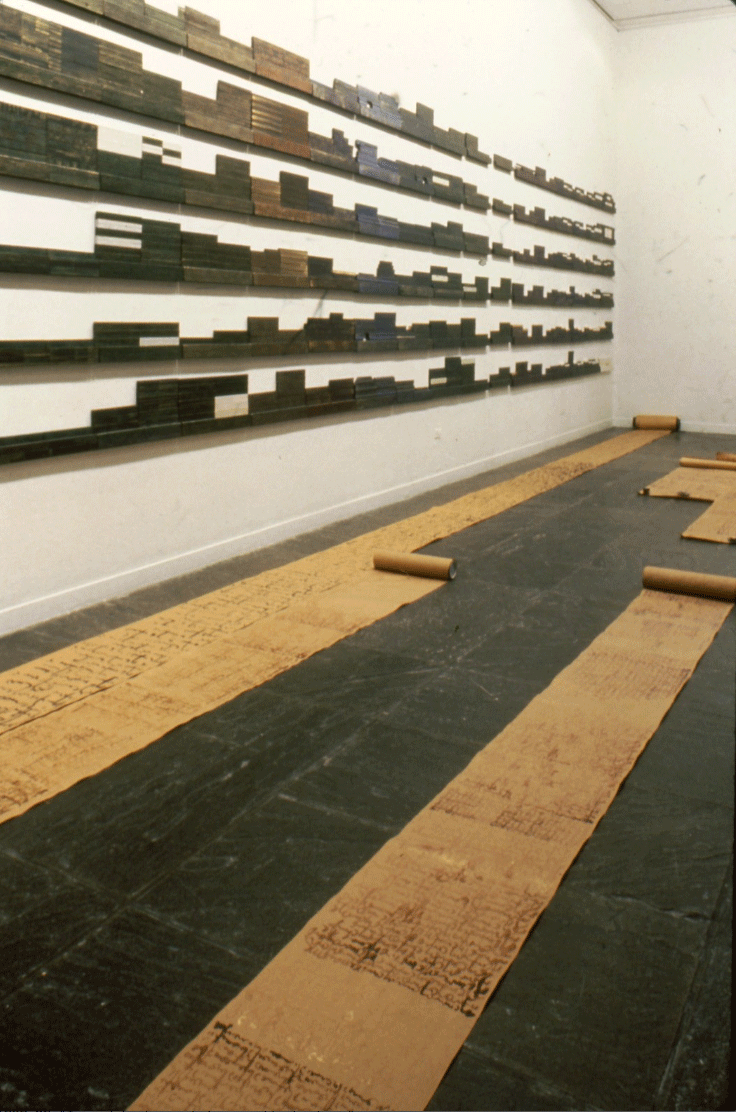
Hiroshi Kariya pioneered autoarchaeological art, also known as self-archaeological art, a distinctive form of artistic practice that he developed after moved to the United States in 1977. He demonstrated basic visual concept via Sutra exhibition at Exit Art 1989, then ICA Philadelphia in 1990.
This approach entails an ongoing investigation into the archetypes of existence, language, and artistic creation, transforming these inquiries into artworks that present attachments to concepts of existence and meaning, along with systemic landscapes that continue to explain them.[1][4]
To pursue these archetypes, Kariya emphasizes the need to first recognize a "first" existence, "first" language, "first" consciousness, and "first" questions. The Japanese character "元:moto" (origin) can also be read as "hajimaru" (beginning), suggesting that everything originates in the "now." The practice centers on examining the "location" of the concept of existence and the representation of linguistic structure through the traces of a work's infancy. These traces, manifesting as processes of trial and error, form an ongoing "unfinished landscape" that encompasses the universe, including both visible and invisible worlds, in an unfinished state.[1]
The surfaces of Kariya's works serve as temporary vestiges of appearance, often retaining visible records of the creative process—such as conflicts, hesitations, revisions, and "errors"—that are integrated into the final piece rather than erased. This method simulates an archaeological excavation, treating the artwork's making as a site for questioning reality and illusion, with the unfinished quality reflecting the continuous, flowing nature of existence.[4][6]
Autoarchaeological art is closely connected to Kariya's central concept of "the now is."[1]
Reference: [1][4][6] Gokipedia https://grokipedia.com/page/Hiroshi_Kariya
-"The now is" Writing-
Kariya's work is a record of his self-archaeological art. The world we live in is given to him as a mere illusion, "as it is given to be." he questions this phenomenal world, existence, language, consciousness, and all their presuppositions, definitions, and common sense. The process of questioning, including trial and error, is reflected in the creative process, and he plan to transform this process into a work of art. he calls this method *self-archaeological art*, and he creates installations using the moment of time that represents the present "as it is given" as an object, and then examine its illusory surface.
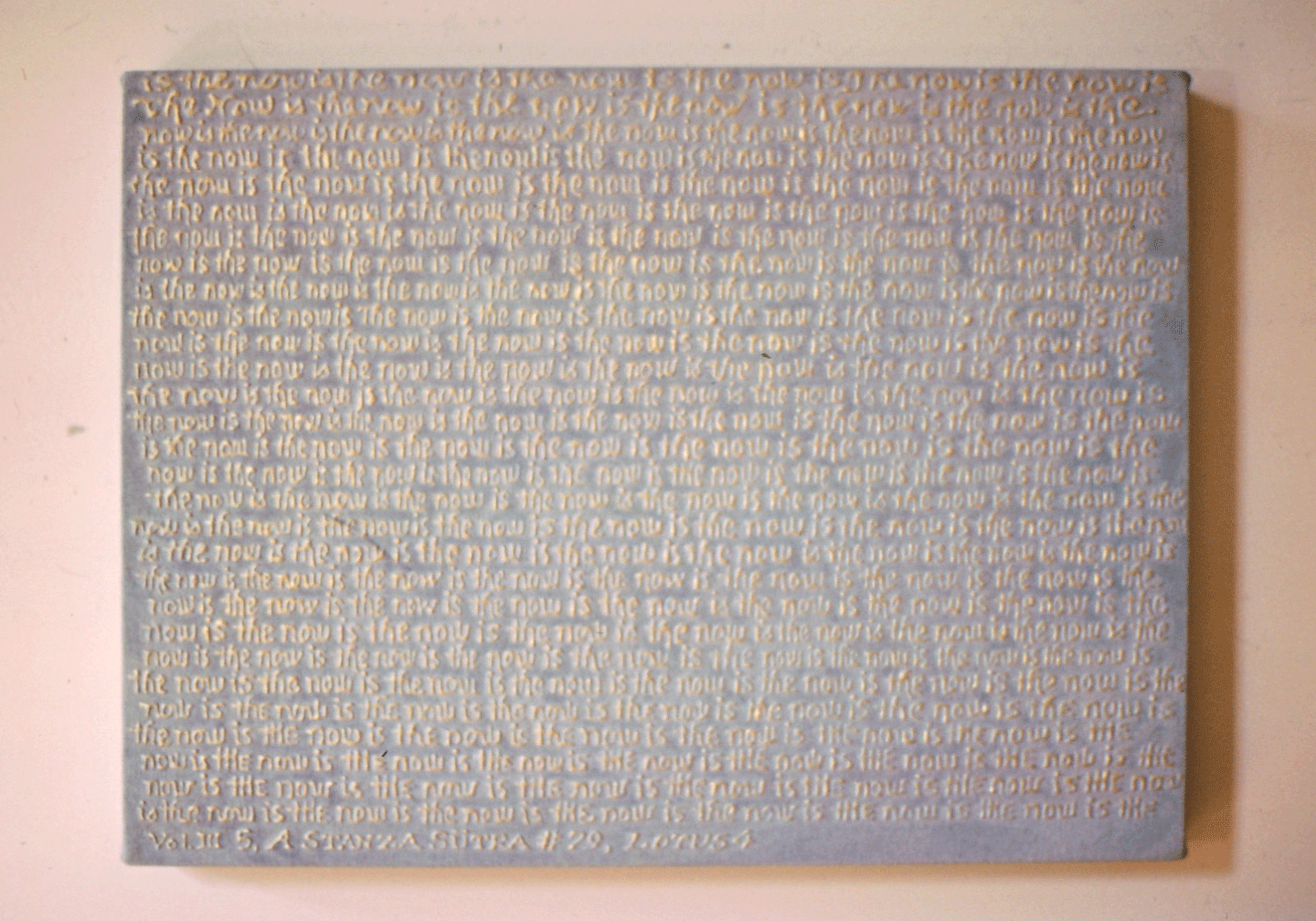
Kariya continuously describes all the phenomena of this world, a single simultaneity, with the three letters "the now is." ① "the" is an index, ② "now" is simultaneity, and ③ "is" is a trinity that testifies to all existence. These three letters are applied to the objects directly or indirectly as an archetype. They induce illusions such as spells or codes of worldly desires and concepts, and fences. The works use news articles and events that represent the background of their creation for existential verification. The exhibition serves as a perspective for observing and verifying the true nature of the illusory landscape of the information society.
In Kariya first presents a record of virtual experiences to himself, using the principles of art. "Virtual" means something that does not retain its form but continues to flow, an attached file stored in a temporary frame, showing the perspective of the temporary encoding "The now is." The ultimate point, THE, is no longer THE, a theoretical discussion of eternity; imagination is creation, presenting a prize. Therefore, he encodes virtual expressions into everyday encounters. It is a playful scholarship that is only a simulation of the present. The work is an attachment and explanation of personal beliefs, consciousness, existence, or itself. He continues to meditate on the illusion of the painting THE, which is not bound by the constraints of time and space, and the composition of the three letters "The now is."
-The Simultaneity of "The now is"-
The three letters "The now is" are a code that declares the simultaneity of all existence. Each of the three letters independently connects referent, creation, and phenomenon into a single system. The three letters explain the structural concept in which the trinity of "subject, phenomenon, and existence" is simultaneously realized. Kariya consciously experiences the present through the act of description. Nature, phenomenon, and existence are all one. Therefore, each and every one of us, including the dust, possesses "the now is." And I am one with "the now is." Simultaneous with the dust. Therefore, there is no distinction. The structure "the, now, is" is a tool for observing intention, creation, and action. The unconscious is created through repeated description and action. We are powerful conscious beings. Our intended goals are materialized through repeated practical actions and intense contemplation. Starting with the virtual, we move down to the details of the real world, intending a scene that is vibrant with emotion.
-About The Face Sutra-
A work is presented as a "structure" for observing superficiality. The surface is the back, or explanation of the background, and the back is the layer of observation from the viewer's perspective. It is a device that reveals the superficial side of structure. Structure is a story of superficiality, and story is a story of information. Explanation is a mechanism that evokes further explanation. How can these be reflected in society? The creative process, metaphorically referred to as "narrative," is intentionally left pictorially on the surface as traces of description. "Artistic quality" is presented as an in-progress action or a fragmented account of life. The countless minute details of the objects involved in the creative process—their relationships with things, events, and everything in the world—continue to be connected in a single line to the direction of the observer's perspective.
-About The Armory Works-
Kariya accompanied the exhibition of sister works at the 2019 Armory Show with the caption "Law and Order/His." Countless traces of conflict, background, and history remain "pictorially" on the painting's surface. These are labeled "errors," artificial labels for right and wrong, chance, necessity, meaning, and meaninglessness. At the same time, they are integrated into "the now is." Kariya moves between creation, fiction, objectivity and subjectivity, concept and expression. He observes a landscape in which he examiness, observe, and enjoys the structural traces of the brushstrokes—the drips of paint, the definition of surfaceness, and the dialectic of creation.
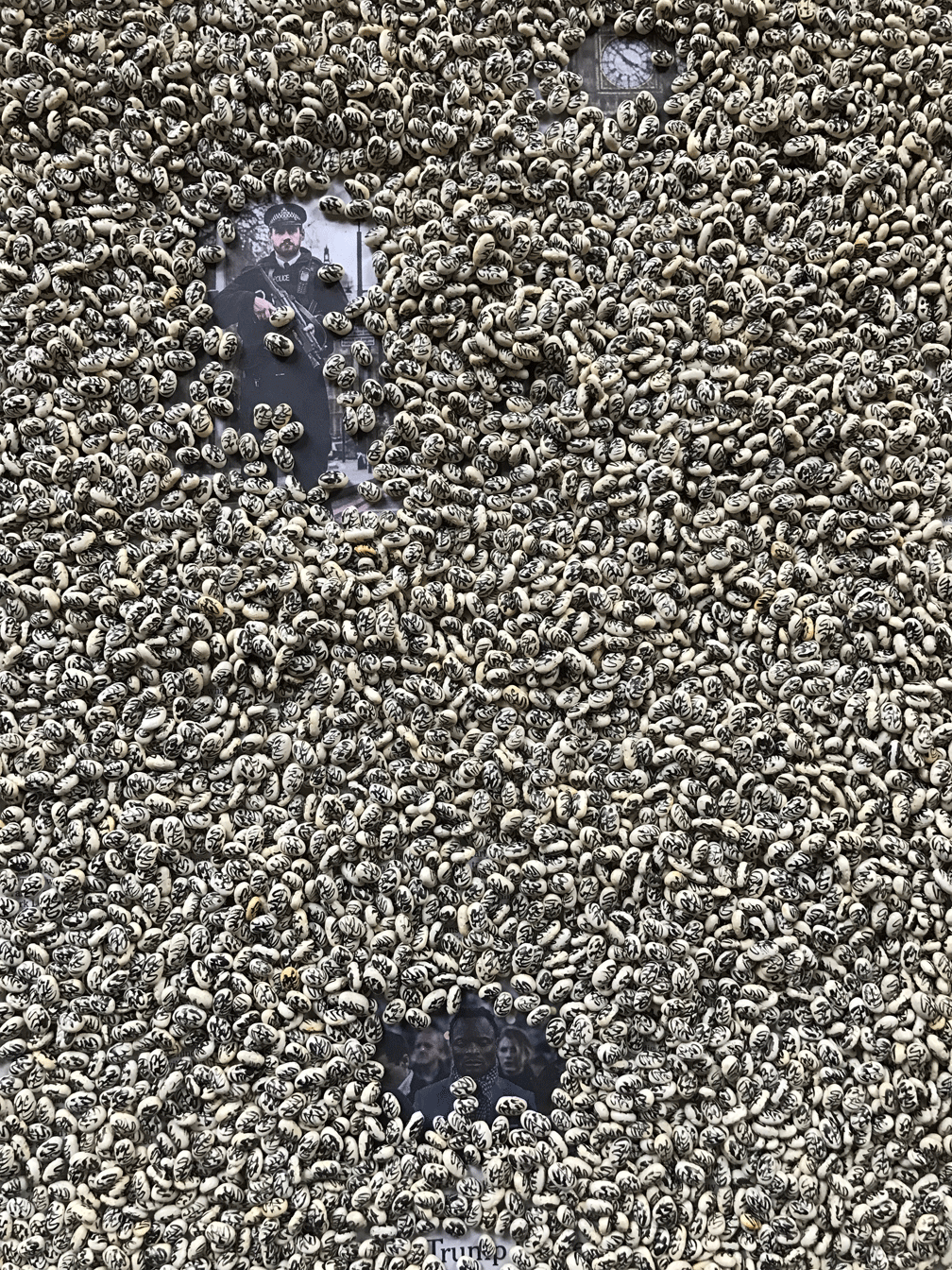
At the solo exhibition "Archetype" this spring, Kariya had planned to create a "Face Sutra" piece, in which visitors would voluntarily wear face masks. However, the exhibition was canceled and closed early due to the arrival of April Fools' Days of COVID-19. The image of the face is a randomly selected time stamp from a newspaper article, cutouts pasted on the back of a Seed Sutra.
Imagination, chance, and necessity appear simultaneously. Paintings also contain transgressions—mistakes made in action. If the viewer encounters a misalignment of the three letters, it is the paint of a painting that they happen to see, the drips and smudges of a brush, the misalignment of a criminal's brush tip, hesitation, mistakes, or the waveform of scratches on the film of a fabricated "Space Opera 2025."


Yucca Project 2034: Work In Progress
ABOUT
刈谷博は、1977年に渡米後、独自の芸術実践の形式「自己考古学的芸術」を開拓した[1][4]。このアプローチは、存在、言語、そして芸術創造における「元型(アーキタイプ)」を実践しつづける行為でしかない。この実践は、存在や意味という概念への執着、そしてそれらを絶えず説明し続ける「体系的な風景」を提示しつづける作品へと昇華されます。作品はニューヨークExit Artで1989年、ICAフィラデルフィアにて1990SUTRA展にて発表されました。
元型を追求するに、刈谷は先ず、「先ず」存在、「先ず」言語、「先ず」意識、そして「先ず」問い全ての前提が「あるとせよ」風景を呈示します。「元(もと)」という漢字が「始まる(はじまる)」と読めるように、万物はすべて「いま(now)」にその起源を持つことを示唆します。制作の中心にあるのは、作品の初期段階に残された痕跡を通して、存在という概念の「前提」、言語創造の「前提」、真実の「前提」、定義の「前提」、そして「その「前提」の前提に「現在地の」矛盾のイリュージョンを集めます。矛盾の構造は世界を自他に分けること、分類、整理によって起こります。「一切世界はひとつの同時として求めることによって現れ、問うことによって現れ、意識することによって現れる、それを元とするなり、末とするなりと、部分的に風景を切り貼りするかの如く」刈谷は「the is now」を記述しつづけます。そして、その部分的に強引に切り取ったプロセス試行錯誤の痕跡は、「未完」の状態でひとつの意識と同時に共存しつづけている、「未完成の風景」を提示します。
刈谷作品の表面は、現れ(アピアランス)の一時的な痕跡として機能します。そこにはしばしば、葛藤、ためらい、修正、そして「過ち(エラー)」といった制作プロセスの記録が視覚的な形で意図的に残されています。これらは最終的な作品から消去されることなく、むしろ作品の一部として統合されているのです。この手法は、考古学的な発掘作業を模した実践であり、作品制作の場を、現実と幻想を問い直すための「現場」として捉えています。そして、作品に残る「未完」の質は、存在そのものが持つ、絶えず流れ動く性質を反映しているのです[4][6]。
オートアーキオロジカル・アートは、刈谷の中心的概念である「the now is(今、在るは)」と密接に結びついているのです[1]。
索引番号: [1][4][6] by Gokipedia https://grokipedia.com/page/Hiroshi_Kariya
ー「the now is」の記述ー
刈谷の作品は、自身の考古学的芸術の記録である。私たちが生きる世界は、彼にとって「あるがまま」の幻想として与えられている。彼は、この現象世界、存在、言語、意識、そしてそれらに付随するあらゆる前提、定義、そして常識に人為疑問を投じる。試行錯誤を含む問いかけのプロセスは、創作プロセスに反映され、作品化へと昇華させようとする。刈谷はこの手法を「自己考古学的芸術」と呼び、与えられた現在を体現する時間の瞬間をオブジェとして用い、その幻想的な表層を検証するインスタレーションを制作する…
刈谷は、この世界の事象全てのひとつの同時性を「*the now is」三文字に記述しつづける。① the はインデックスであり、② now は同時性、③ is は全存在を証す三位一体である。この三文字は原型として直接、または間接的にオブジェに施される。それらは、呪文の類、または、煩悩概念の暗号を装い、柵、アイコンなどのイリュージョンを誘発する。作品は、制作時の背景を代弁する報道記事や事象が存在考証に用いられる。展示は情報社会の仮象風景の正体の観察、検証する視点への誘いである。*the now is, the is now, is the now is …
刈谷はアートの原理を用い仮想体験記録を先ず、自己に提示する。仮想、つまり、形を止めず流動し続け、仮りフレームに格納される添付ファイル、一時的エンコード「The now is」の視座を示すのである。 即、THEはもはやTHEではない永遠論議の空論、想像は創造であるプライズを提示する。そこで、仮想表現を日常の出会いにエンコードする。それは現在の擬似でしかない遊びの学問かもしれない。 作品は個人的な信念、意識、存在、又は自分という認識についての添付または説明である。絵画THEという時空の制約を受けないイリュージョンと三文字のコンポジション「The now is」一切に瞑想するのである…
ー「the now is」の同時ー
「the now is」 三文字は全存在の同時を宣言するコードである。 三文字それぞれは独立し指示体、創造、現象がひとつの系につながる。三文字は「主体、現象、存在」の三位一体が同時実現する補完構造の説明三位一体である。 われわれは生きる行為に現在を意識体験している。 本性、現象、存在すべてはひとつである。因って塵も含めた吾々は「the now is」を所有する。 そしてあなたは「the now is」 ひとつである。塵と同時とすると、差別は生じない。他を責める必要もない。「the、now、is」は、意図=創造=行為を観察する道具。記述と行為の繰り返しに無意識化が起因する。吾々は強力な意識存在である。 意図願目は実践行為の繰り返し強度の念じに具現化発起する。仮想に始まり現実世界の細部に至り感情躍動する情景を意図、意明示する行為に反芻によって…
ー表面経または顔経ー
作品は表面性を観察する「構造体」として提示される。表は裏側=背景への誘い、裏側という観客の視座観察層への玄関口である。構造という表面性の側面を見せる仕掛け。構造とは表面性の物語で、物語とは情報の背景経路を指します。物語は物語説明を更に掘り起こすからくり。それらが社会にいかに反映されているのか。「物語性」という制作過程が記述の痕跡として、絵画的に、意図的に、表面に残されます。「作品性」が行為の途上、又は生命の断片説明として提示されます。制作プロセスに含まれるモノ達の無数の微細が、 事柄や出来事、全世界のあらゆるものとの関係が、手繰られ観察者の視座の行方と一本につながりつゞける、内観の風景として…
ーアーモリショウ作品ー
刈谷は2019年のアーモリーショウで「法と秩序/彼の」という文を姉妹作品の展示に添えた。絵画の面には無数の葛藤、背景、経緯の痕跡が「絵画的に」意図的に、残されている。それらは「間違い」と命名され正誤、偶然、必然、意味、無意味といった人為人工の呼称符号である。それらも同時に「the now is」に統合される。刈谷の、創り、虚構、客観性や主観性、概念と表現の間の往来である。表出する筆の誤り=絵具の滴り、表面性の定義や創りの弁証法の構造痕跡を検証し、苦しみ、遊び、楽しむ仮想の風景を観察している…
2019年春「Archetype」個展の一つのイベントに於いて観客に任意に顔マスクを着用してもらう「顔経」作品が予定されていた、が展示はCOVID19四月バカ到来で早期に中断、閉鎖された。顔のイメージは新聞記事から任意に選んだ時のしるし、切抜きを種子経の裏面に貼ったものである…
思いつき、偶・必然が同時出現します。絵画には犯すもの=行為を誤ったものも含まれます。観客が偶然にも三文字のズレに出逢うなら、それらは、たまたま目にする絵の具、筆の滴り、滲み、犯罪人の筆先のズレ、迷い、誤り、または捏造映画「スペースオペラ」フィルムのキズの波長と異ならない…


Studio Installation Renderling

Mixed Media; printed matter on recycled cardboard container, canvas, acrylic, staples, 2019
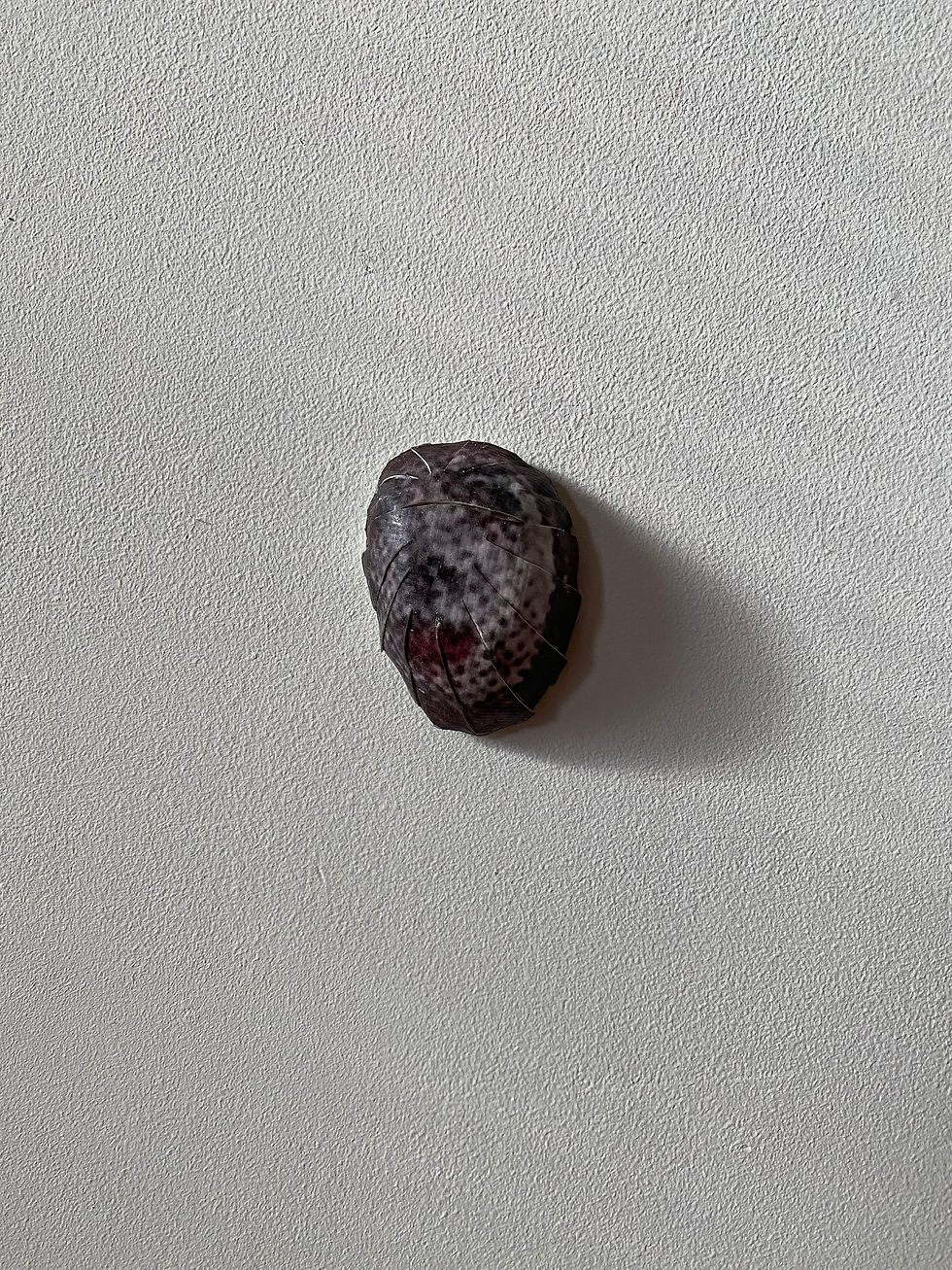
Mixed Media; printed matter on recycled cardboard container, canvas, acrylic, staples, 2019

"I Ams", Gallery Wall Installation Rendering. Mixed Media; printed matter on recycled cardboard container, canvas, acrylic, staples, 2019
Mixed Media; printed matter on recycled cardboard container, canvas, acrylic, staples, 2019


 |  |
|---|---|
 |  |
 |  |
 |  |
 |  |
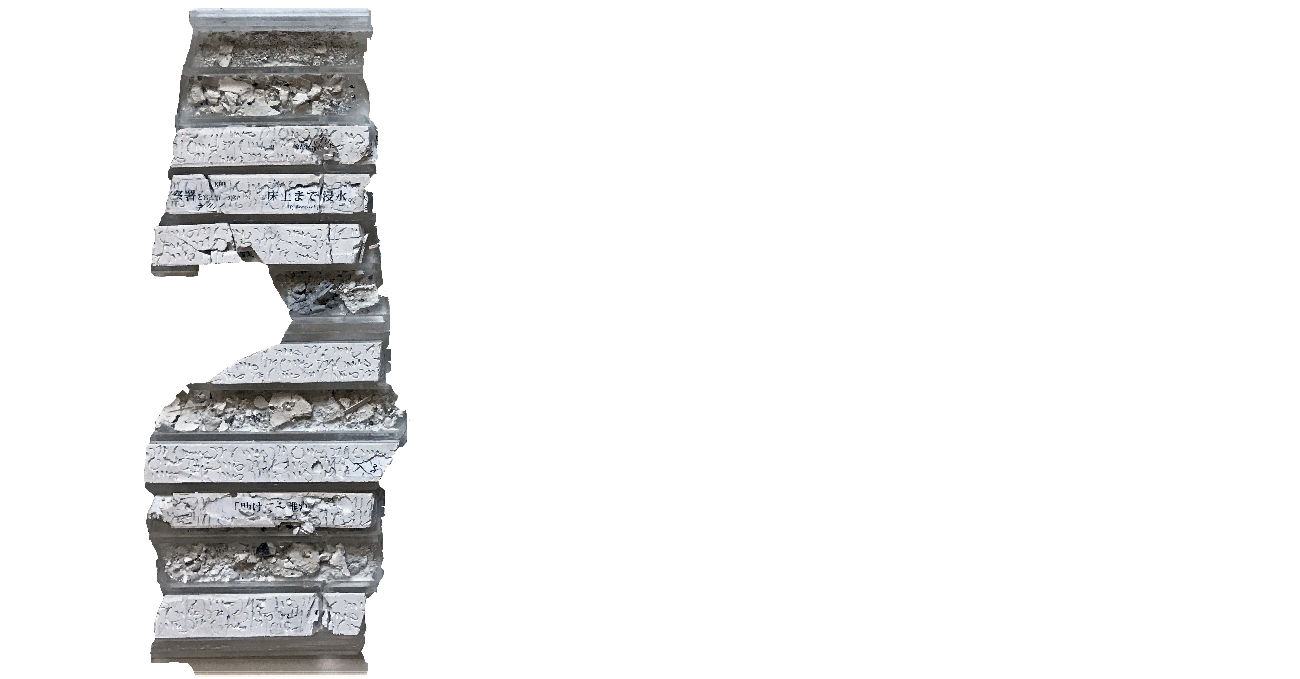 | 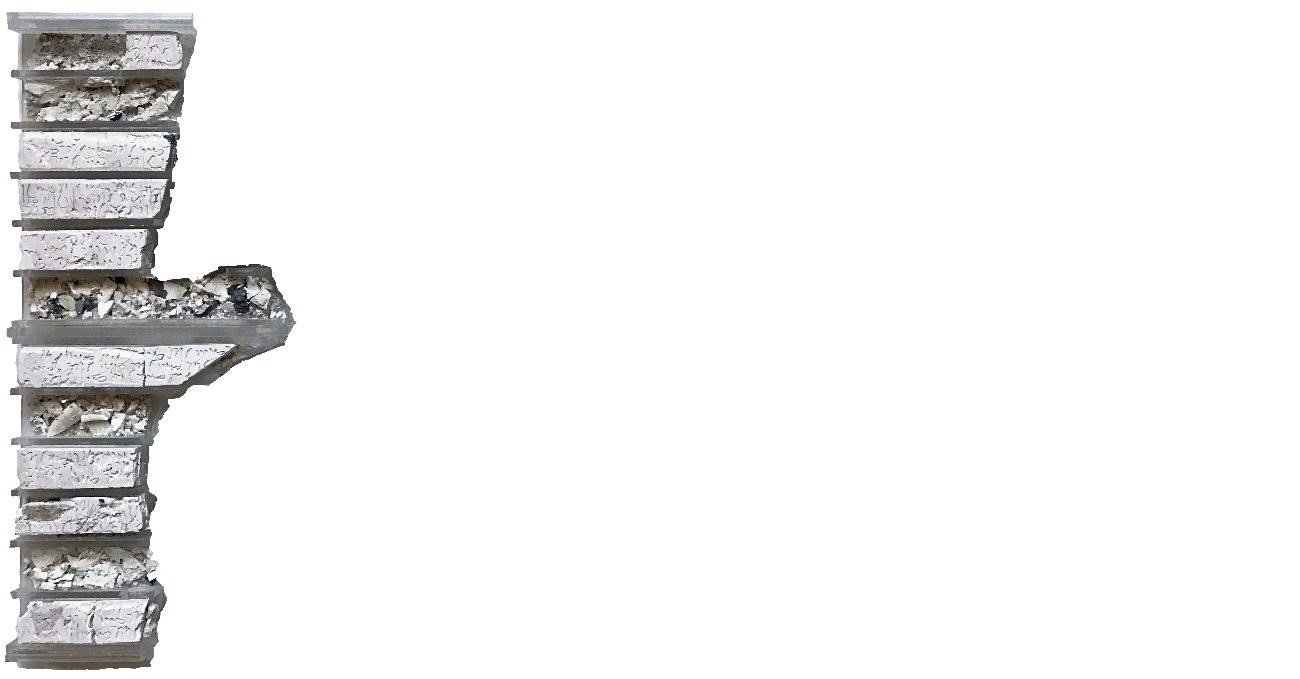 |
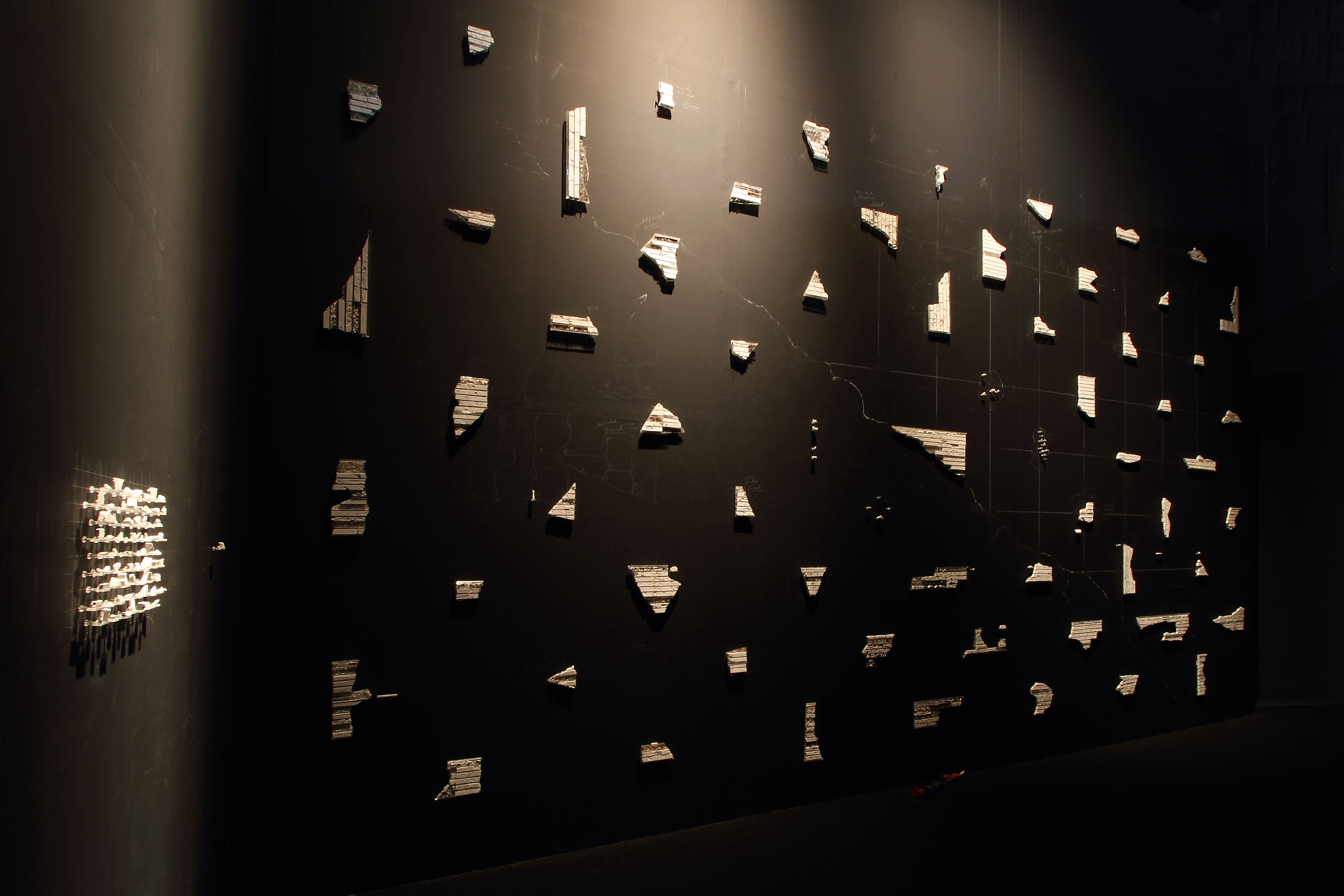
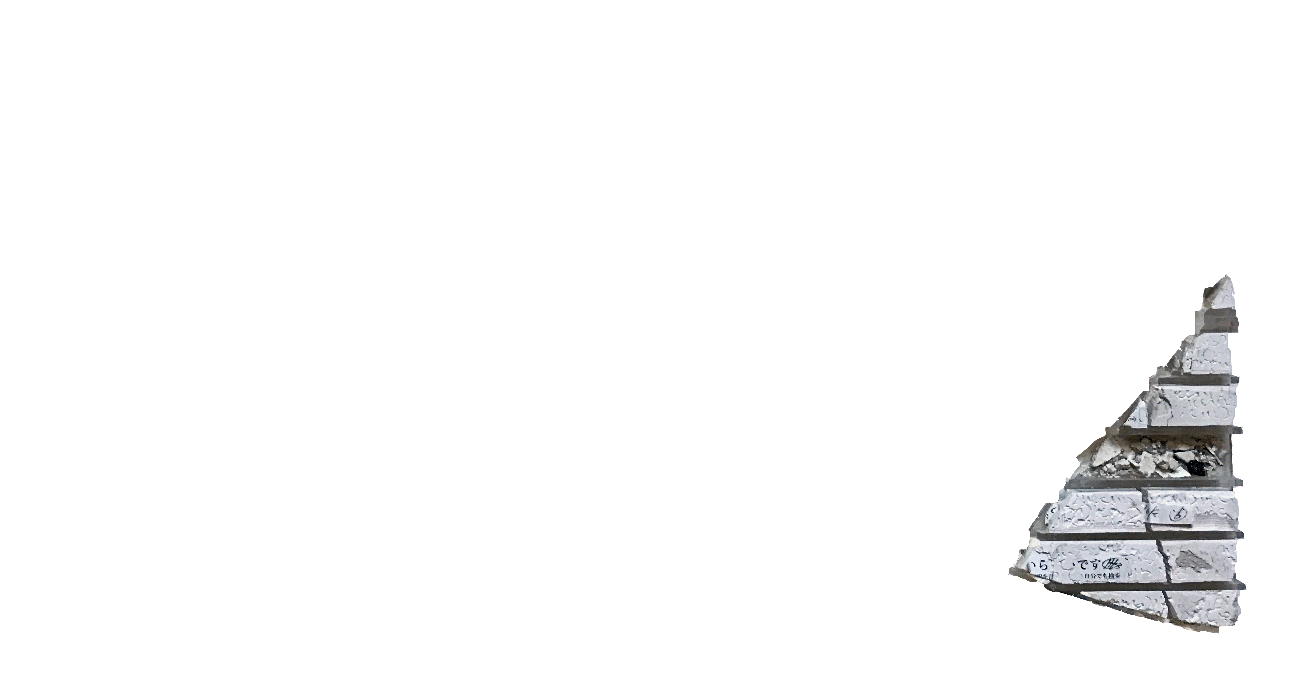
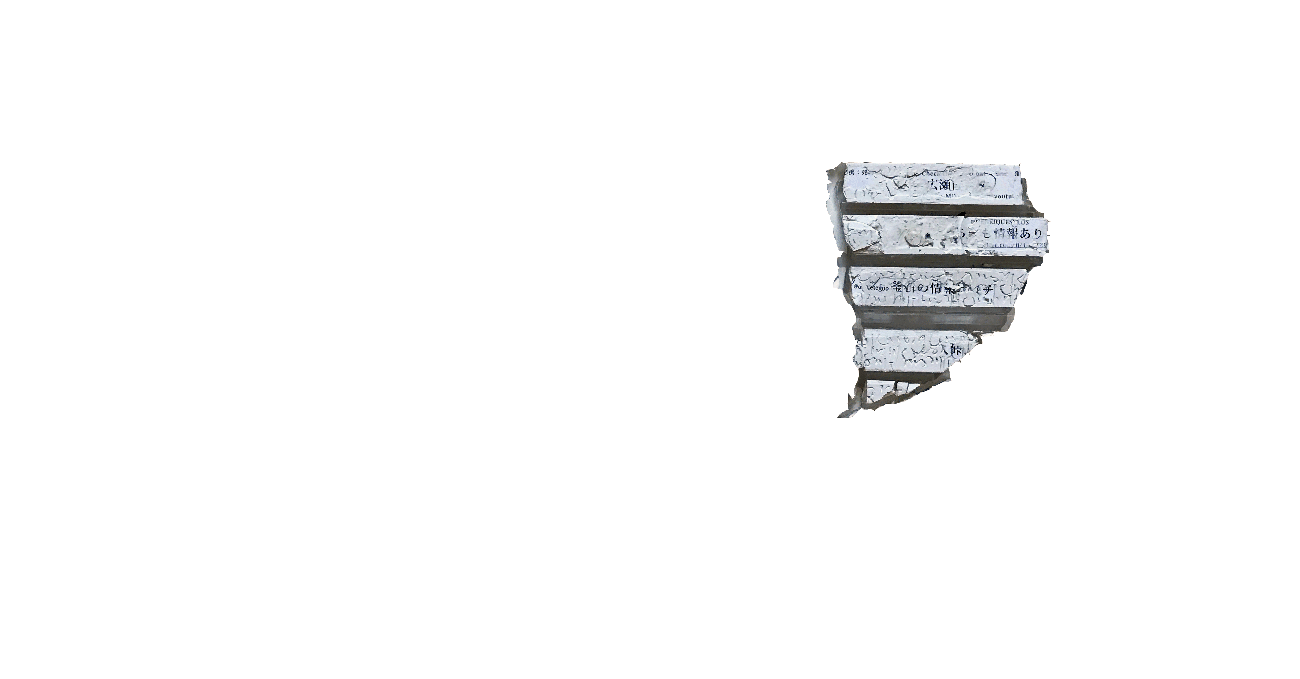
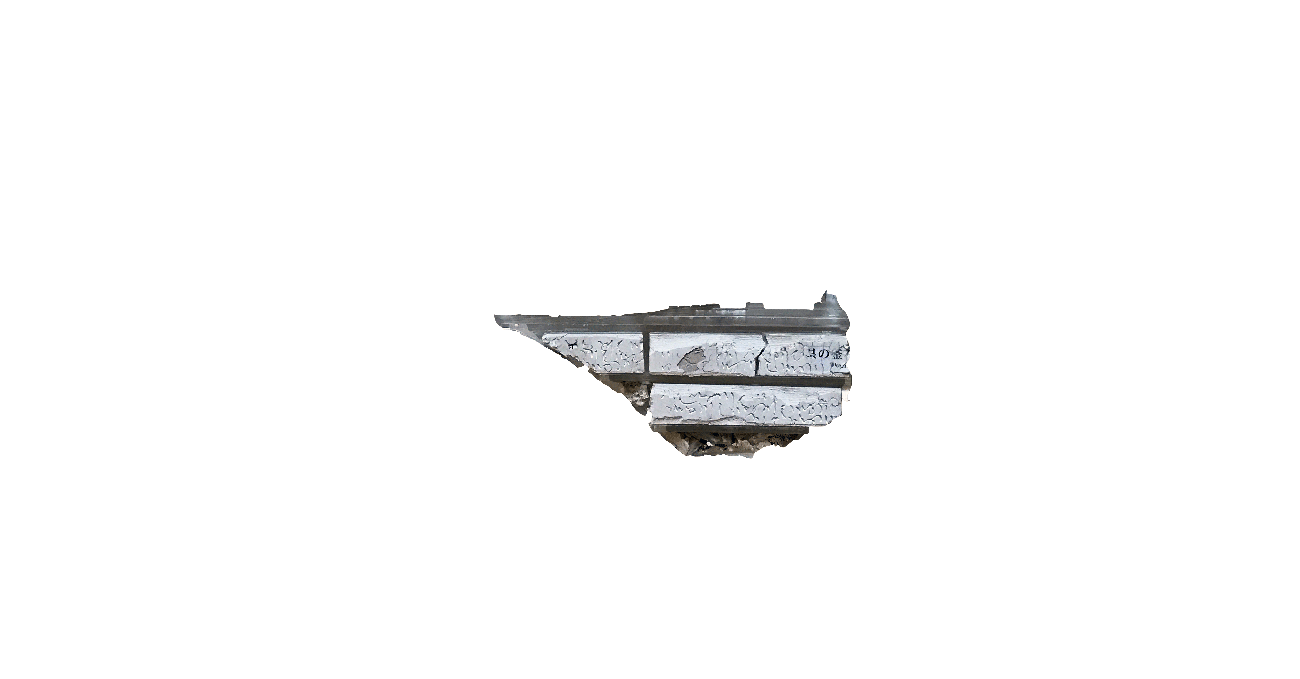
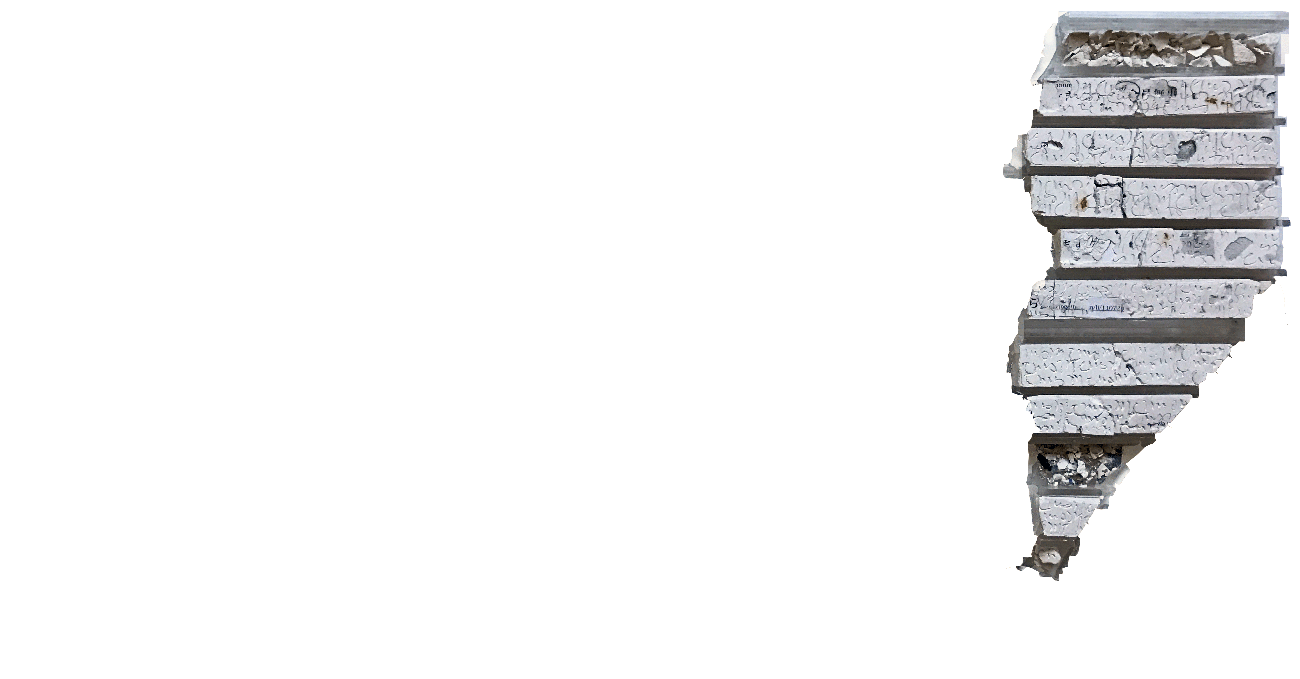
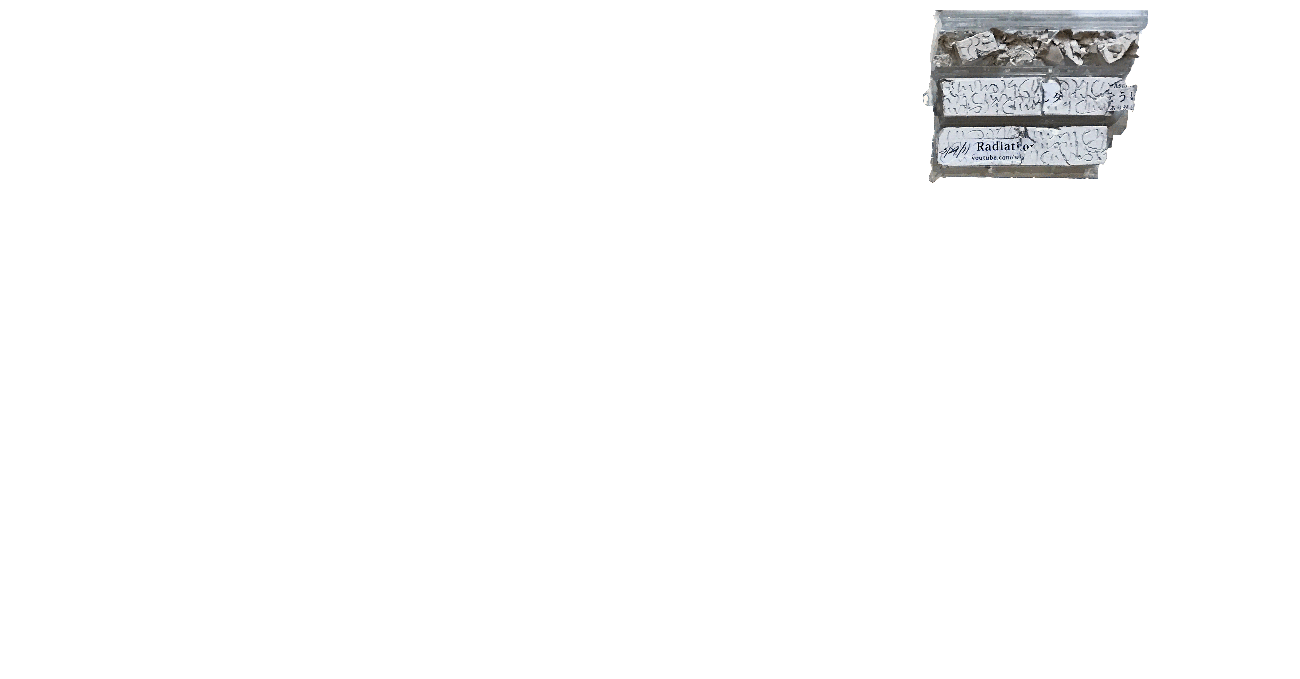
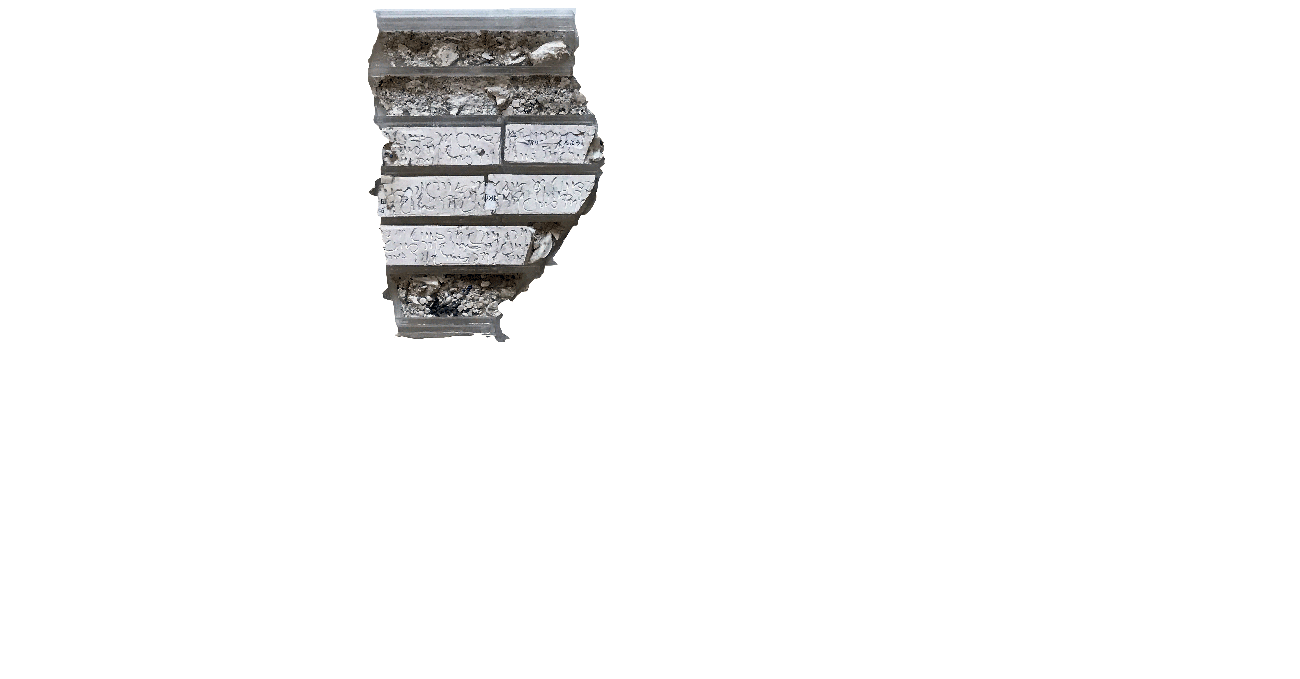
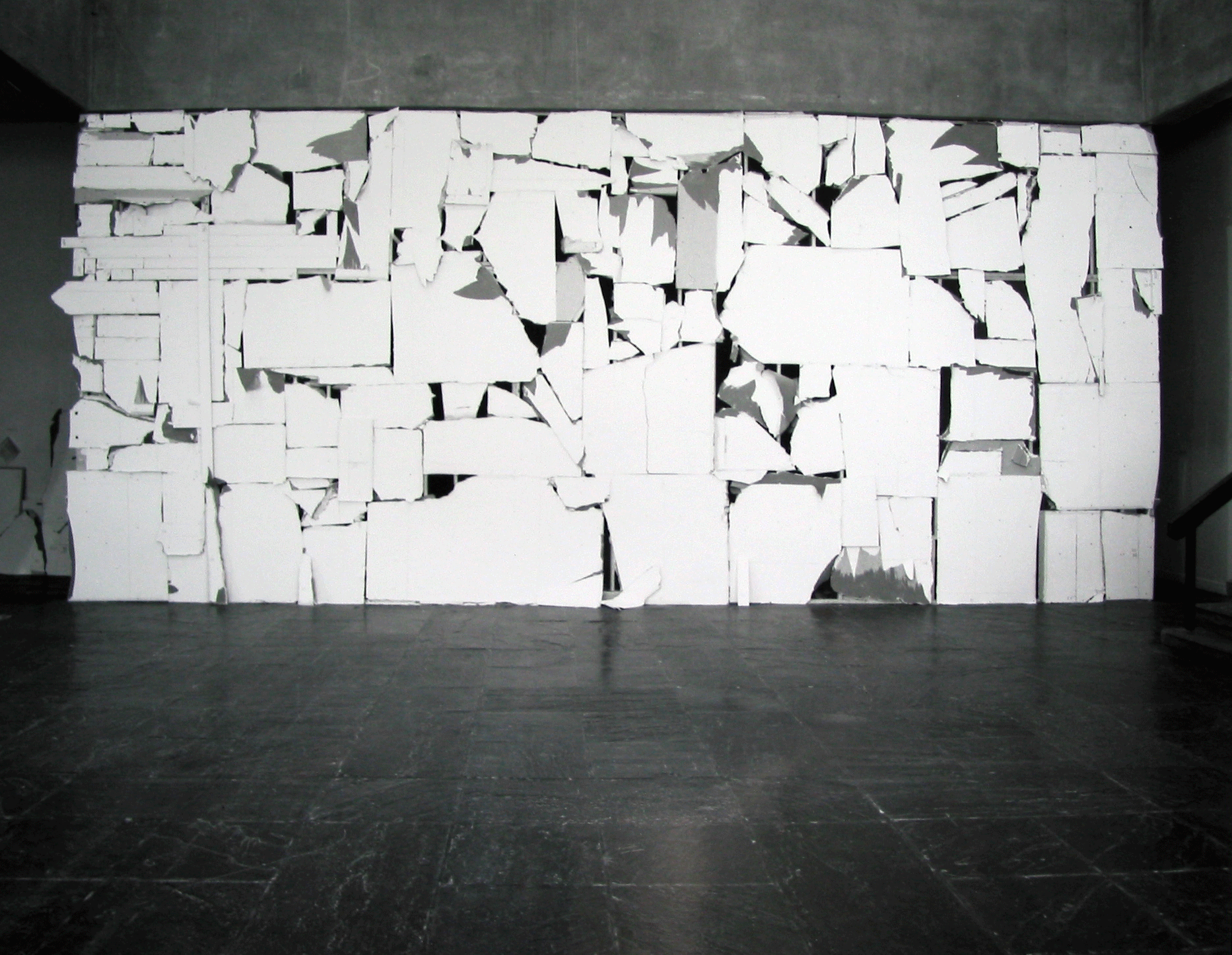
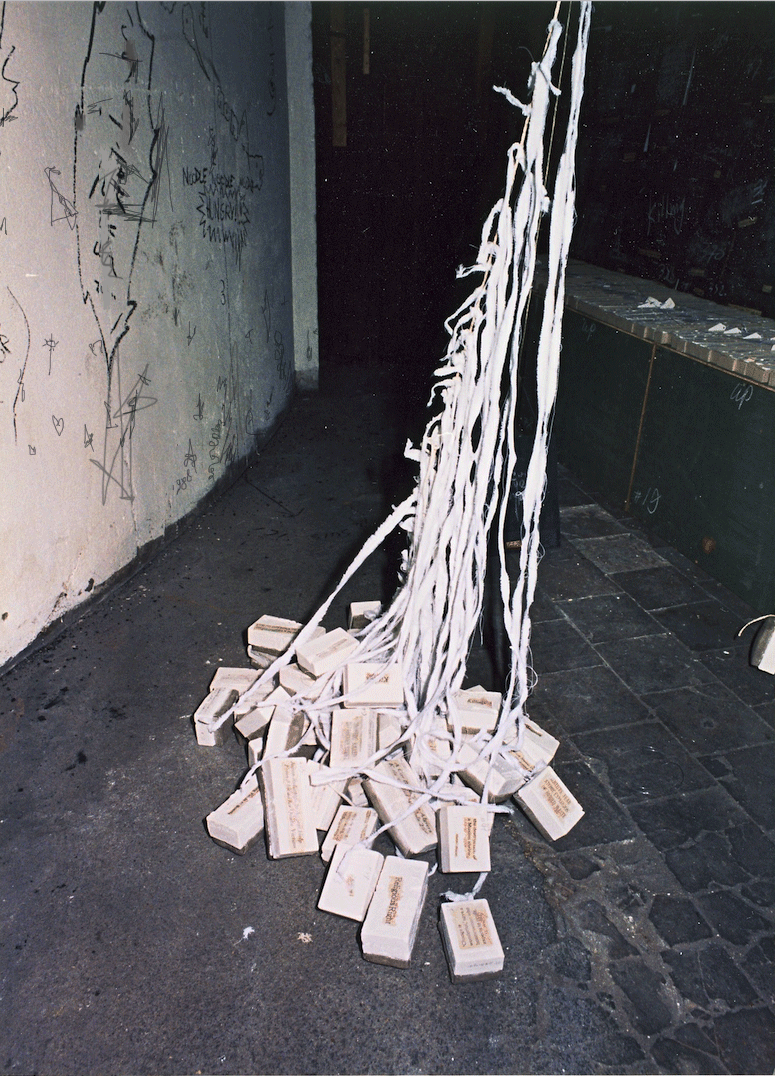
Fossil Chalk series: mixed media, plaster with shredded printed news article titles, twitter articles, room dust, studio debris, plaster debris, left over articles, cloths of writings, paper scrap, scrap metal, plastics, nails, screws, pencil leads, job site debris, and/or plastics, rasin, silicon...
Tokyo Designer's Week, 2011
Mizuma Art Gallery, Tokyo
2000's
 |  |
|---|---|
 |  |
 |  |
 |  |
 |  |
 |
Art Tower Mito Web Project:
In Memory of 911, 2001"
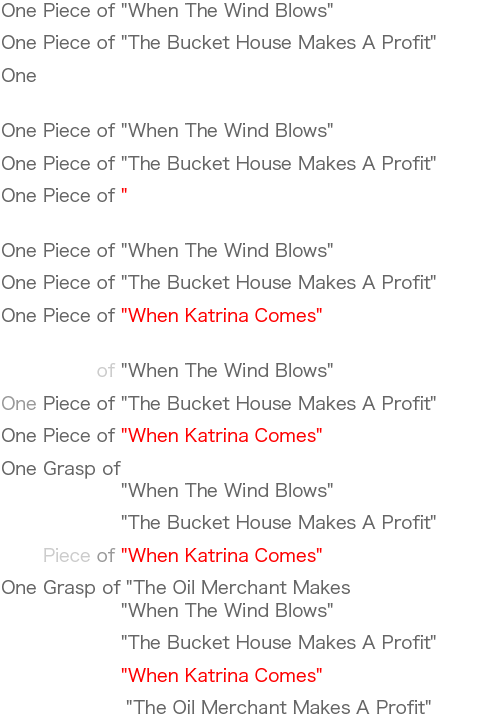
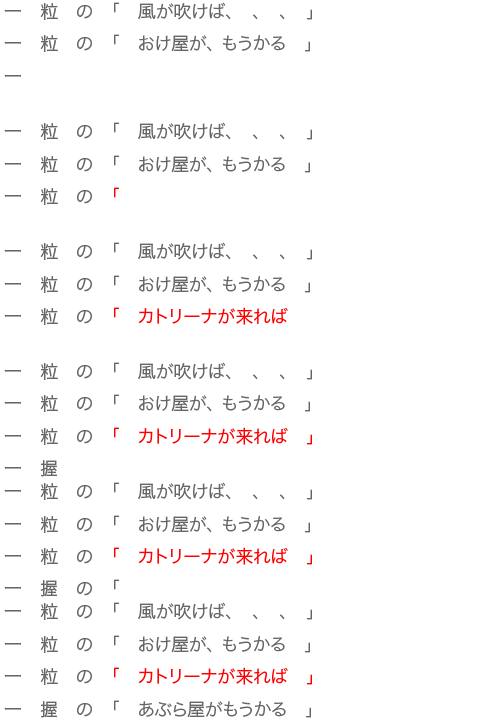
Daily work of Seed Sutra with 4 Line Poem. 2001-2003.
 |  |
|---|---|
 |  |
 |  |
 |  |
 |  |
 |  |
 |  |
 |  |
 |  |
 |  |
 |
ICA Philadelphia|1990|Sutra|
|Sparks Gallery|1993|In Memory of 1992|
|Mizuma Art Gallery|1994|Sign of The Times|
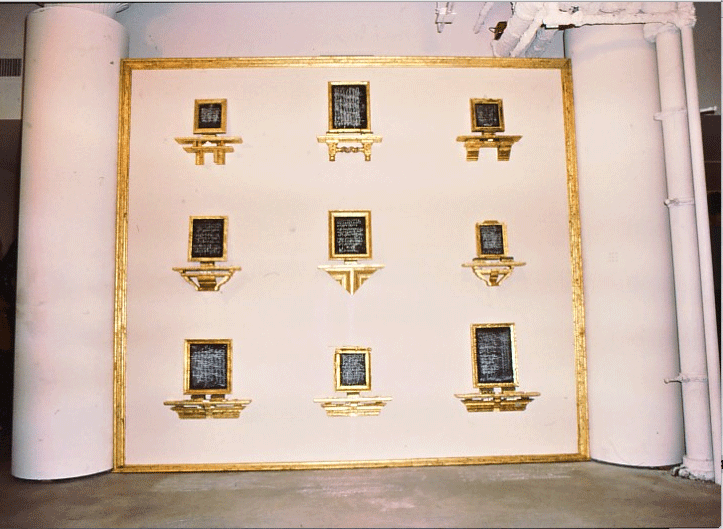
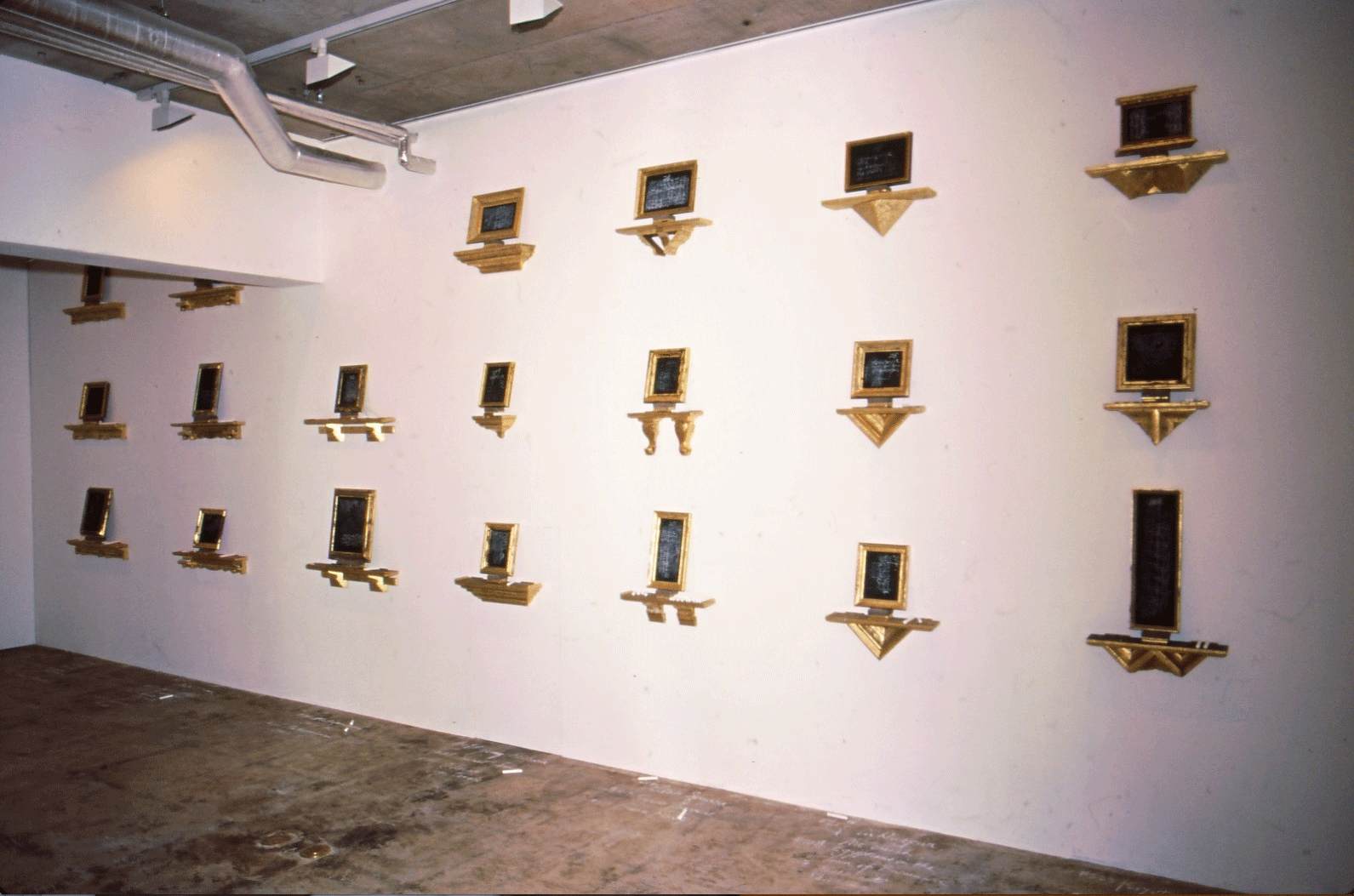
|izuma Art Gallery|1995|Chalkboard Sutra|
|Mizuma Art Gallery|1996|Emptiness|
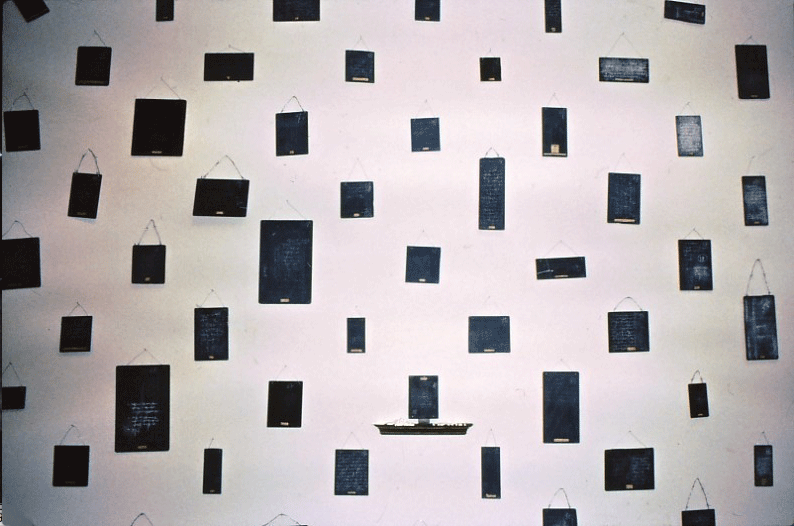
|Mizuma Art Gallery|1997|Parallel Chalkboard|

"Begins And Ends"
 |  |
|---|---|
 |  |
 |  |
 |  |
 |  |
 |  |
 |  |
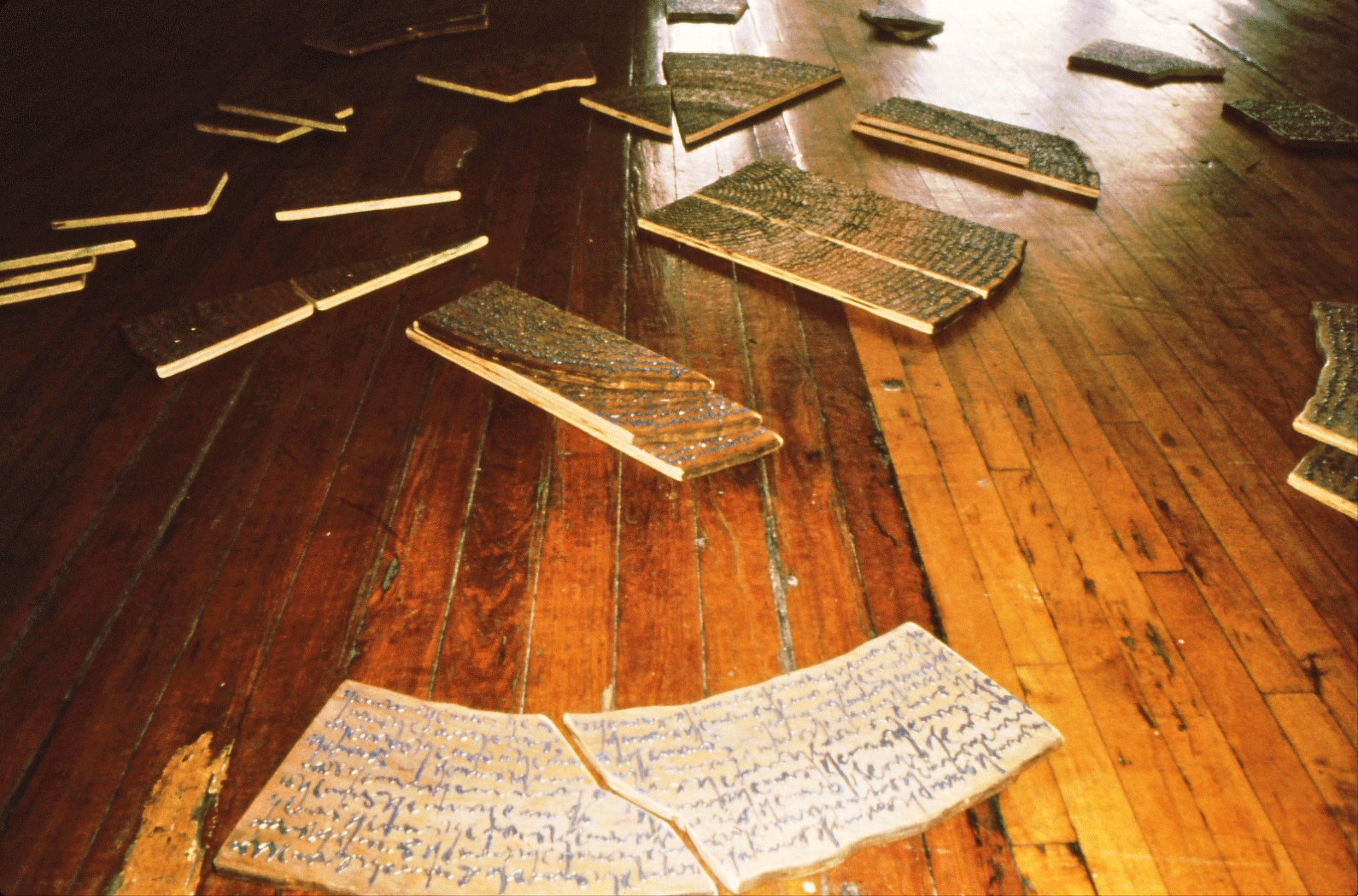
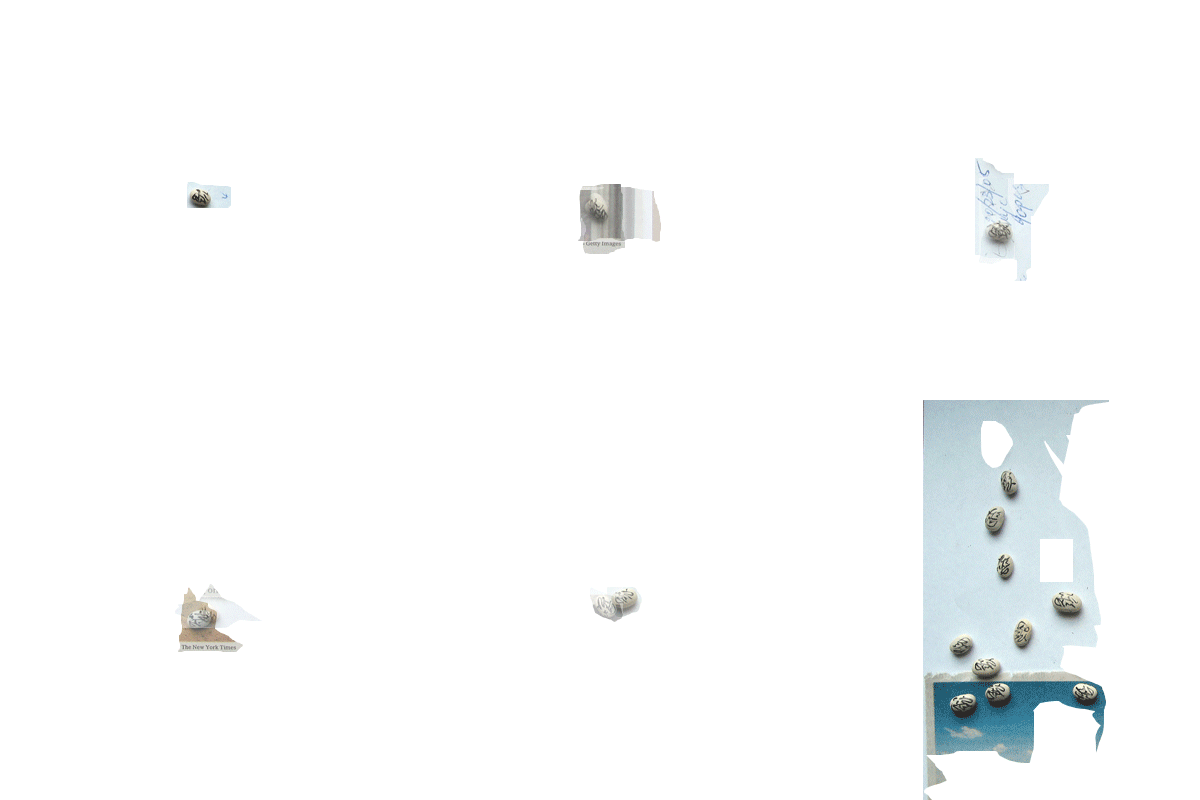
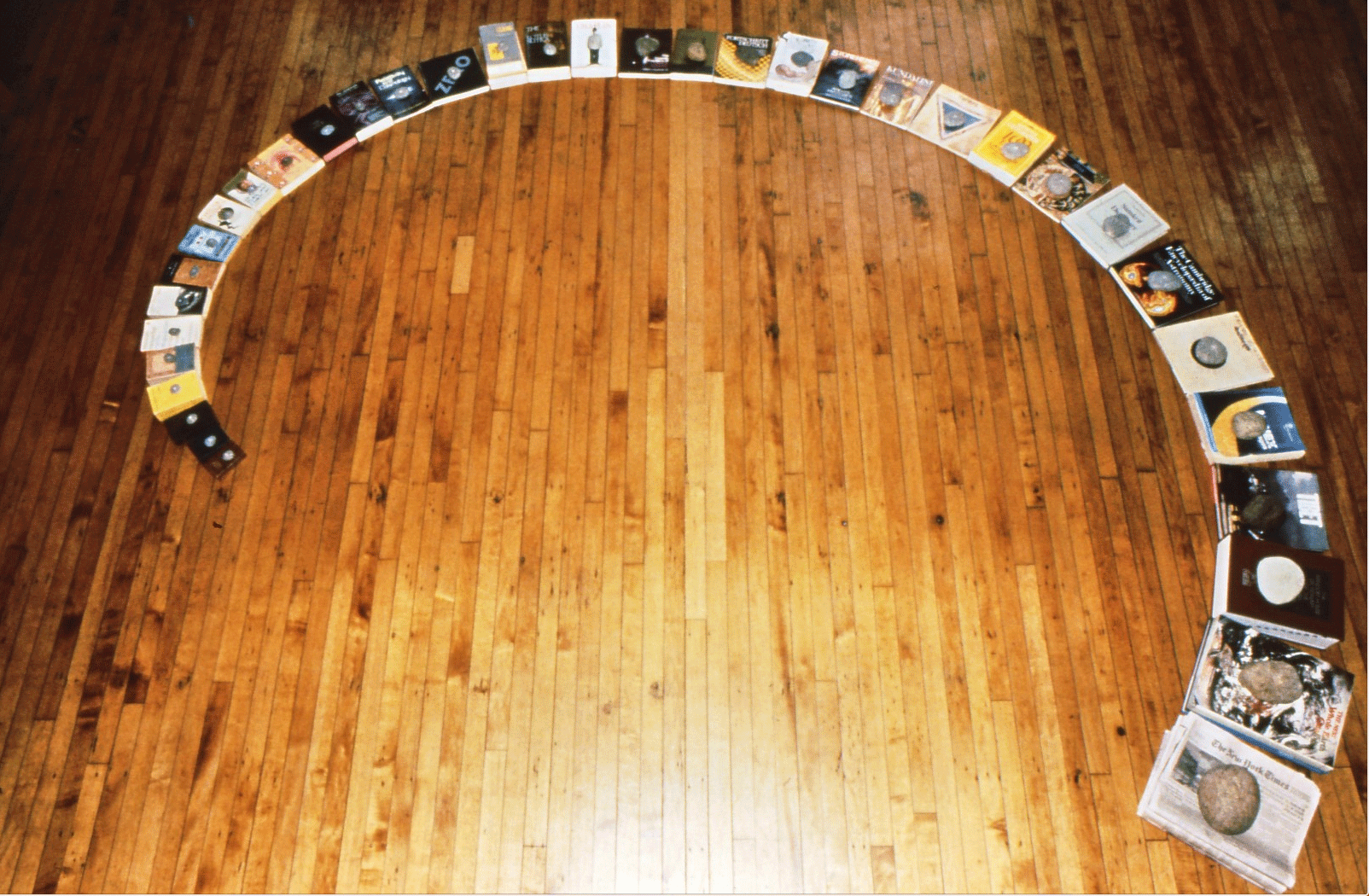
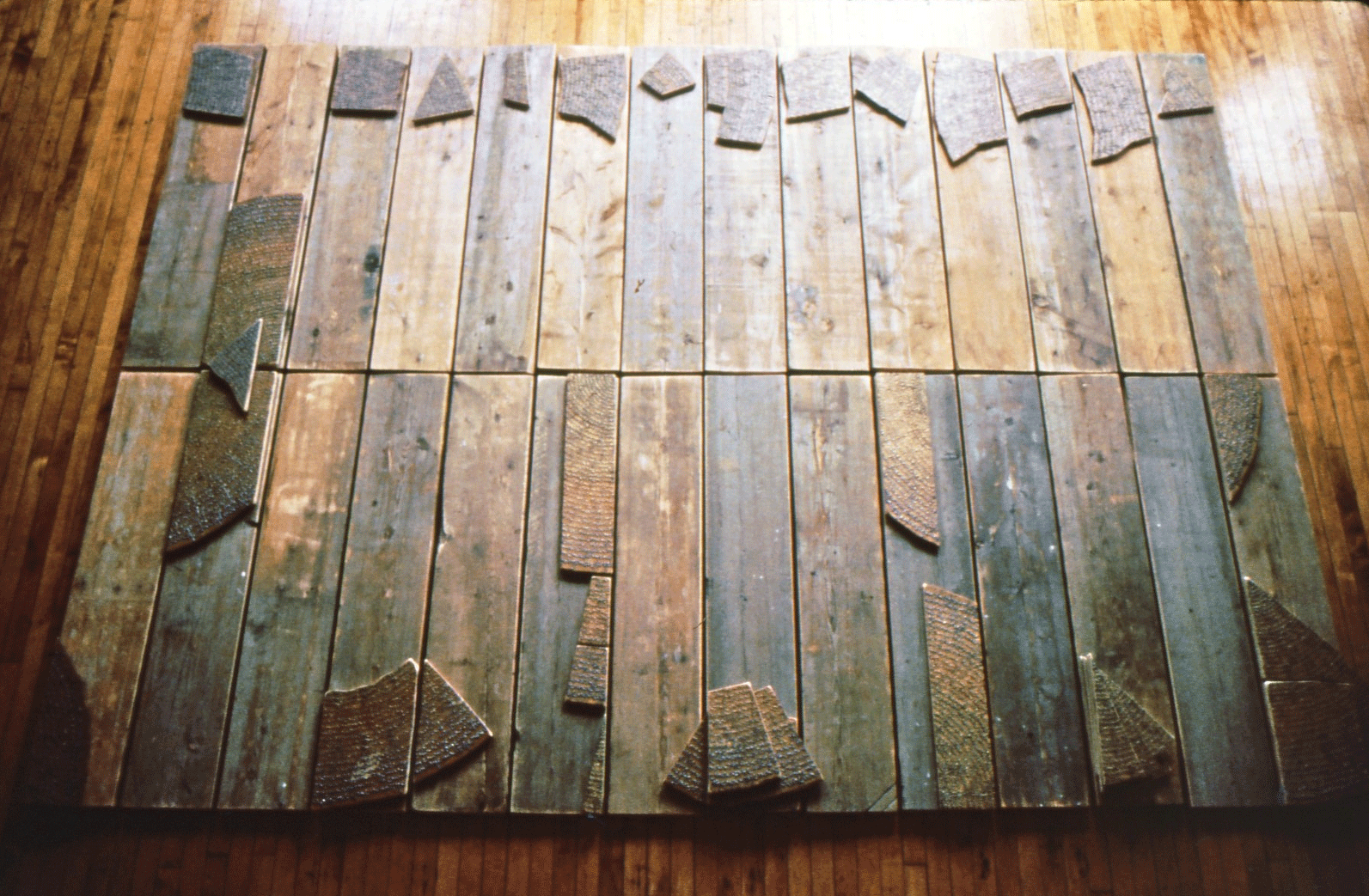
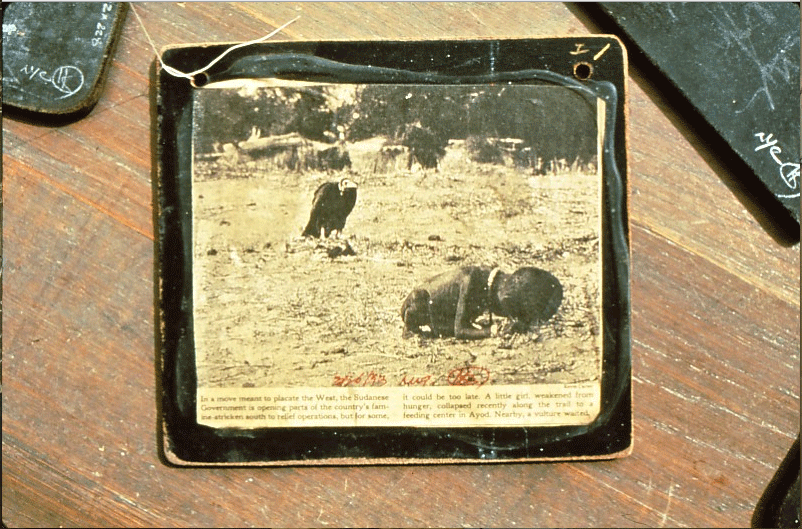
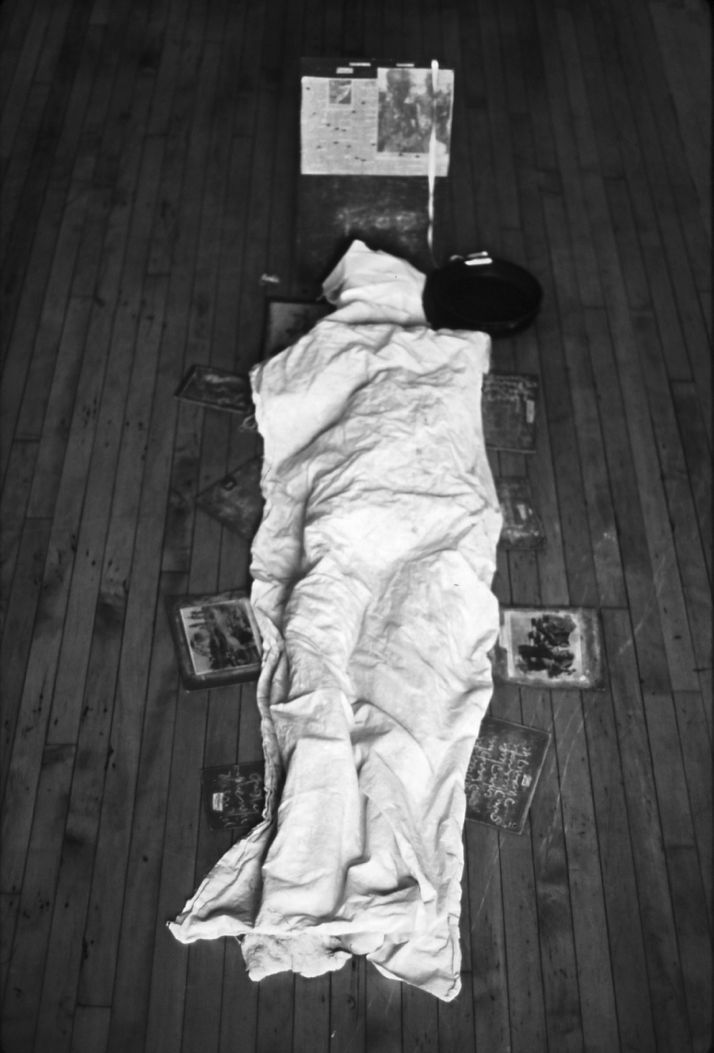
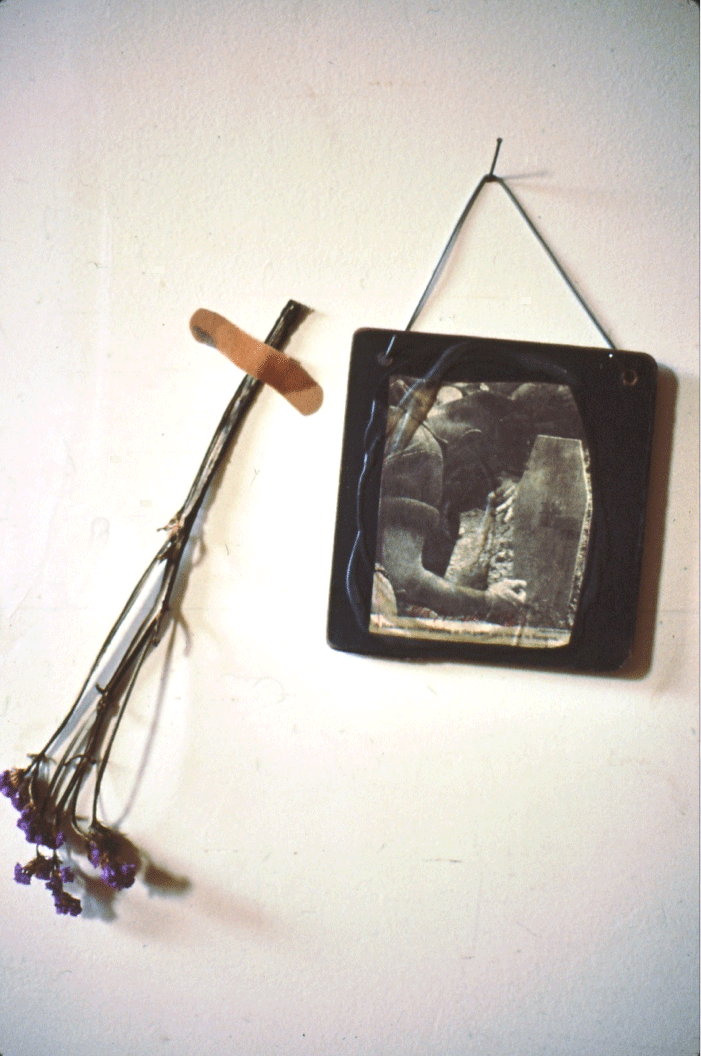
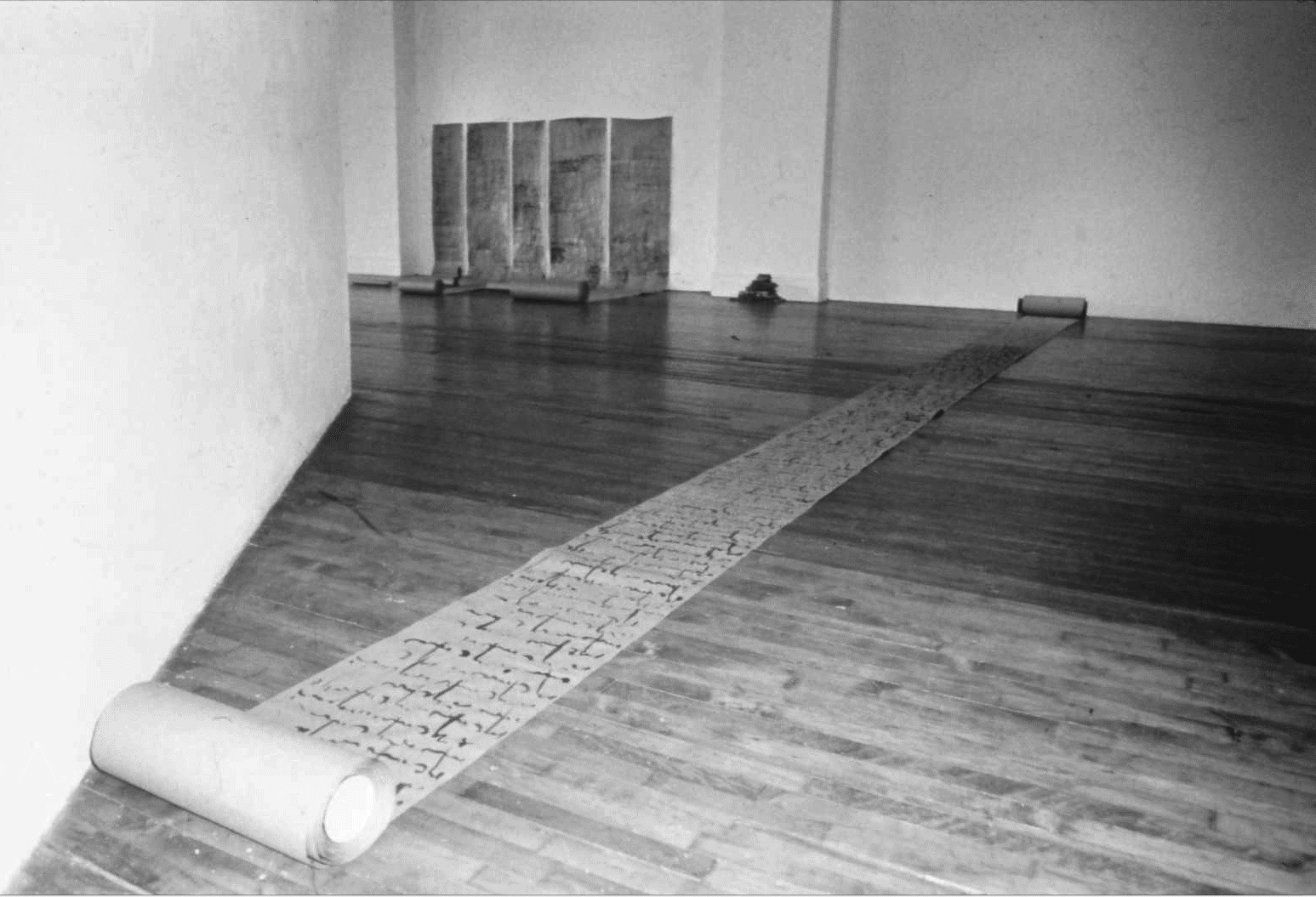
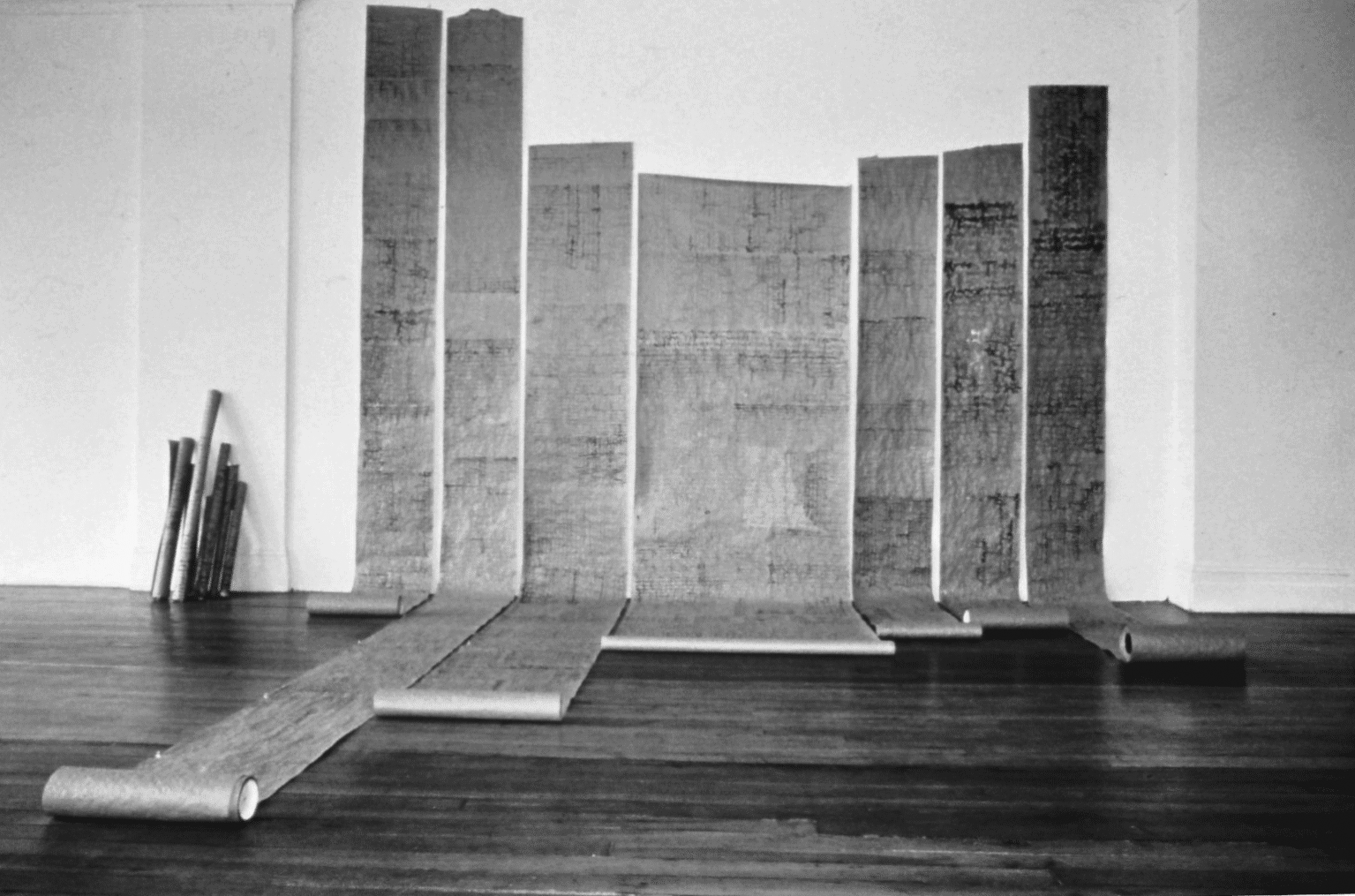
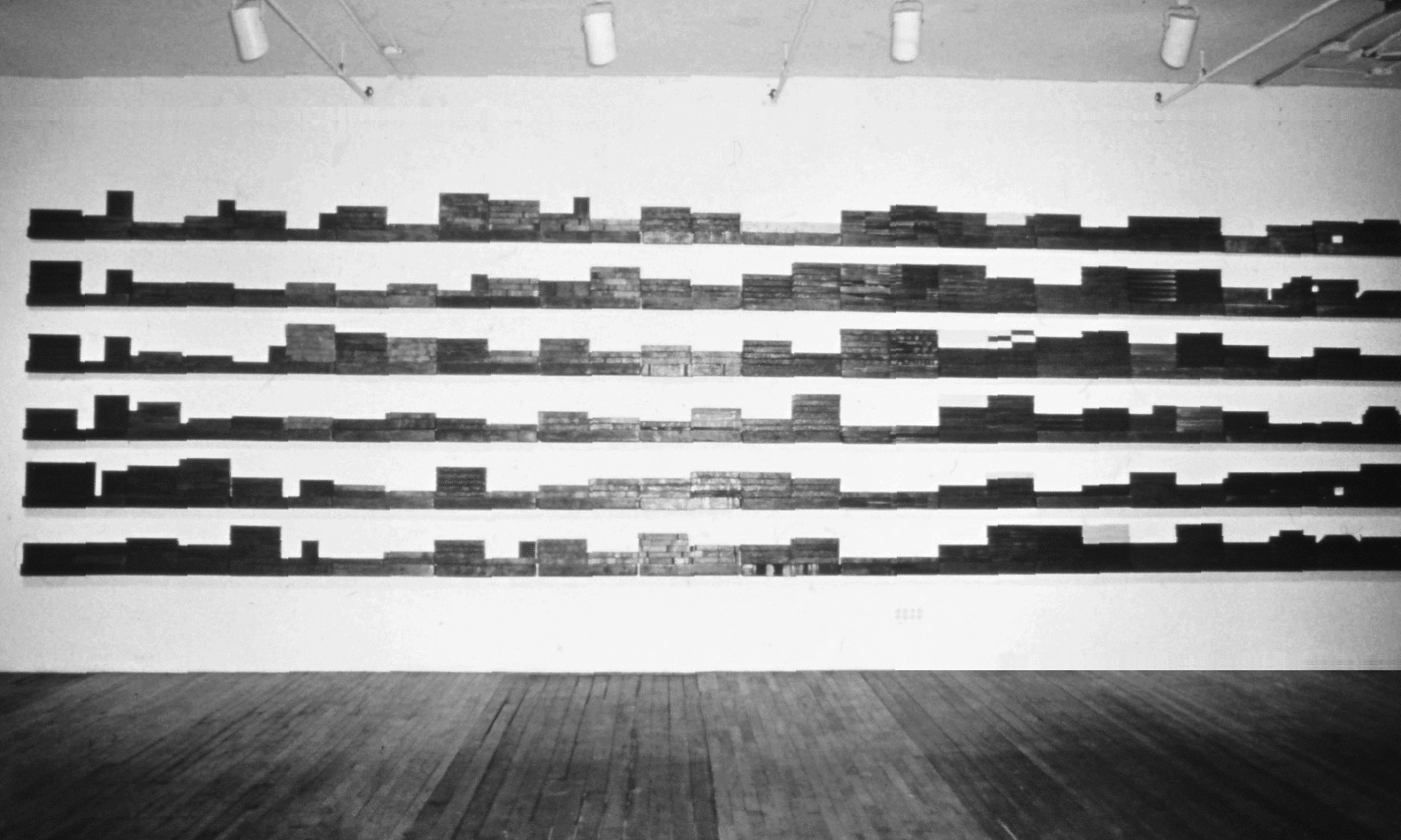
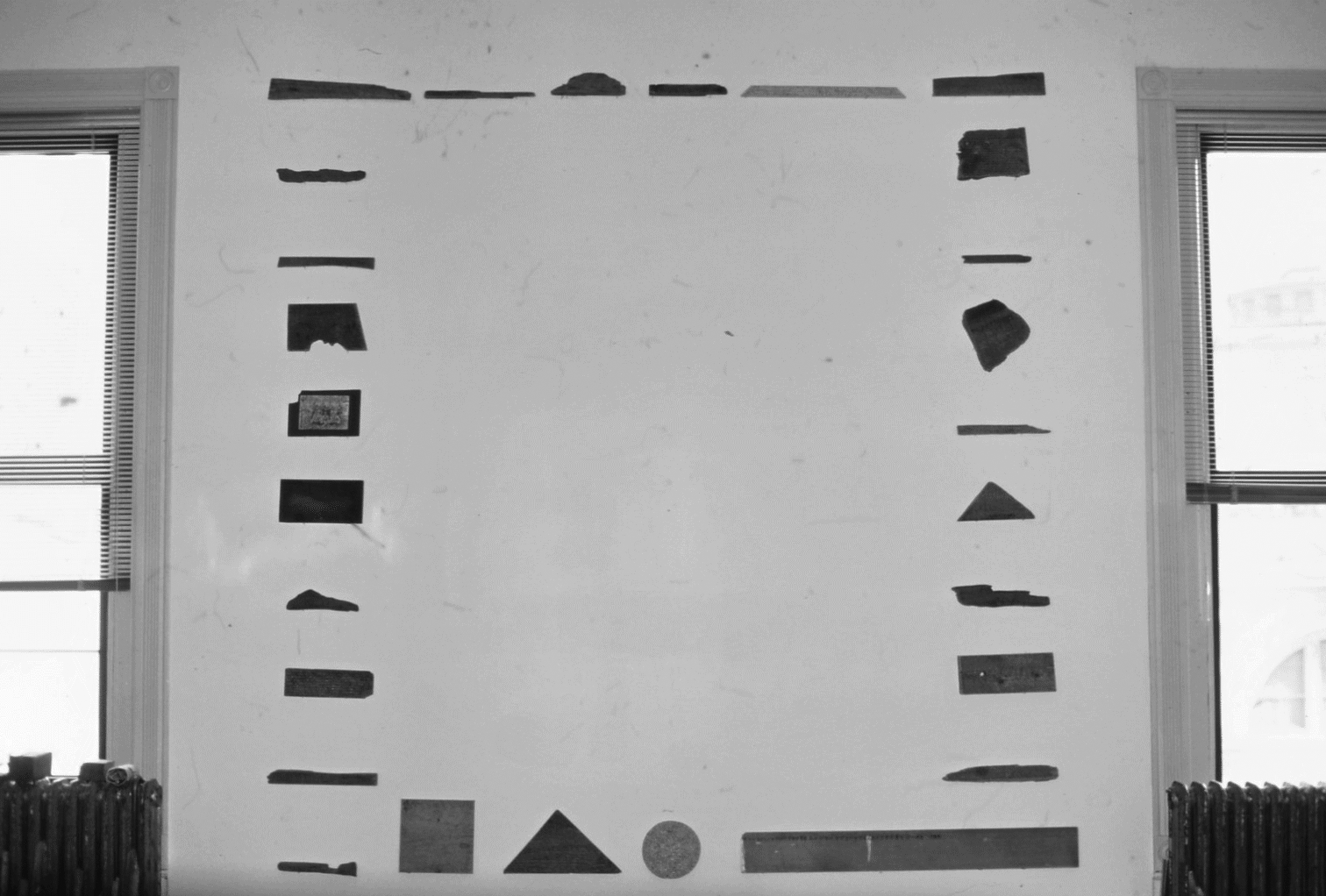
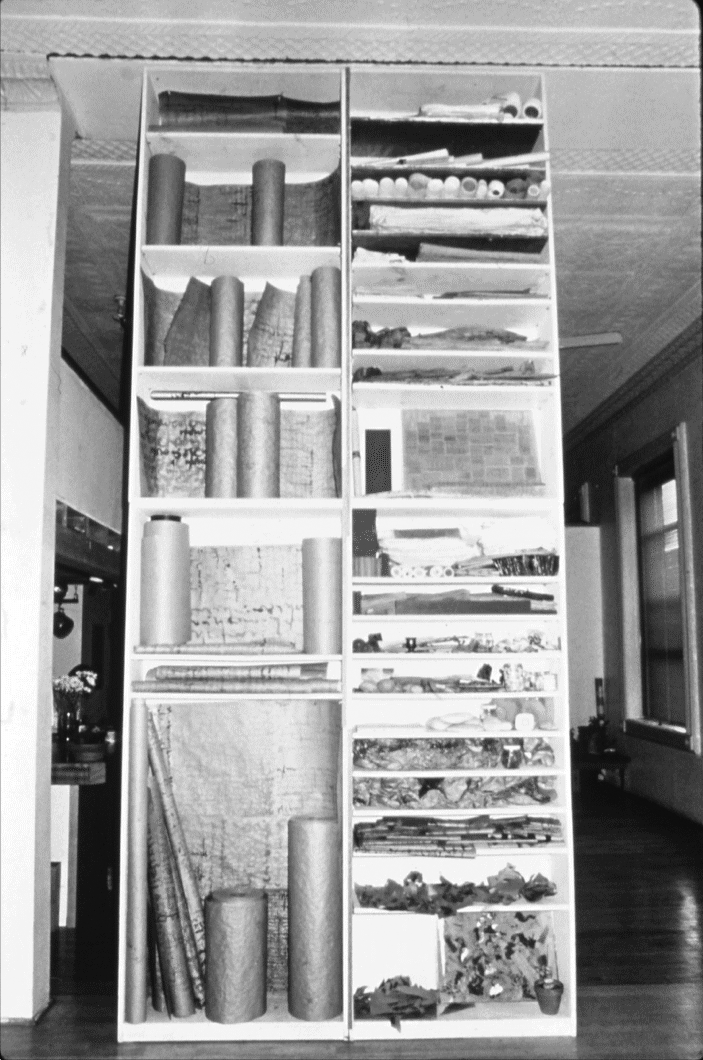
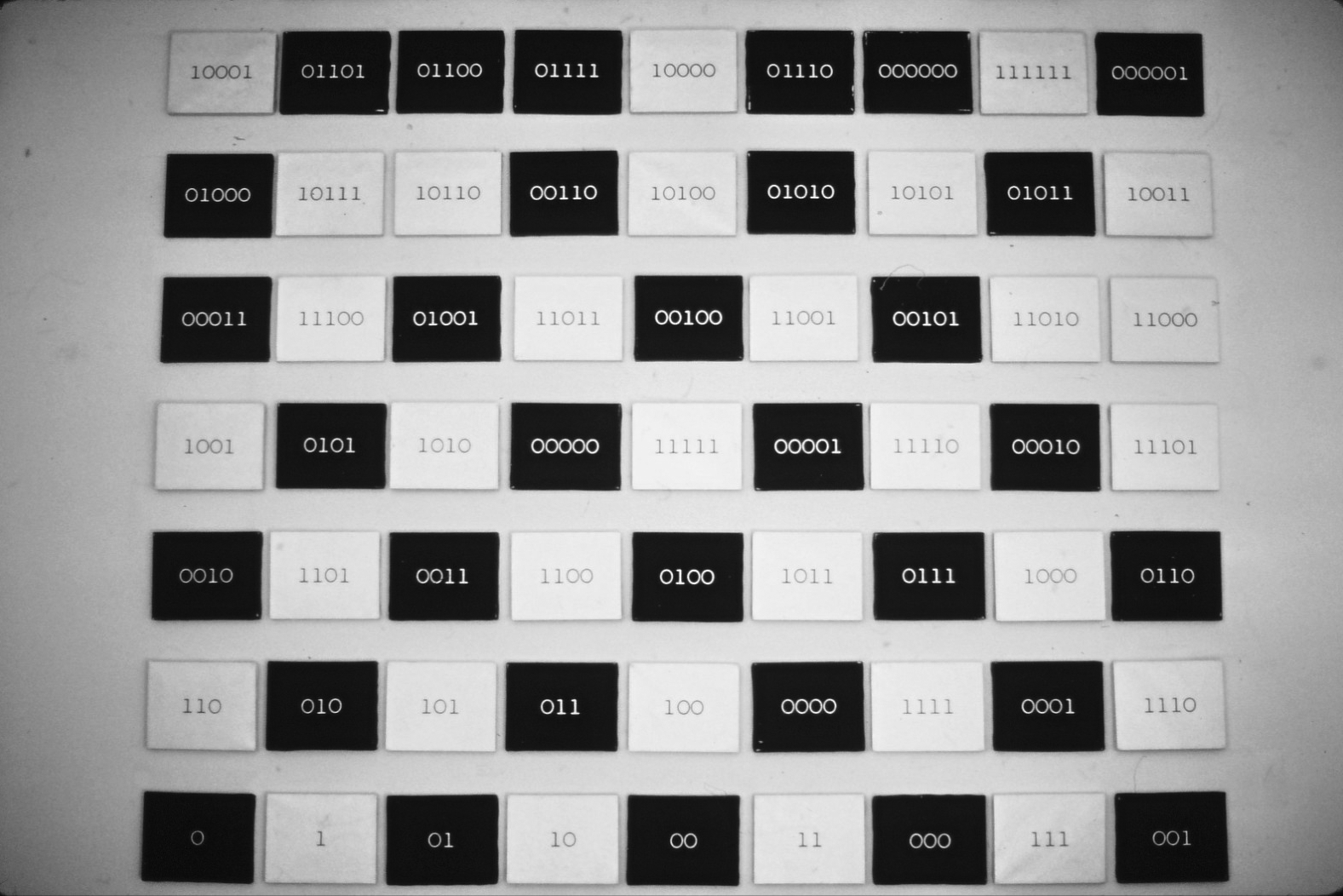
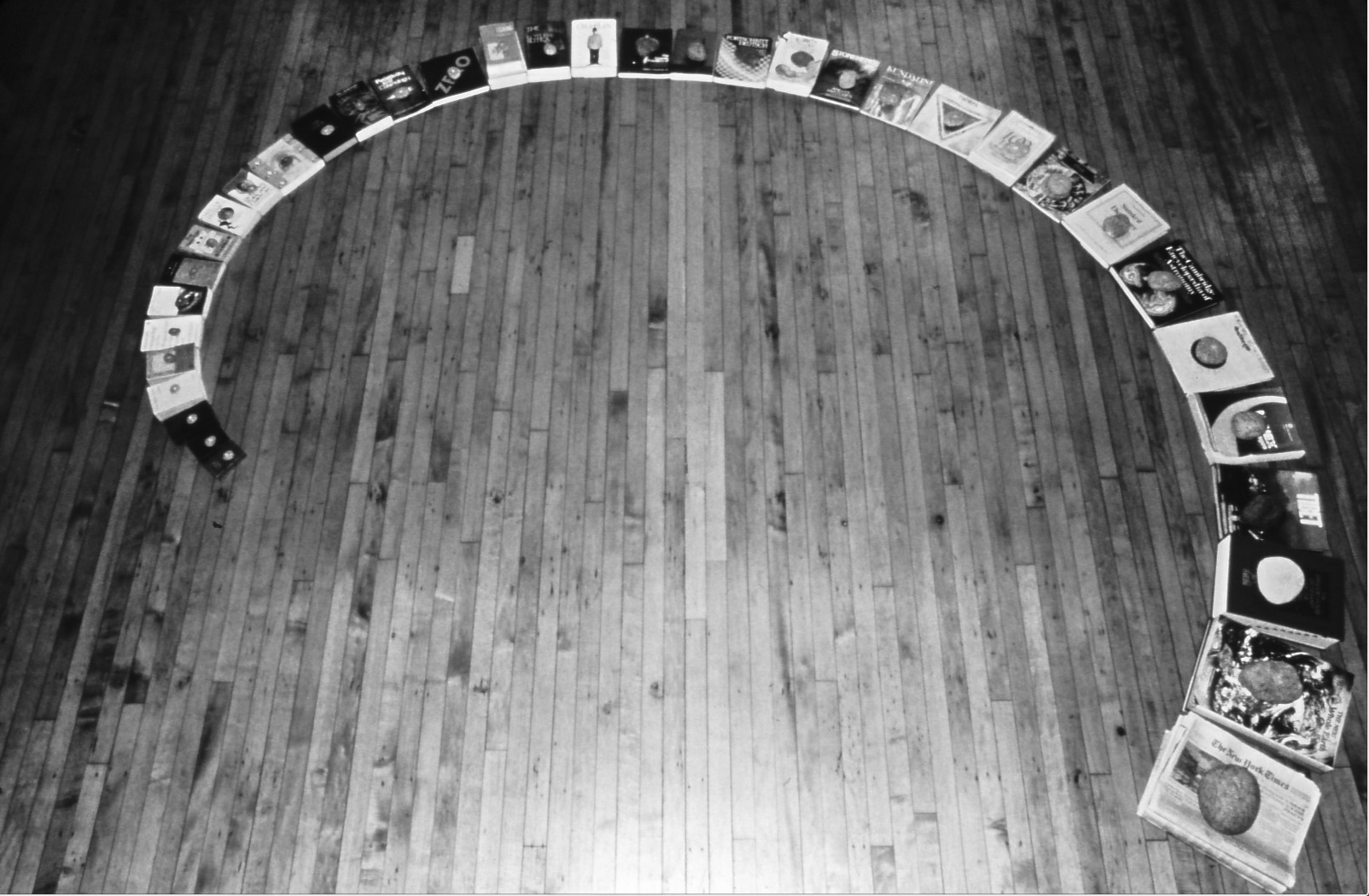
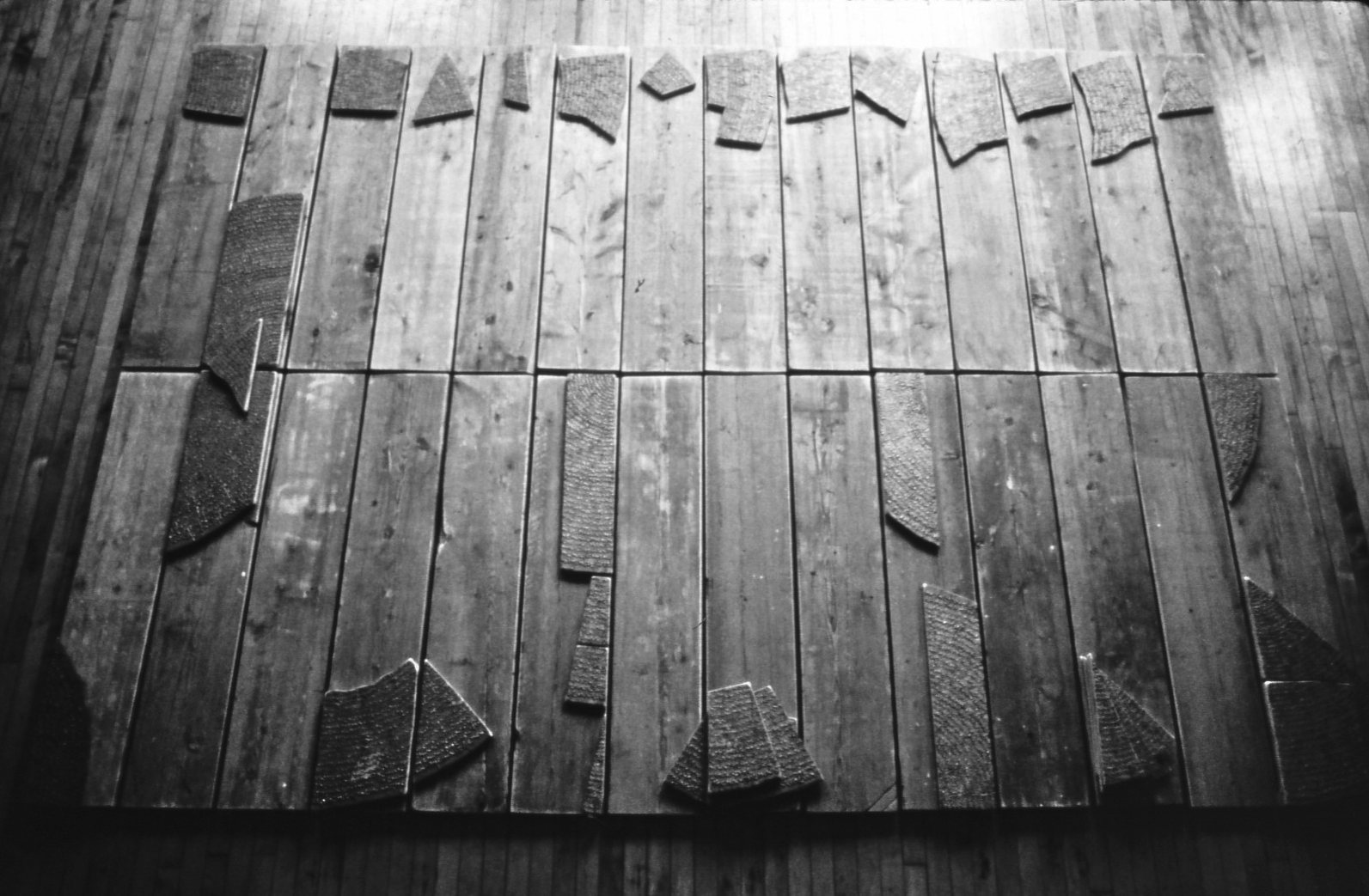
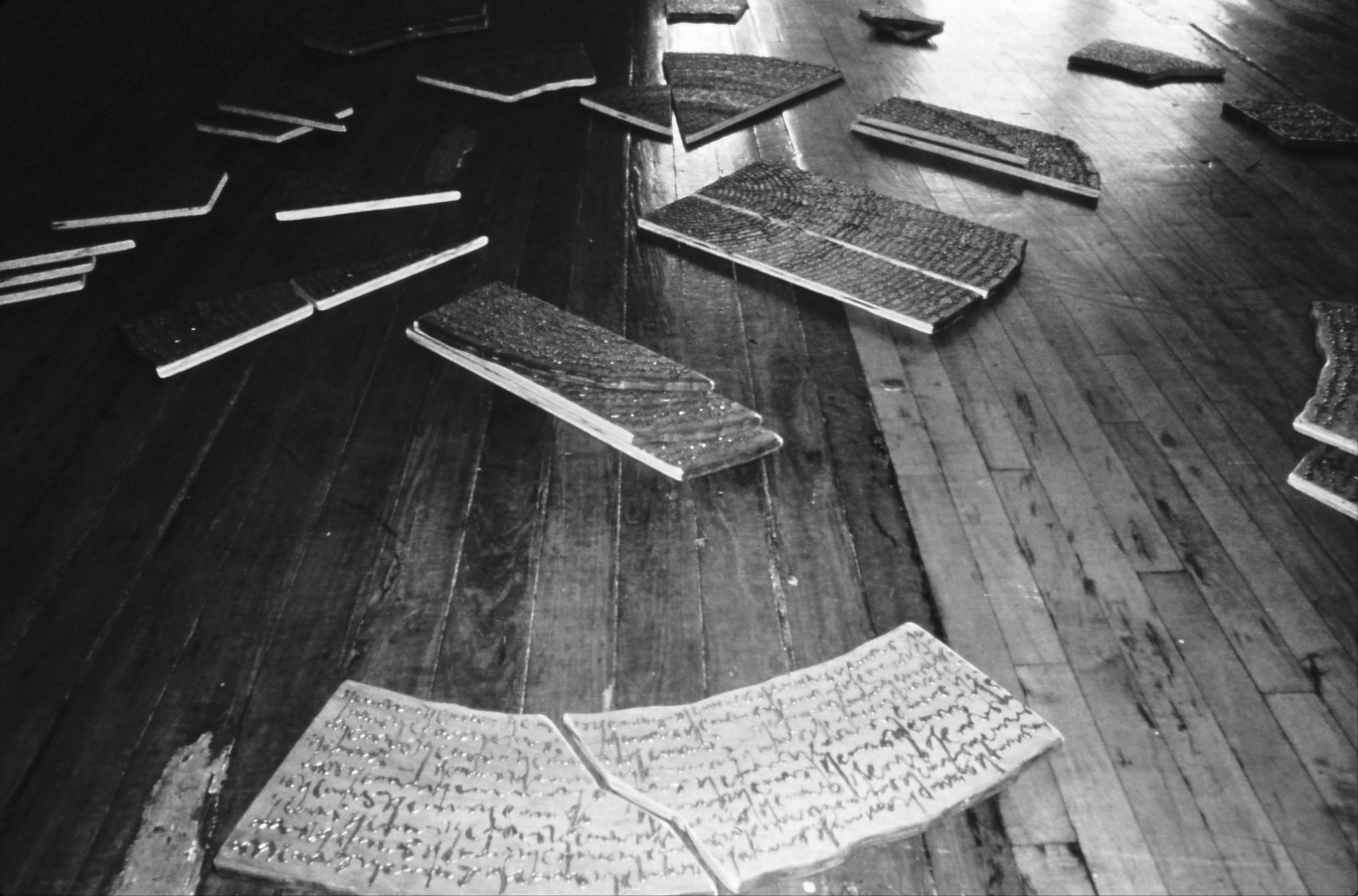
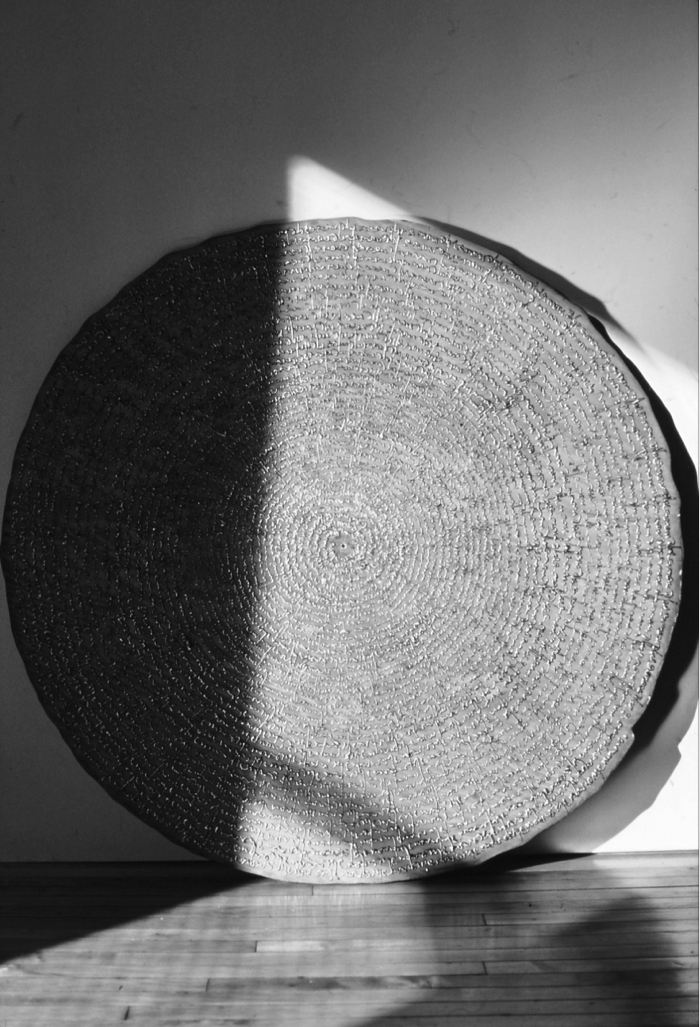
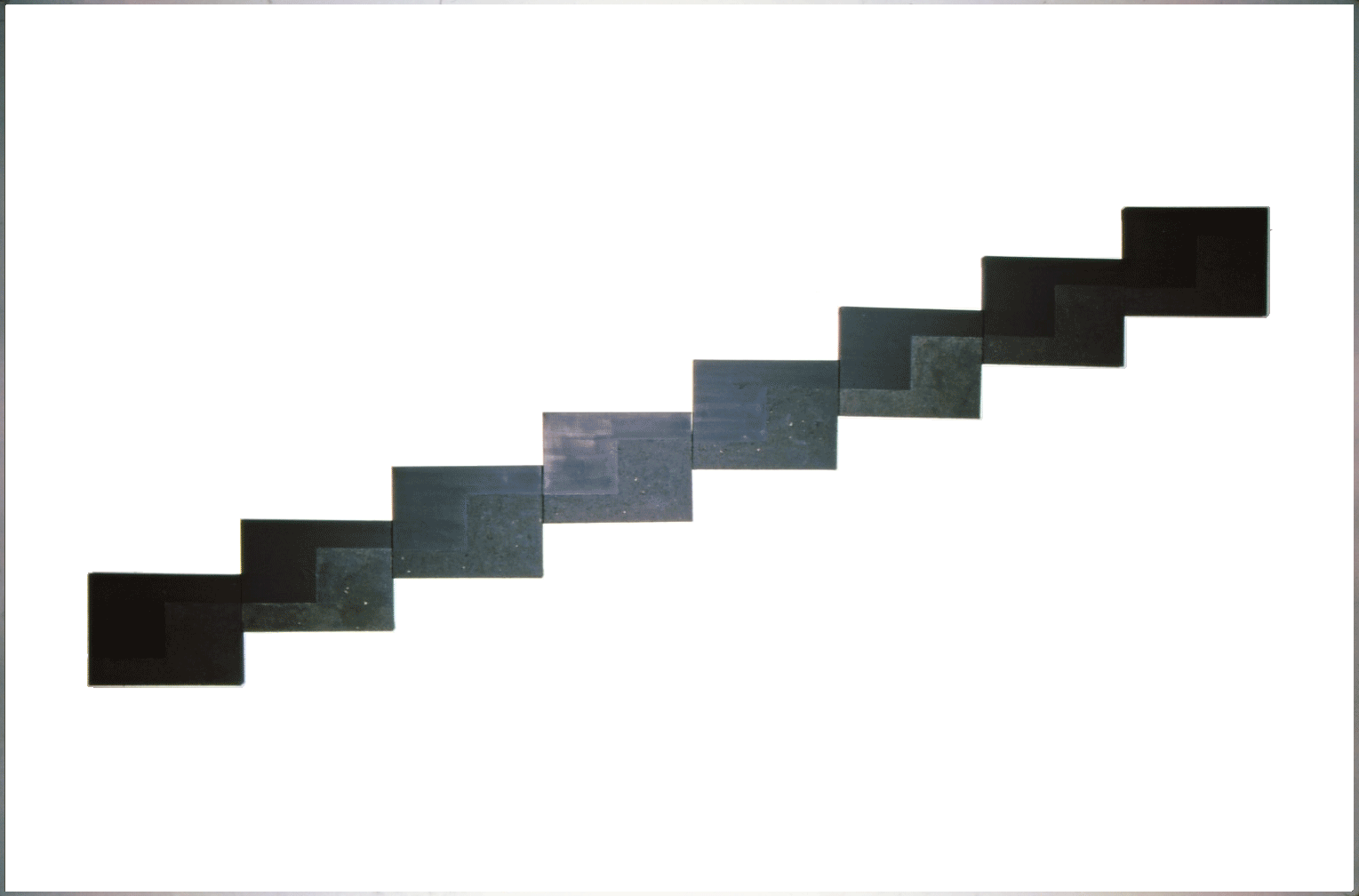
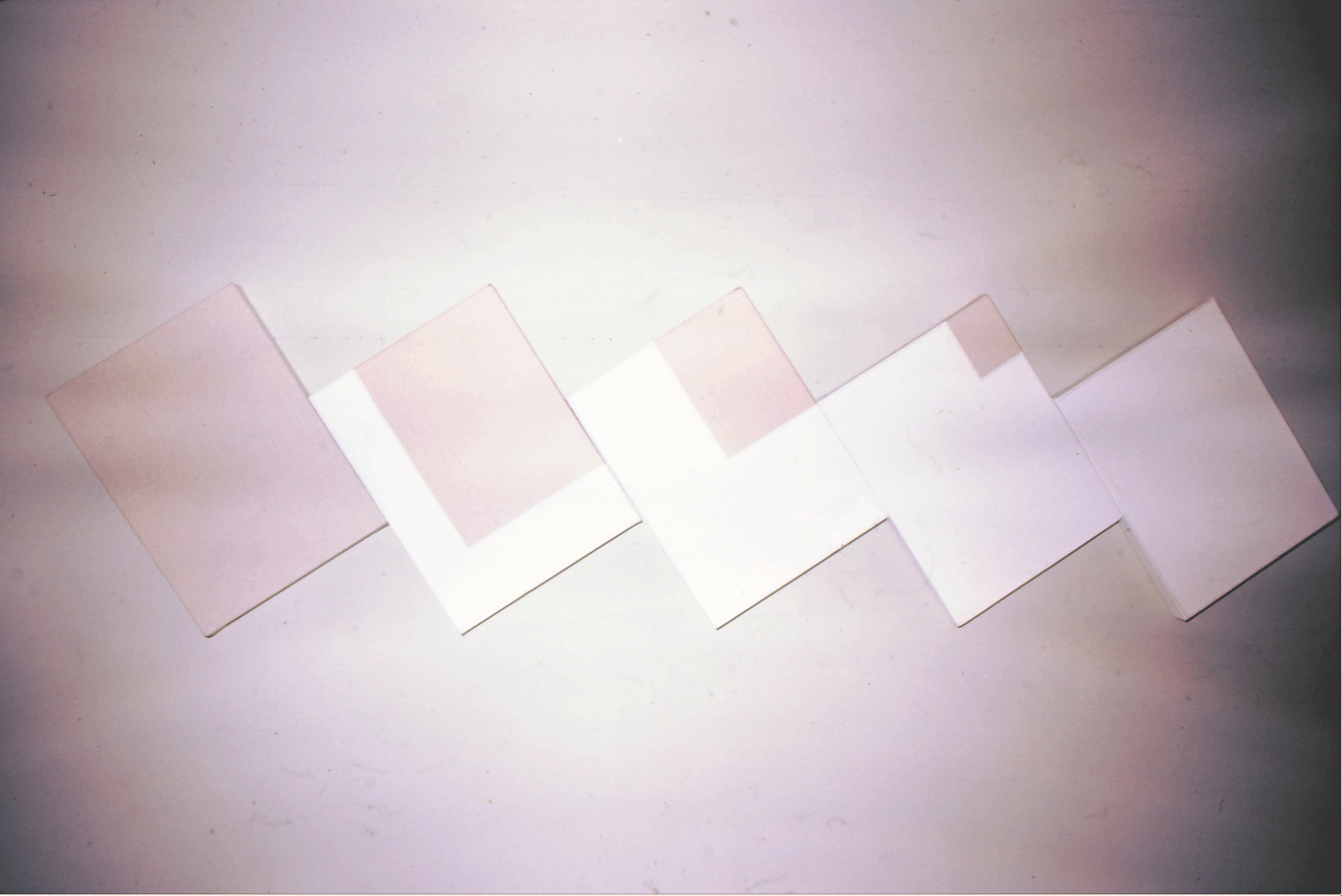
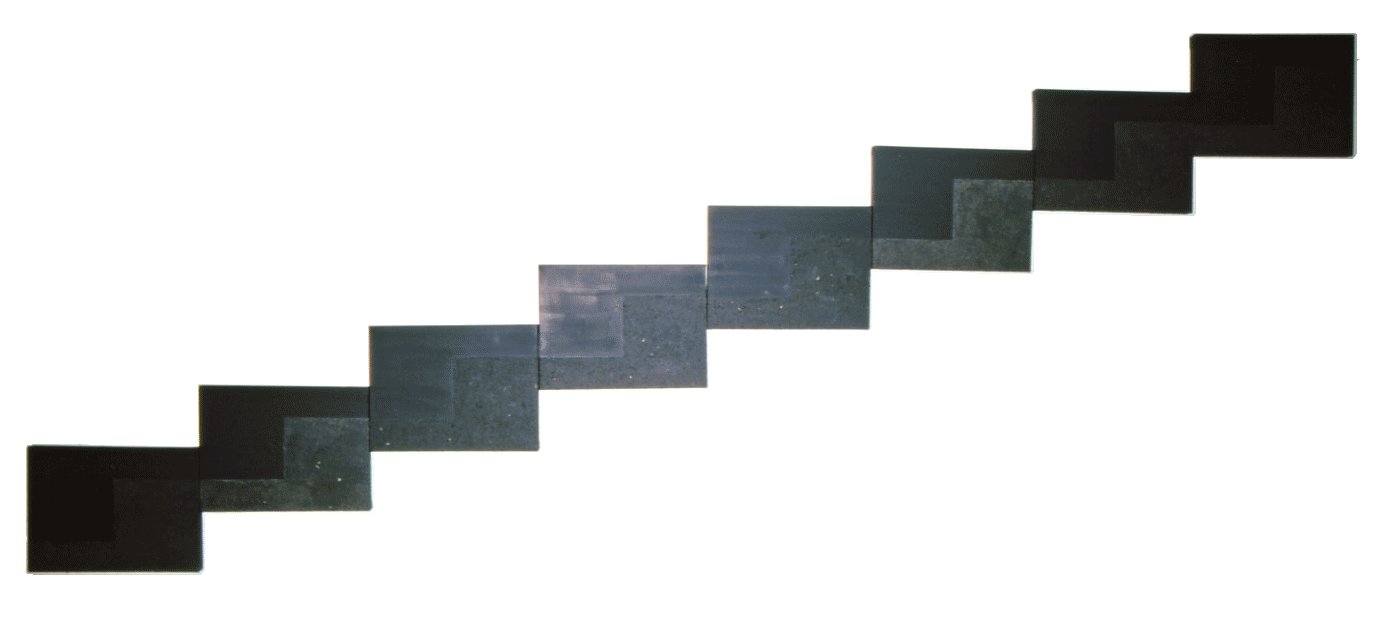
Kariya's signature work "the now is" sutra on various objects; shredded page of Bible+Quran+Heart Sutra+NYT, World Atlas, post cards, old snap photos, portfolios, portrait photos, missing child milk crates, memos, drawings, card boards, chicken bones, pork bones, ox bones, receipts, stickers, sea shells, stones, Hudson drifted wood, construction debris, sheet rocks, craft papers, shopping bags, paper bags, duct tapes, sheets, cloths, anonymous photos, found woods, picture frames, napkins, trashed memos, plastics, old records, record tapes, rices, beans, seeds, dried bread, pasta, and others. Exit Art, 1989, ICA Phil, 1990.
 |  |
|---|---|
 |  |
 |  |
 |  |
 |  |
 |  |
359 Canal Studio, 1978, former studio of Nam Jun Paik, Ay-O, the place FLUXUS was performed. Dick Higgins studio was downstairs. Landloard was by Trump management. More

Transparent Mask Library
Multi Media Project Rendering: SOL3FC1105912

| ARCHETYPE | Mizuma+Kips NY Installation |
3/4-4/5/2020

FACE OFF, NY Times Magazine Article p83, 10/1999

John Baldesari
Ed Ruscha
Howardena Pindell
Vito Acconci
David Wajnarowvicz
Mike & Doug Starn
Damien Hirst
Claes Oldenburg
Joan Mitchell
Andy Warhol
Annette Lemieux
Rosemarie Trockel
Laurie Anderson
Larry Rivers
David Hammons
Elizabeth Peyton
Lorna Simpson
Erté
John Curin
Elaine de Kooning
Peter Halley
Futura 2000
Nan Goldin
Robert De Niro Sr

FACE OFF, NYT Mag p84, 10/1999

FACE OFF, NYT Article 2018

CATTELAN BANANA BANNER
ImageOff Sequence, 4/23/2017, NYT ST6, Vinyl Banner, 4'x6'

ICA Phil, 1990